

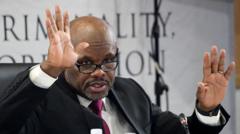
A high-ranking law enforcement official in South Africa is currently facing serious legal trouble following grave accusations of sexual misconduct. The case has drawn immediate concern from government and law enforcement officials, focusing intense public scrutiny toward the upper echelons of the country’s police force. As details continue to emerge regarding the Shadrack Sibiya charges, legal experts and civil rights organizations are weighing in on the broader implications for the nation’s criminal justice system. The unfolding situation has placed immense pressure on institutional oversight bodies to demonstrate impartiality and rigor in handling high-profile criminal matters involving senior state actors.
The Allegations Against Shadrack Sibiya
The investigation centers on serious claims involving two separate victims. According to the original report, the official is accused of grooming a minor who was 16 years old at the time. Additionally, he faces a separate allegation of raping an 18-year-old. These accusations have prompted calls for a transparent investigation. Investigative journalists and legal observers note that the complexity of these multi-jurisdictional allegations requires meticulous evidence gathering, forensic examination, and witness protection protocols to ensure the integrity of the impending trial.
Further background on the department’s internal disciplinary procedures reveals that standard protocol dictates administrative suspension pending the outcome of criminal proceedings. However, analysts point out that bureaucratic delays in executing such measures often spark public frustration. The specific nature of the Shadrack Sibiya charges demands unprecedented administrative transparency to reassure both local communities and international partners monitoring South Africa’s governance standards.
Lack of Public Comment from the Accused
As the legal proceedings begin to unfold, the high-profile policeman has yet to issue any public statements or responses addressing the allegations. Legal representation has not yet provided a formal defense in the media, leaving the public and press waiting for his side of the story to be presented in court. Observers of South African criminal law emphasize that defendants retain the constitutional right to presumption of innocence until proven guilty in a court of law, making pre-trial commentary legally sensitive for both defense attorneys and state prosecutors alike.
Defense strategies in comparable high-profile cases typically involve challenging procedural technicalities or questioning the timeline of reported events. Legal analysts anticipate that once formal pre-trial hearings commence, the defense will likely contest the admissibility of certain pieces of evidence, setting the stage for a protracted and heavily contested courtroom battle.
Impact on Public Trust and Law Enforcement
Incidents involving law enforcement leaders accused of criminal behavior severely test public confidence in institutions meant to protect citizens. Civil society groups and legal advocates are closely monitoring the case to ensure that the investigation proceeds without interference, maintaining accountability regardless of the suspect’s rank or status. Community policing forums across various provinces have expressed anxiety that such scandals may widen the existing trust deficit between marginalized populations and the armed wings of the state.
Restoring institutional credibility often requires systemic reforms extending well beyond individual disciplinary actions. Independent oversight bodies, such as the Independent Police Investigative Directorate (IPID), are expected to play a crucial role in maintaining public faith by demonstrating complete autonomy from political interference throughout the judicial process.
The coming weeks will likely bring further developments as the case moves through the South African judicial system. SparkNest will continue to follow this developing story closely as more official details emerge, providing updates on court dates, legal filings, and institutional responses.
Related reading:
- South Korean Police Officer Falsely Closed Missing Persons Cases to Shirk Duties
- UK Charges Rwanda Genocide Suspect Over Historical Atrocities
- UK Authorities File Historic First Charges Linked to the 1994 Rwanda Genocide
