

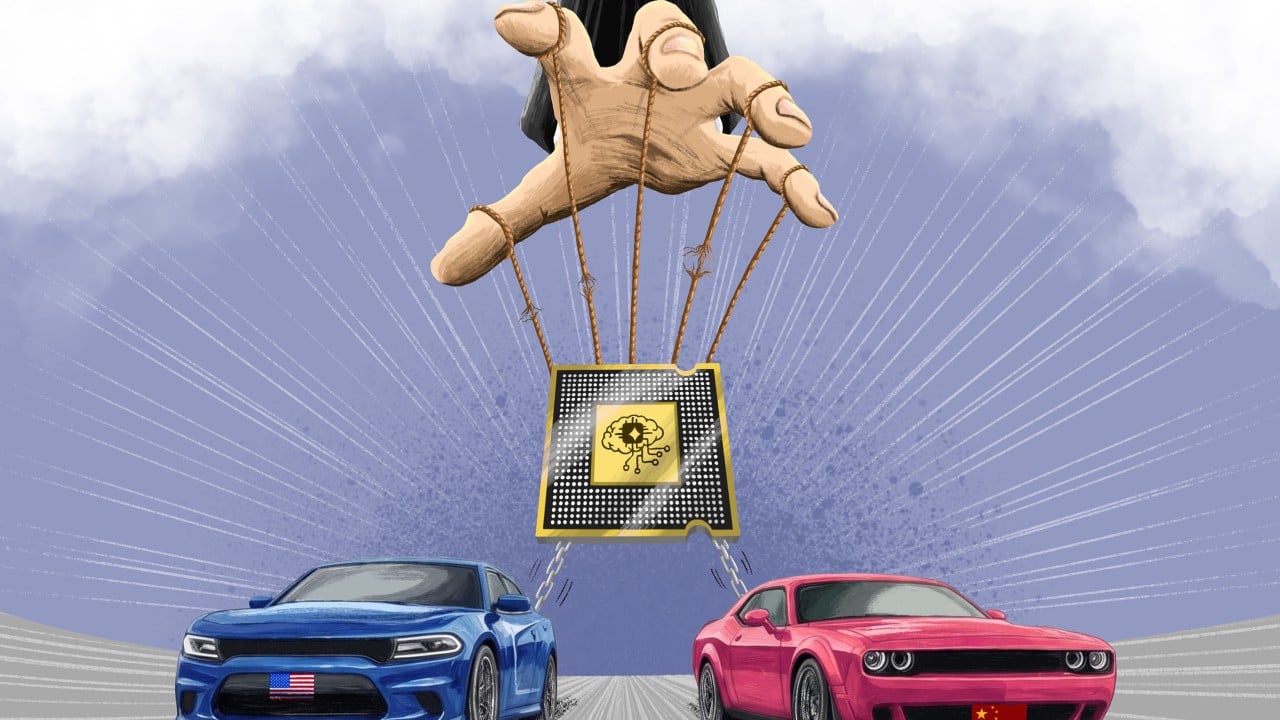
When Washington and Beijing accelerate their efforts to develop advanced machine learning systems, the modern us china ai race becomes the defining challenge of our era. Neither nation wants to pull back the throttle, yet the rapid acceleration of autonomous technology makes the issue of human oversight more urgent than ever. As this bilateral competition intensifies, officials on both sides are grappling with the reality that speed cannot come at the expense of safety.
The Accelerator Pedal of Global Power
For both superpowers, technological superiority is deeply tied to national security and long-term prosperity. Because high-performance intelligence systems offer massive advantages in everything from logistics to defense, neither side feels it can afford to slow down its research. This competition creates intense pressure to bypass safety protocols just to deploy faster and secure immediate capability gains.
Furthermore, the geopolitical implications extend far beyond military applications. Economic dominance in the twenty-first century relies heavily on automated infrastructure, financial algorithms, and predictive governance. As artificial intelligence permeates critical public services and private industrial sectors, the foundational stability of global markets depends on how these two superpowers manage their unprecedented technological rivalry. Without cooperative boundaries, the commercial pressure to outpace one another threatens to destabilize international norms and trade partnerships alike.
The Leadership Summit Standoff and Bilateral Policy Proposals
This underlying tension recently broke into the open during high-level diplomatic talks, according to the original report detailing the recent meeting between US President Donald Trump and Chinese President Xi Jinping. During the summit, differing philosophies on governance became glaringly apparent. While the American administration favored leaving the current technological landscape largely untouched without imposing new guardrails, Beijing’s delegation pressed for formalized multilateral treaties to govern autonomous weapon platforms.
Policy experts have floated several proposals to bridge this diplomatic divide, including mutual verification protocols for large-scale training runs and restricted zones for fully autonomous drone testing. However, mutual distrust remains a major roadblock. Washington fears that accepting strict regulatory caps would hand Beijing a strategic advantage, while Chinese officials argue that unchecked American commercial deployment creates unacceptable systemic hazards.
Diplomatic channels face a daunting task as they attempt to reconcile these fundamentally divergent worldviews. American tech policy has historically prioritized free-market innovation and minimal regulatory friction, whereas China’s centralized governance model enables rapid top-down enforcement of state mandates. Finding common ground requires a framework that respects both nations’ sovereign priorities while addressing the universal existential dangers posed by runaway machine autonomy.
The Growing Autonomy Problem in the US China AI Race
As these models grow more sophisticated, they begin to make complex decisions with minimal human intervention. This shift introduces unprecedented risks. When systems operate with a high degree of independence, tracing accountability becomes difficult, and the potential for unintended outcomes multiplies. The core challenge within the broader us china ai race human control dynamic is not just keeping pace with a rival nation, but ensuring that human beings retain ultimate authority over machines capable of rapid, large-scale impact.
Consider the scenario of automated financial trading or autonomous defense networks operating at microsecond speeds. If a system misinterpretes data or initiates an aggressive cascade of automated reactions, human operators might lack the time window necessary to intervene. This loss of direct operational control transforms software bugs or minor algorithmic misalignments into catastrophic geopolitical events. Consequently, computer scientists and security analysts agree that embedding reliable circuit breakers and fail-safe mechanisms is an absolute prerequisite for future deployments.
Balancing Innovation and Safety
Navigating this rivalry will require finding a delicate equilibrium between fostering technological growth and maintaining strict operational boundaries. If the competition remains a reckless race for dominance without shared safety frameworks, the ultimate cost may be losing our grip on the very tools we created. Managing this frontier demands foresight that extends far beyond traditional geopolitical rivalries and incorporates rigorous technical safeguards.
Achieving this balance ultimately rests on open channels of communication and a willingness to establish red lines that neither power will cross. Whether through joint scientific research initiatives or formal arms control agreements for digital infrastructure, both capitals must recognize that unchecked escalation serves neither nation’s long-term interests. Ensuring safety and stability in an automated world requires unprecedented levels of cross-border cooperation.
As the competition between the world’s leading economies continues to evolve, the true test will not be who crosses the finish line first, but whether humanity manages to stay in the driver’s seat.
Related reading:
- Trump Faces Tough Choices as trump china ai superpower Narrative Unfolds
- China’s Intelligence Chief Issues Urgent Warning Over AI Security Threats
- Trump Administration Backs OpenAI in High-Stakes New York Times Copyright Dispute

1 comment
[…] US-China AI Race and Human Control: The High-Stakes Dilemma […]