

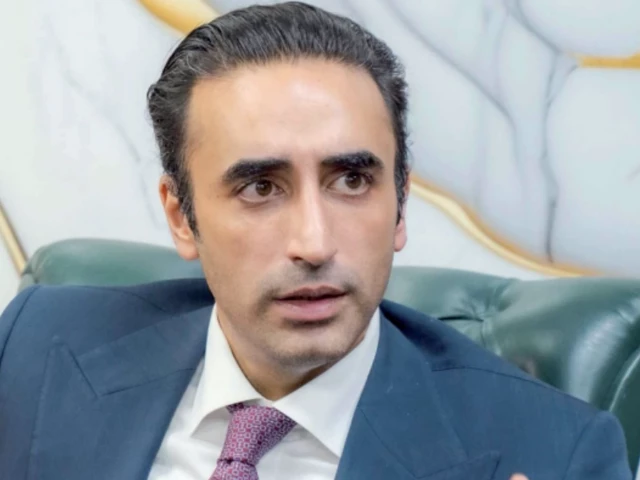
Bilawal Bhutto Zardari and other leaders welcomed recent political talks, emphasizing the urgent need for domestic unity amid discussions between the government and the opposition. In recent statements, political figures have highlighted that rising security challenges require the country to set aside partisan divisions and focus on collective stability, especially amid ongoing friction between the Pakistan Muslim League-Nawaz (PML-N) administration and Pakistan Tehreek-e-Insaf (PTI) leaders.
A Call for Unity Against Security Threats
Addressing the ongoing political friction, leaders pointed out that the nation faces severe security hurdles that demand immediate, undivided attention. Reports indicate that ongoing violence represents a fundamental threat to the stability and safety of the entire population, leaving little room for prolonged civil unrest or gridlock.
Security analysts have repeatedly warned that internal political polarization creates vulnerabilities that hostile elements can exploit. In response, key political stakeholders have begun recognizing the necessity of lowering political temperatures. The friction between the federal government and opposition groups has historically stalled crucial legislative reforms, making dialogue an essential mechanism for steering the country back toward a constructive path.
Furthermore, political strategists emphasize that sustained communication can mitigate the risk of violent escalations. In an era where regional stability is fragile, domestic consensus remains a paramount priority. Lawmakers from various factions are increasingly acknowledging that public confidence is eroded every time political gridlock halts essential administrative functions.
Hopes for an Unconditional End to Protests
The dialogue between rival political factions is being viewed as a crucial step toward de-escalating tensions on the streets, particularly surrounding the contentious long-march demonstrations called by opposition groups. Observers note that wrapping up these protests without preconditions could help restore public order and allow state institutions to focus entirely on pressing economic and security matters.
Additionally, civil society organizations and international partners have expressed relief at the opening of communication channels. Past rounds of protests frequently resulted in widespread disruptions, economic losses, and clashes with law enforcement agencies. Finding a negotiated settlement offers a viable alternative to endless confrontation, ensuring that citizens can resume their daily routines without the constant threat of blockades and transport suspensions.
As these developments unfold, community leaders continue to advocate for peaceful assemblies that respect public infrastructure. The ongoing Bilawal government opposition talks serve as a testament to the fact that political actors can negotiate constructively when external pressures mount. Public stakeholders remain hopeful that this diplomatic momentum will translate into long-term legislative cooperation rather than temporary appeasement.
Prioritizing National Interest Over Partisan Goals in Bilawal Government Opposition Talks
As discussions continue behind closed doors, pressure is mounting on all sides to compromise for the greater good. Supporters of the reconciliation efforts argue that sustainable governance relies heavily on open communication channels between political adversaries, especially during periods of national vulnerability.
Economic stability remains closely tied to political calm. Foreign investors and domestic business communities have consistently cited political uncertainty as a primary deterrent to growth. By engaging in constructive dialogue, political leaders can send a strong signal that the state is capable of managing its internal disputes maturely. Ultimately, the success of these ongoing negotiations will depend heavily on the willingness of both the government and opposition groups to prioritize long-term national security over short-term political gains, paving the way for a more stable and unified political landscape.
Moreover, economists point out that uninterrupted commercial activity is vital for curbing inflation and stabilizing currency reserves. When political actors commit to conflict resolution, markets respond with increased confidence. Analysts expect that subsequent legislative sessions will address critical financial reforms that have languished due to polarization, further reinforcing the positive outcomes generated by current diplomatic efforts.
Related reading:
- Pakistan Government and Opposition Open Dialogue Ahead of PTI Oct 4 protest Islamabad talks
- Pakistan Government Talks With Opposition Amid Political Tensions
- Pakistan Government and Conclude Initial PTI Islamabad march talks
