

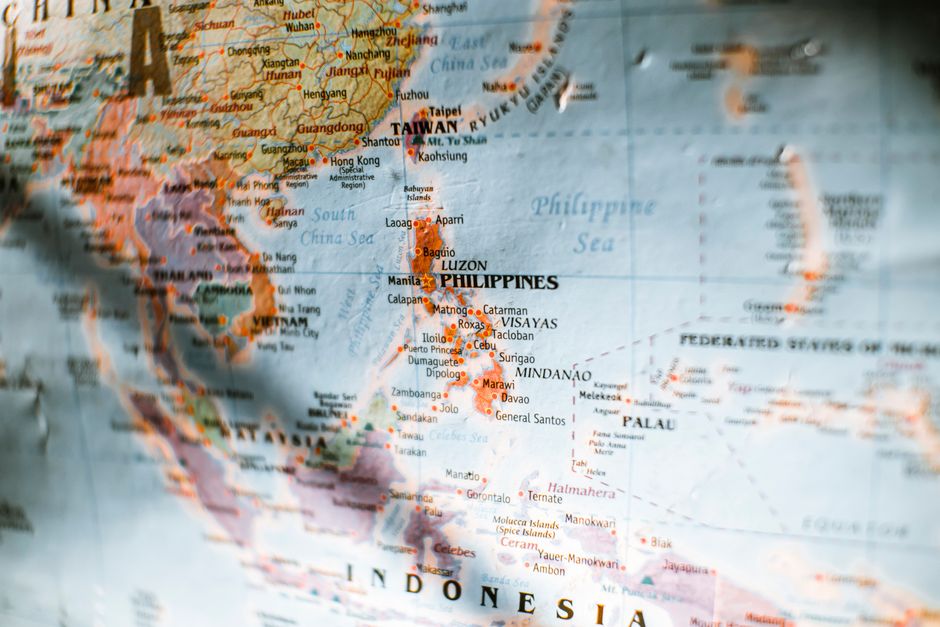
To protect their vital internet infrastructure, the Philippines and Taiwan are moving toward closer cooperation. Both governments have faced mounting concerns over regional stability, particularly regarding activities that fall just short of direct military conflict. Securing these physical internet pathways has quickly become a top national security concern as discussions regarding the security of Philippines Taiwan undersea cables take center stage.
Growing Regional Pressures
Both Manila and Taipei share a common strategic anxiety regarding continuous pressure campaigns from Beijing. Officials in both territories have repeatedly pointed to provocative maneuvers and subtle disruptions designed to test regional defenses without triggering a full-scale crisis. These gray-zone tactics have highlighted vulnerabilities in critical infrastructure, prompting both governments to look for collaborative solutions to deter sabotage and maintain reliable communication lines across the region.
The Vulnerability of Undersea Communications
Undersea fiber-optic cables are the invisible backbone of global communication, carrying the vast majority of international internet traffic, financial data, and diplomatic messages. Because these lines rest on the ocean floor, they are inherently exposed to accidental damage from fishing and shipping, as well as deliberate interference. Historical incidents around the region, such as frequent anchor drags and mysterious outages near regional choke points, have historically demonstrated how fragile these multi-terabit pathways can be. Specific cable routes connecting Luzon to northern hubs traverse narrow straits where foreign vessel activity is dense and heavily monitored, adding physical risk to digital connectivity. According to the original report, the shared threat environment has made joint monitoring and rapid-response repair strategies an urgent topic of conversation between the neighboring democratic partners.
Protecting Philippines Taiwan undersea cables in a Volatile Region
While formal diplomatic arrangements in the region remain delicate due to geopolitical sensitivities, practical cooperation on technical security is gaining momentum. Law enforcement and maritime agencies from both sides are exploring intelligence-sharing mechanisms and enhanced patrol protocols around high-risk cable corridors. By pooling resources and expertise, the Philippines and Taiwan hope to create a more resilient network that can withstand targeted interference and ensure uninterrupted digital connectivity for their citizens.
As these strategic discussions continue, the partnership underscores how smaller nations in the region are adapting to evolving geopolitical pressures through pragmatic alliances. Protecting the physical channels of the internet is no longer just a technical challenge, but a fundamental pillar of modern sovereignty and regional security.
Related reading:
- Inside the Makkah Joint Defence Pact: Makkah defence agreement text Revealed
- Putin proposes Trump Xi summit to Discuss Ukraine Conflict
- Beijing Warns Manila of Defeat Amid Rising South China Sea China Philippines confrontation Tensions
