

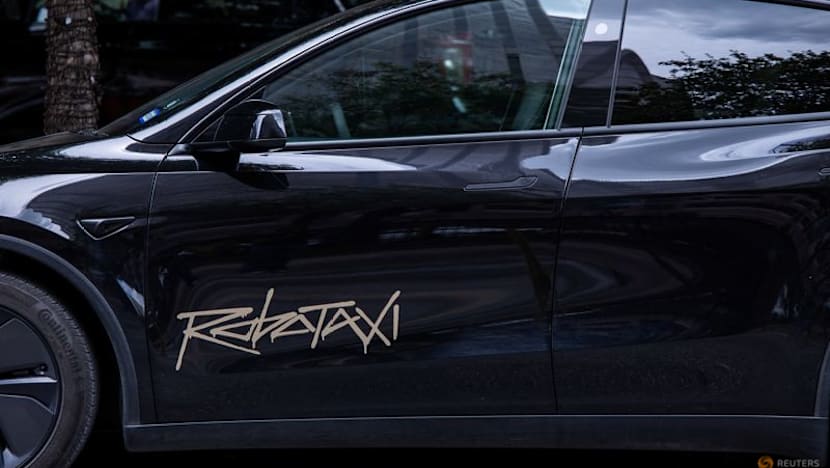
Tesla is moving forward with ambitious plans to bring its autonomous vehicle vision to the public. Despite facing a federal investigation, the company has set its sights on offering its specialized autonomous vehicles to buyers within the near future, marking a major step forward for autonomous vehicles. As anticipation builds around the upcoming Tesla Cybercab robotaxi release, industry analysts are closely evaluating how this milestone will impact the broader transportation sector.
An Ambitious Timeline for Autonomous Transport
The push to commercialize driverless technology has been a core focus for the electric vehicle manufacturer. Industry watchers and consumers alike have been tracking the development of the company’s dedicated autonomous fleet closely, especially as management targets a late-year rollout for sales. This aggressive timeline underscores the firm’s determination to dominate the emerging robotaxi market.
Developing a fully autonomous fleet requires overcoming immense engineering, software, and logistical challenges. Tesla’s approach relies heavily on neural networks and artificial intelligence, moving away from traditional lidar-based systems used by many competitors. This strategy allows for rapid scaling, but it also invites intense scrutiny from both the public and regulatory bodies who want absolute assurance that the software can handle edge cases in unpredictable real-world driving environments. The timing of the Tesla Cybercab robotaxi release is crucial for maintaining investor confidence and staying ahead of rival ridesharing networks.
Navigating Federal Oversight
However, the path to widespread deployment is not without hurdles. Regulatory bodies are currently scrutinizing the safety and operational capabilities of the autonomous systems involved. According to the original report, a federal probe is underway regarding the technology, which could impact how quickly these vehicles gain approval for public roadways.
Safety regulators are particularly interested in how the vehicle’s autonomous navigation systems interact with pedestrians, cyclists, and unexpected obstacles in dense urban settings. Compliance with federal motor vehicle safety standards requires exhaustive testing and validation data. While Tesla remains confident in its technological trajectory, navigating these bureaucratic and legal frameworks can often introduce unforeseen delays. Stakeholders are watching to see if federal agencies will grant the necessary permissions in time for the planned commercial debut.
What This Means for the Future of Mobility
If the company manages to meet its targeted timeline, it could fundamentally shift the landscape of personal and commercial transit. The introduction of a dedicated autonomous vehicle designed specifically for ridesharing and private ownership highlights a major pivot toward software-driven services. As regulatory reviews continue, the automotive world waits to see how the clash between rapid technological innovation and federal safety standards will resolve.
Furthermore, the long-term economic implications of widespread autonomous vehicle adoption are profound. Traditional car ownership models could evolve as consumers transition from owning personal vehicles to subscribing to on-demand mobility platforms. Urban planning will also need to adapt, potentially freeing up valuable downtown real estate currently dedicated to parking spaces and multi-story garages. Ultimately, the success or failure of this initiative will set a powerful precedent for the entire automotive and tech industries as they race toward a fully automated future.
As the year progresses, all eyes will be on whether Tesla can successfully navigate its current regulatory challenges and deliver on its promise to put autonomous robotaxis on the market.
Related reading:
- Chinese Automaker Chery Pushes Forward with Chery Solid State Batteries Test
- Martian Moon Dust Mission Launch Heads Toward the Red Planet
- Elon Musk Confirms Special Committees Exploring Potential tesla spaceX merger
