

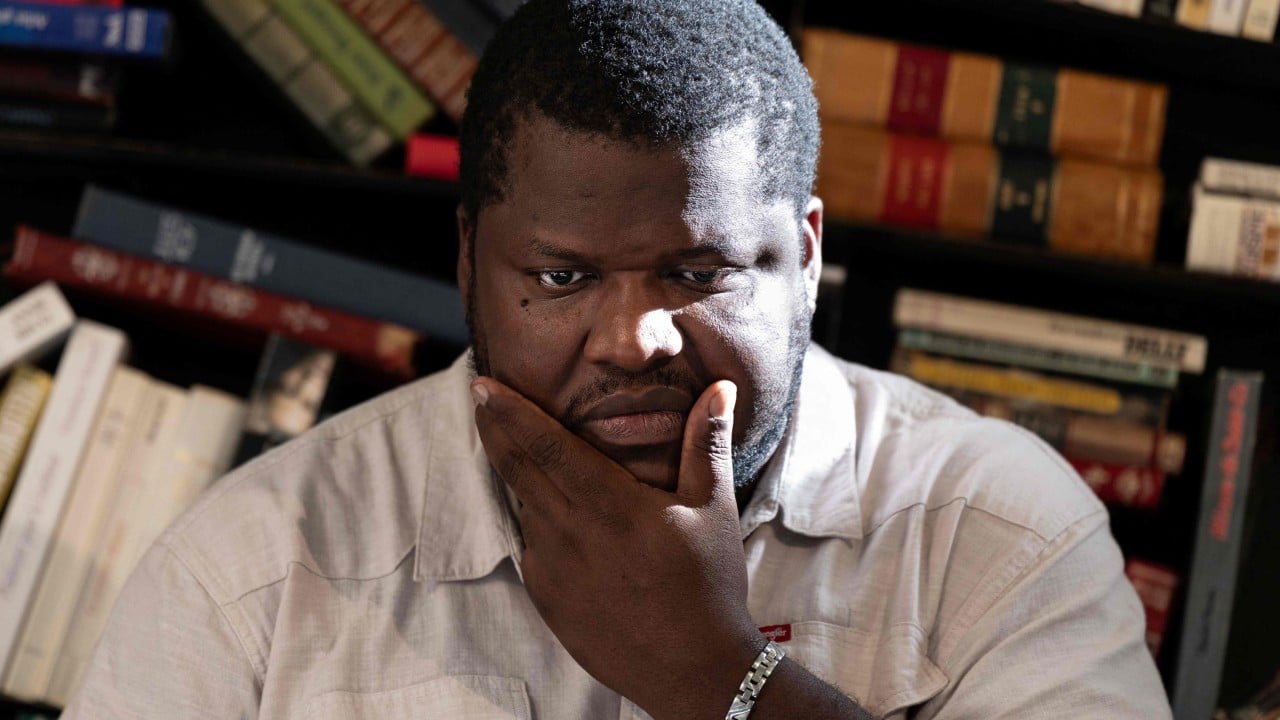
Canadian publishing house Boréal has abruptly severed ties with Haitian-Canadian author Thelyson Orelien, sparking intense debate about the boundaries of artificial intelligence in contemporary literature. This dramatic development centers around the Thelyson Orelien AI novel, It Was Either That or Die, which has forced publishers to confront the complex challenges of transparency and authenticity in the digital age.
The Investigation and Boreal’s Reversal
Canadian publishing house Boréal announced Wednesday that it had officially cut ties with Haitian-Canadian author Thelyson Orelien. The decision came after the publisher concluded that artificial intelligence was utilized in the creation of his recent novel, It Was Either That or Die. The move marks a dramatic shift for the company, which had publicly defended the 38-year-old writer just a week prior against mounting public skepticism, according to the original report.
The controversy first erupted on social media and within Canadian literary circles when sharp-eyed readers and critics pointed out stylistic inconsistencies and structural patterns in It Was Either That or Die that closely mirrored outputs from popular large language models. Reviewers noted sudden shifts in tone, repetitive phrasing, and narrative pacing anomalies that felt uncharacteristic of Orelien’s previously established writing style. As online discussions gained momentum, literary journals and prominent independent authors began calling for an investigation, demanding that Boréal clarify its submission and vetting processes. For several days, the publisher stood by its author, issuing statements that defended the creative integrity of the manuscript and dismissed the online allegations as unfounded speculation. However, internal reviews and consultations with digital forensics experts ultimately forced a complete reversal, culminating in the abrupt cancellation of the book’s distribution and a formal retraction of the publisher’s initial defense.
Denials and New Evidence Surrounding the Thelyson Orelien AI novel
Throughout the initial wave of scrutiny, Orelien steadfastly rejected accusations that he leaned on synthetic text generation for his breakthrough work. However, Boréal officials stated that new evidence emerged and was verified over the course of several days, leaving the publisher with little choice but to revoke its support and reevaluate its stance on the title.
The newly uncovered evidence reportedly included digital metadata traces, early draft files exhibiting characteristic machine-learning generation footprints, and communications that suggested the involvement of automated text tools during the drafting phase. While Orelien maintained that any technological assistance was strictly limited to minor grammar checking and brainstorming prompts, publishing experts argued that the extent of the generated content crossed ethical boundaries. The debate quickly widened beyond a single author, drawing commentary from literary unions, copyright lawyers, and booksellers associations. Many raised urgent questions about whether current author-publisher contracts adequately address the disclosure of generative tools, and whether readers deserve explicit warnings when AI is used to assist in drafting prose intended for traditional publication.
The Broader Impact on Publishing
Publishers across the industry are now racing to set clear rules for artificial intelligence use. As generative writing tools become increasingly sophisticated, publishing houses are racing to establish clear guidelines, ethical standards, and verification methods to ensure that books marketed as purely human-authored meet reader expectations of original artistic expression.
Independent and major publishing houses alike are currently overhauling their standard submission guidelines, with many introducing clauses that explicitly prohibit the use of generative AI in primary manuscript composition or requiring authors to sign declarations attesting to the human-generated origin of their work. Literary agents are also adopting stricter verification protocols, often utilizing specialized detection software before pitching manuscripts to acquisitions editors. This heightened vigilance aims to protect the economic and artistic ecosystem of traditional publishing, where trust between the reader, the author, and the house remains paramount. Furthermore, literary awards committees are beginning to draft formal policies regarding AI usage, signaling that the repercussions of this controversy will be felt across every tier of the literary establishment for years to come.
As the literary world navigates these uncharted waters, the case of It Was Either That or Die serves as a cautionary tale for authors and publishers alike, proving that transparency in the creative process is more critical than ever.
Related reading:
- Kelly Clarkson Brooklyn store bird Dispute Over $15,000 Singing Mechanical Object
- Renowned British Novelist and Former Politician Jeffrey Archer Dies Aged 86
- Stray Kids Follows BTS Footsteps in Skipping the Grammy Awards Over Stray Kids Grammys Asian Pop category
