

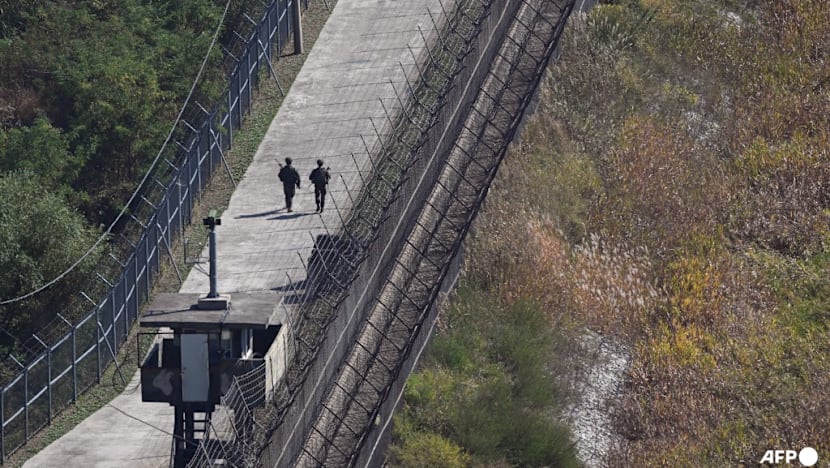
Tensions along the heavily fortified border between the two Koreas have escalated once again following a sharp declaration from Pyongyang. This latest Kim Yo Jong border warning has put regional stability back into the spotlight as inflammatory rhetoric continues to flow across the demilitarized zone, leaving international observers on high alert. Officials in the North have signaled that military measures are actively advancing, creating a volatile atmosphere that threatens to unravel years of fragile diplomatic posture on the peninsula.
A Fierce Warning from Leadership
The latest escalation features prominent statements from Kim Yo Jong, the influential sister of North Korean leader Kim Jong Un. According to the original report, she issued a severe caution stating that North Korean armed forces would enact harsh retaliatory measures against any South Korean personnel or territory should warning fire breach their borders. This aggressive stance underscores the deep-seated animosity that continues to define inter-Korean relations in an era of heightened geopolitical competition.
Reactivation of Border Loudspeakers
Beyond verbal threats, logistical preparations are reportedly well underway near the demarcation line. Pyongyang has indicated that loudspeaker systems directed across the border are being readied for deployment within a matter of days. This psychological warfare strategy revives old cross-border tactics that have historically strained diplomatic relations during periods of high friction.
Historically, the use of border loudspeakers has served as a primary tool for psychological operations, broadcasting propaganda messages, news broadcasts, and criticism of leadership across the military demarcation line. The revival of these systems signals a return to cold war-style tactics that immediately heighten psychological pressure on front-line troops and civilian populations alike. Experts note that such moves rarely remain isolated incidents, often preceding a series of reciprocal escalations from Seoul.
Historical Context of Peninsula Tensions
The Korean Peninsula has remained technically in a state of war since the 1950-1953 conflict ended in an armistice rather than a formal peace treaty. Over the decades, the Demilitarized Zone (DMZ) has transformed into one of the most heavily armed borders in the world, punctuated by periodic flare-ups, naval skirmishes, and artillery exchanges. In recent years, both North and South Korea have struggled to maintain open communication channels, with cross-border hotlines frequently suspended during periods of heightened rhetoric.
The current cycle of hostility builds upon months of incremental escalations, including disputes over trash-carrying balloons sent across the border, military reconnaissance satellite launches, and the suspension of a 2018 military agreement designed to reduce front-line tensions. As diplomatic options narrow, both sides have increasingly relied on public posturing and military demonstrations to assert their deterrence capabilities.
The Broader Regional Impact and International Response
As both nations brace for potential further fallout, international observers are closely monitoring the situation for signs of actual military engagement. The reintroduction of aggressive rhetoric and active preparations at the frontier highlights the fragility of peace on the peninsula, leaving neighboring countries urging restraint from both capitals to prevent any accidental escalation. Regional powers such as China, Russia, Japan, and the United States maintain a vested interest in preventing a localized border clash from spiraling into a broader military conflict.
With military positioning shifting rapidly along the front lines, the coming days will be critical in determining whether this war of words translates into physical conflict or subsides back into a cold stalemate. Diplomatic backchannels, though currently strained, will need to be reactivated swiftly to de-escalate the situation and reestablish communication protocols before miscalculations lead to irreversible consequences.
Related reading:
- North Korea Launches Multiple Ballistic Missiles Toward Sea of Japan Amid Rising Regional Tensions
- North Korea Ballistic Missile Launch Follows Border Landmine Dispute
- Russia Nuclear Warning NATO Baltic: Moscow Warns Western Allies Over Enclave Security Amid Rising Regional Tensions
