

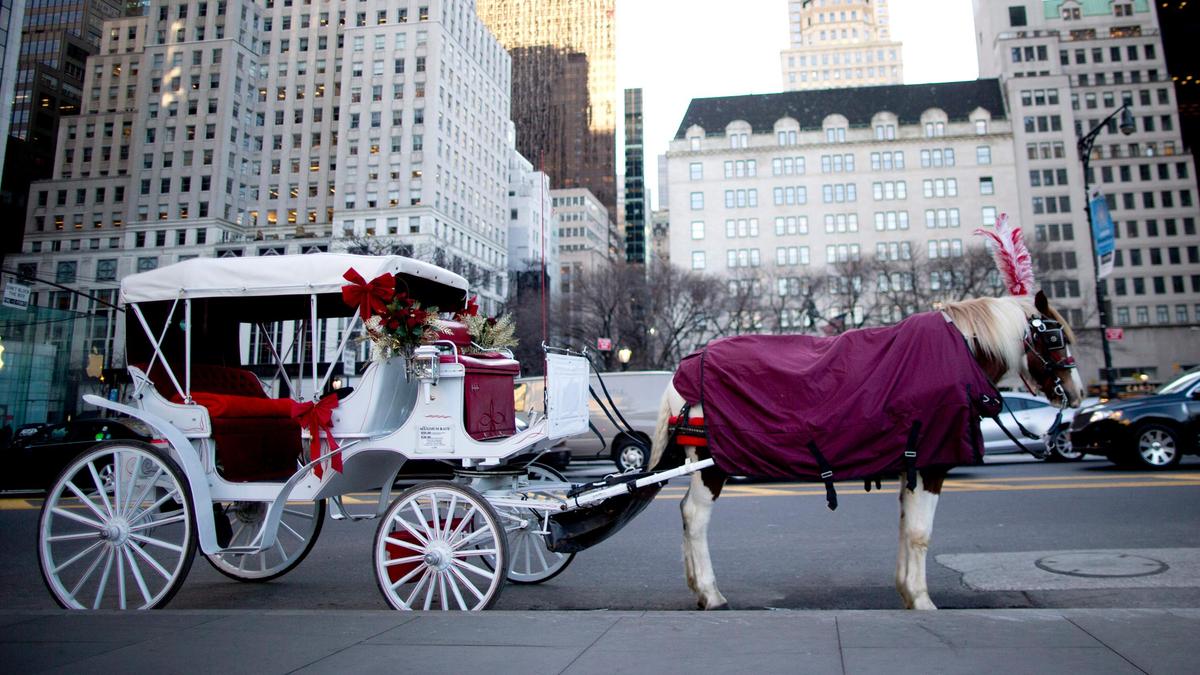
New York City is officially bidding farewell to a centuries-old tradition. The City Council has formally approved a landmark piece of legislation that will completely phase out horse-drawn carriages from the bustling streets of Manhattan and the winding paths of Central Park. The transition brings an end to a divisive practice that has long defined the city’s tourism industry, marking a major change in the city’s approach to animal welfare. This milestone legislative milestone, widely known through the framework of the romanch s law nyc horse carriage ban, represents a monumental shift in how the metropolis handles urban transit and safety.
The Tragic Catalyst Behind the Legislation
Following the tragic death of an international visitor, outrage surged over safety concerns regarding the integration of live animals into modern, heavily congested metropolitan traffic. Activists and lawmakers who had spent years arguing against the practice suddenly found broad public backing to demand definitive action, as detailed further in the original report.
The incident ignited a ferocious debate across local media, city council chambers, and neighborhood associations. For decades, the carriage trade had been defended as an iconic symbol of old New York charm, favored heavily by tourists visiting Central Park. However, animal rights organizations repeatedly documented substandard living conditions for the horses, citing inadequate shelter during extreme summer heatwaves and sub-freezing winter storms. The growing friction between preservationists and animal welfare advocates finally reached a boiling point when municipal leaders could no longer ignore the inherent risks of mixing heavy animal-drawn vehicles with modern automotive traffic.
What Romanch’s Law Entails
Officially designated as Romanch’s Law in memory of the tourist whose death galvanized the movement, the measure sets a strict timeline for the complete eradication of the carriage trade. Rather than an overnight shutdown, the legislation provides a structured transition window, establishing a definitive deadline of June 1, 2028. By this date, all commercial horse-drawn carriages must cease operations entirely across municipal streets and park grounds.
In addition to the operational ban, the legislative package outlines comprehensive support structures for the horses and workers affected by the ruling. City officials have coordinated with sanctuary partners to ensure that every working animal is successfully rehomed into certified, spacious pastures rather than facing uncertain futures. Meanwhile, displaced drivers and stable hands are slated to receive vocational retraining grants and placement assistance within the expanding green tourism and electric carriage sectors.
Political Will and Public Backing
The passing of the bill represents a massive political victory for Mayor Mamdani, who made the prohibition a central pillar of his agenda. Despite pushback from industry operators and carriage drivers who raised concerns about their livelihoods, city leaders maintained that public safety and ethical treatment of animals must take precedence. Proponents of the ban celebrated the vote as a triumph for modern urban planning and animal rights, closing a complex chapter in New York City’s cultural history.
As the countdown to June 2028 begins, attention will now shift toward managing the transition for displaced workers and ensuring proper retirement and care plans for the horses currently working the city routes. Public watchdogs and animal welfare groups plan to closely monitor the implementation phases to guarantee full compliance across all remaining stables.
Related reading:
- Historic French Town Hall Damaged in Limoges Town Hall Fire Arson Following Nationwide Protests
- Kashmir Assembly Statehood Resolution Passed in Historic Vote
- New York City Police Arrest Two After Bizarre Late-Night Manhole Incidents
