

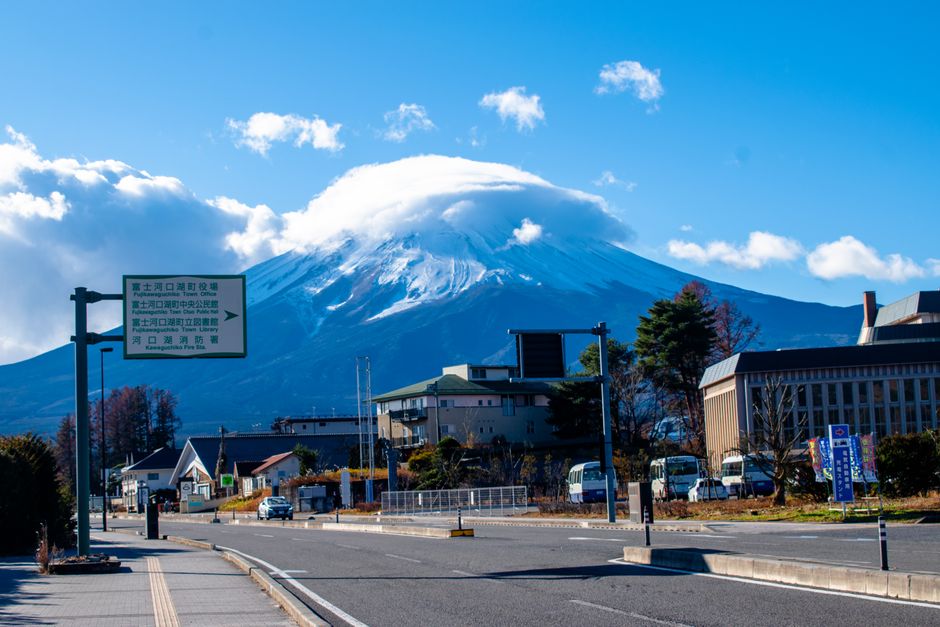
Mount Fuji is widely celebrated as a picturesque symbol of Japan, drawing millions of global travelers each year to admire its iconic snow-capped summit. However, officials are taking the mountain’s underlying volcanic activity much more seriously. While visitors often view the mountain purely as a scenic marvel or a bucket-list hiking destination, emergency planners are confronting the stark reality of what would happen if the volcano roared back to life, making a comprehensive Mount Fuji tourist evacuation plan essential for public safety.
The Hidden Volcanic Threat
Many travelers forget that Mount Fuji is an active volcano capable of causing widespread disruption across the region. Decades of relative calm have lulled many into a false sense of security, but seismologists and disaster management officials know that an eruption is always a possibility over the long term. If the mountain were to erupt, the consequences would extend far beyond the immediate slopes, threatening surrounding infrastructure and dense residential areas. Because of these wide-ranging risks, disaster management agencies have been collaborating across prefectural boundaries to ensure that every contingency is accounted for well before any seismic unrest begins.
Language Barriers and Safety Communications
One of the most complex challenges facing emergency strategists is how to effectively communicate urgent safety instructions to foreign visitors. When disaster strikes, language barriers can slow down vital emergency instructions. Local governments are currently working to improve multilingual communication channels, ensuring that overseas travelers can quickly understand evacuation routes, shelter locations, and emergency alerts on their mobile devices without dangerous delays. Translating complex geological warnings into clear, easily digestible foreign languages remains a top priority for tourism boards and local municipalities alike.
Managing Massive Visitor Crowds Under the Mount Fuji tourist evacuation plan
The sheer volume of people visiting the region during peak seasons adds an immense layer of difficulty to any evacuation scenario. Coordinating the safe movement of thousands of tourists away from the mountain trails and surrounding tourist hubs requires meticulous logistical planning. According to the original report, officials are running detailed simulations to identify potential bottlenecks and streamline transportation networks before disaster strikes. These drills often incorporate real-world visitor data to test how quickly buses, trains, and alternative routes can clear crowded areas near the base of the volcano.
Strengthening Regional Preparedness
Ultimately, safeguarding the region involves a combination of robust infrastructure, continuous monitoring of seismic activity, and comprehensive public education campaigns. By addressing these vulnerabilities proactively, authorities hope to protect both local residents and international guests, ensuring that Japan is ready to respond swiftly and efficiently if its most famous peak ever awakens.
As Japan continues to refine its emergency frameworks, the focus remains on staying ahead of nature’s unpredictability. Through careful planning and international cooperation, officials are striving to ensure that a natural disaster does not turn into a human catastrophe for the countless tourists who visit the mountain every year.
Related reading:
- Japan Imposes New Mount Fuji Off Season Rescue Fee
- Japan National Security Strategy Overhaul: Prepares for Historic Shift in Defense Policy
- Trump’s Board of Peace Prepares Multi-Billion Dollar Gaza Recovery Plan Board of Peace
