

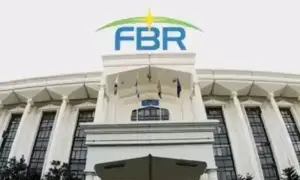
Prime Minister Shehbaz Sharif has issued a stern warning against resistance to tax reforms, putting the structural overhaul of Pakistan’s Federal Board of Revenue (FBR) back in the national spotlight. This high-stakes standoff follows a pen-down strike called by the Inland Revenue Service Officers Association to protest the proposed changes, which prompted swift punitive actions against participating officials. Amid ongoing discussions with international lenders, implementing comprehensive Pakistan FBR tax reforms has become a crucial benchmark for the nation’s economic stability.
Decades of Financial Backing and Little Progress
For more than twenty years, successive administrations have turned to international lenders, securing hundreds of millions of dollars in loans from the World Bank specifically aimed at modernizing tax administration. Yet, deep-seated vulnerabilities in compliance, auditing, and enforcement continue to plague the system. According to the original report, these persistent roadblocks leave economists questioning why two decades of repeated intervention have failed to yield sustainable improvements, and how current transformation strategies hope to break the cycle.
The Role of International Lenders and IMF Talks
Recent economic negotiations have placed intense pressure on Islamabad to broaden its tax base. International financial institutions, particularly the International Monetary Fund, have repeatedly conditioned bailout tranches and structural adjustments on aggressive revenue generation. Historically, Pakistan’s tax-to-GDP ratio has lagged behind regional peers, largely due to systemic exemptions, widespread retail and agricultural sector informality, and administrative leakages. Current policy discussions center on bringing untaxed sectors into the formal documented economy, a move that frequently triggers fierce pushback from influential business lobbies and domestic traders who argue that aggressive documentation campaigns stifle commercial growth rather than foster genuine economic expansion.
Looking Back at Early Modernization Efforts
The foundational push for systemic transformation began around the turn of the millennium. By 2004, the World Bank officially backed these ambitions with a hefty $102.9 million injection for the Tax Administration Reform Project. Over the next eight years, the initiative successfully built, upgraded, or furnished 57 dedicated facilities—including regional tax hubs, large taxpayer units, and specialized facilitation centers. The program also distributed over 11,400 pieces of equipment, ranging from desktop computers to transport vehicles, designed to elevate workplace conditions.
Internal Resistance and Structural Bottlenecks
Beyond infrastructural updates, structural resistance within the tax machinery itself has consistently stymied progress. Bureaucratic inertia, fear of digital tracking, and the preservation of discretionary powers often undermine automated oversight. Recent friction—such as the Inland Revenue Service officers’ strike—demonstrates how internal pushback directly threatens executive timelines. Critics point out that without breaking the entrenched nexus of administrative patronage and compliance loopholes, any structural overhaul risks repeating past failures where hardware and software upgrades outpaced actual cultural and procedural adaptation.
Persistent Bottlenecks and Partial Automation
While the long-term project introduced universal self-assessment protocols, partial digital automation, and shifted sales tax responsibilities from Customs to the Inland Revenue, heavy reliance on manual procedures remained a major bottleneck. Critics note that a significant portion of early financial injections seemed to enhance daily working environments rather than directly boost actual revenue collection. A 2012 World Bank evaluation ultimately classified the project’s outcome as moderately unsatisfactory, highlighting severe vulnerabilities regarding the long-term sustainability of the implemented changes.
As current leadership pushes forward with renewed attempts to streamline the nation’s tax apparatus, overcoming internal resistance and addressing historical shortcomings will prove critical. Whether this latest push will actually deliver lasting compliance remains to be seen.
Related reading:
- Inside Pakistan tax reform IMF Discussions
- Pakistan Economic Growth Forecast IMF: Lagging Behind Regional Averages, Lender Warns
- Pakistan Secures Pakistan IMF Staff Level Agreement as Economic Indicators Show Stability
