

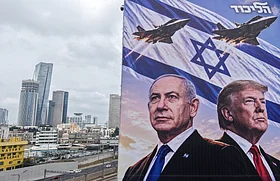
Israel faces a pivotal electoral showdown as the country navigates deep political polarization, making the outcome of the upcoming israel elections netanyahu rivals a critical turning point for the nation’s future. Understanding how these democratic contests operate, alongside the key political players aiming to unseat the incumbent, is essential for anyone following Middle Eastern affairs. As outlined in the original report, the path to forming a governing coalition is rarely straightforward, involving a multi-party proportional representation framework that often leads to dramatic political maneuvering.
How Israel’s Electoral System Works
Unlike many Western democracies that feature geographic constituencies or direct presidential races, Israel functions as a single nationwide electoral district. Voters cast ballots for specific political parties rather than individual candidates. The 120 seats in the Knesset, Israel’s parliament, are then distributed among parties that clear the electoral threshold—currently set at 3.25 percent of the total vote—in strict proportion to the percentage of votes they receive.
Because achieving an outright majority of 61 seats is historically rare for a single party, Israeli elections almost always result in fragmented parliaments. This dynamic forces victorious party leaders to build coalitions with smaller factions, creating governments that rely heavily on compromise and sometimes precarious alliances with niche political groups.
The Role of the Prime Minister and Coalition Building
Following an election, the country’s president consults with the leaders of all parties elected to the Knesset to gauge whom they recommend for the premiership. The leader deemed to have the best chance of assembling a stable governing coalition is then given a designated timeframe—typically 28 days, with a possible 14-day extension—to form a government.
If that designated leader fails to secure the necessary agreements, the mandate can be passed to another politician, or the country may face the prospect of fresh elections. This system places immense leverage in the hands of smaller kingmaker parties, whose backing can make or break a prospective prime minister.
Benjamin Netanyahu and His Main Rivals
At the center of the political arena stands long-serving leader Benjamin Netanyahu, who continues to command a loyal base despite mounting political pressures and fierce opposition. His leadership style and decades-long tenure remain a defining polarization point for the Israeli electorate.
To counter Netanyahu, several prominent figures and newly formed centrist or center-right alliances have emerged. Recent polling indicates that voter fatigue, ongoing security debates, and public scrutiny over handling regional crises are heavily influencing how voters view the current administration and its alternatives. These rivals frequently campaign on promises of restoring institutional stability, repairing frayed international partnerships, and offering a fresh vision for governance. While opposition factions often span a diverse ideological spectrum—ranging from secular moderates to former military chiefs turned politicians—they share a common goal of denying Netanyahu another term at the helm.
What Lies Ahead for Voters
As campaigns heat up, debates over security, economic policy, and governance will dominate the public discourse. With the proportional representation system ensuring that every vote counts toward a party’s total, shifting public opinion in the final weeks before Election Day can dramatically alter the balance of power in the Knesset. Ultimately, the outcome will depend not just on which party secures the most votes, but on who proves most capable of forging a durable coalition amid rising political stakes.
Recent Knesset sessions have been marked by fierce legislative battles and tense committee debates, reflecting the volatile mood of the electorate. Political analysts note that undecided voters will likely dictate the final margin of victory, keeping both the incumbent camp and the broader coalition of opposition parties on high alert as campaign deadlines approach.
Related reading:
- Benjamin Netanyahu Faces High-Stakes Battle for Political Survival
- Israel Elections Key Issues: The Four Core Factors Defining the Vote
- Israel Election Major Candidates: A Guide to the Key Contenders Vying for Power
