

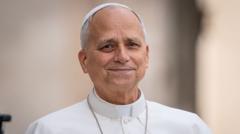
Pope Leo XIV has broken precedent by voting in the United States midterm elections, making him the very first pontiff in history to cast a ballot in an American political contest. The Chicago-born leader of the Catholic Church exercised his civic duty from afar, choosing to mail in his vote as American citizens went to the polls to determine the future balance of power in the United States Congress. This unprecedented action surrounding the Pope Leo XIV US election vote has sparked widespread global discussion regarding the intersection of spiritual leadership and secular responsibilities.
A Chicago Roots Tradition and the Pope Leo XIV US election vote
While the office of the papacy is traditionally associated with global neutrality and spiritual governance, Pope Leo XIV maintains his ties to the United States through his birth and upbringing in Chicago. Eligible American citizens living abroad retain the right to vote via absentee ballot in their last registered state, a provision the pontiff utilized for this crucial legislative cycle. Details regarding his participation were highlighted in the original report, shedding light on how the head of the global Church navigated his dual identity as a spiritual leader and a U.S. citizen.
Under federal law and Uniformed and Overseas Citizens Absentee Voting Act (UOCAVA) regulations, American citizens retain their voting rights regardless of how long they have lived outside the United States, provided they maintain registration in a specific state. For the pontiff, his previous residency in Illinois allowed him to request an overseas absentee ballot. Election officials in his home district confirmed receipt of the ballot ahead of the deadline, ensuring his participation was fully compliant with state and federal guidelines.
Navigating a Complex Political Landscape
The historic vote comes at a time of notable political friction. The pontiff has previously experienced a visibly tense relationship with political figures like Donald Trump, often finding themselves at odds over ideological stances, social welfare policies, and global diplomacy. By participating in the electoral process that will shape the legislative branch, the Pope has subtly underscored the importance of civic engagement, even from the walls of Vatican City.
Observers point out that while popes are citizens of Vatican City State—an independent city-state enclaved within Rome—they often retain their birth citizenship. Past pontiffs from European nations held nationalities that similarly offered various forms of civic participation, yet none chose to exercise a foreign franchise while occupying the Holy See. This decision underscores a distinct willingness by the current pontiff to lean into his personal background and maintain a tangible connection to his homeland.
The Intersection of Faith and Civic Duty
Legal experts and historians noted the rarity of a reigning pontiff participating in a secular election. Although past popes have held nationalities from various European nations, none have broken precedent to cast a ballot while leading the global Catholic faithful. This move highlights a modern approach to the papacy that does not completely sever ties with an individual’s secular origins and responsibilities.
The implications of this electoral participation extend beyond mere novelty. Canon lawyers and political scientists have debated whether a pope engaging in partisan or legislative elections sets a complex precedent for future leaders of the Catholic Church. While the Holy See traditionally maintains strict neutrality in international and domestic political affairs to effectively minister to believers of all political stripes, an individual’s citizenship rights exist independently of their ecclesiastical office.
As election results continue to unfold and shape the legislative trajectory of the United States, Pope Leo XIV’s participation remains a fascinating footnote in both American political history and the long annals of the papacy. Whether future pontiffs will follow this path or choose to remain entirely aloof from secular voting booths remains to be seen, but the current milestone has undeniably altered the conversation regarding the limits of papal neutrality.
Related reading:
- Israel Election Benjamin Netanyahu: High-Stakes Vote Decides Political Future
- Lula wins Brazil election: President Lula Secures Historic Fourth Term After Narrow Victory
- New Sydney Airport First International Flight Marks Historic Aviation Milestone
