

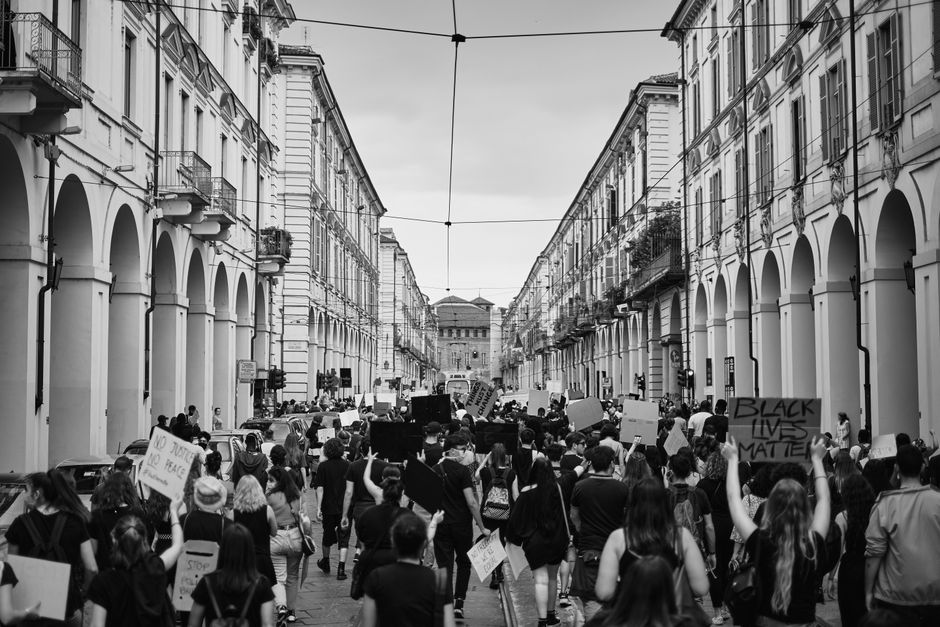
Mass demonstrations recently swept across Italy as thousands of students and workers gathered to voice deep frustration over mounting financial pressures during the latest italy cost of living protests. Citizens say they can no longer afford basic groceries and rent as inflation outpaces wages. Protesters called on authorities to take immediate action to address the financial squeeze affecting households nationwide.
A Nationwide Wave of Frustration in Italy Cost of Living Protests
The demonstrations brought together a diverse coalition of citizens, uniting younger demographics facing uncertain educational and career futures alongside traditional workforce participants. According to the original report, the turnout reflects a broad spectrum of society feeling the pinch of economic headwinds. Chants and banners focused heavily on the difficulties of maintaining a basic standard of living amid persistent inflation and stagnant wages.
Major urban centers including Rome, Milan, Turin, and Naples became the epicenter of these large-scale gatherings. In Rome, students marched toward the Ministry of Education, setting off smoke bombs and holding banners that read “We won’t pay for your crisis.” Meanwhile, in Milan, transport workers and university activists blocked key intersections, demanding immediate government intervention to curb soaring utility bills and skyrocketing rental prices in metropolitan areas where housing has become entirely inaccessible for minimum-wage earners.
Economic Pressures on Families and Youth
For many participants, the core issue is the widening gap between personal income and the actual cost of daily necessities like housing, food, and energy. Students expressed concern over their post-graduation prospects and the affordability of education, while working-class Italians emphasized that current salaries no longer cover standard monthly budgets. This dual-front pressure has intensified public calls for policy interventions.
Labor unions representing millions of workers have presented a formal list of demands to Prime Minister Giorgia Meloni’s administration. These demands include a legally mandated minimum wage, the abolition of precarious short-term contracts that trap young people in poverty, an immediate price cap on essential food items and domestic heating utilities, and increased public funding for free higher education and student housing initiatives. Union leaders argue that without these structural reforms, the working class will face complete financial ruin.
Looking Ahead for Economic Reform
With streets now cleared, the political fallout across Europe is just beginning. Observers note that leaders will face mounting pressure to respond with meaningful relief measures to satisfy the demands of the populace. Whether these rallies lead to policy shifts remains to be seen, but the message from the streets is undeniably clear.
The events in Italy underscore a broader global challenge as nations navigate post-pandemic economic recovery. SparkNest will continue to monitor developments closely as more information becomes available regarding potential government responses to the ongoing public demonstrations.
Related reading:
- France Hit by Widespread France Cost of Living Protests as Police Deploy Tear Gas
- Living in the Dark: Understanding the Rising Household Utility Bills Impact
- Smart Budgeting and Managing the Abu Dhabi Cost of Living
