

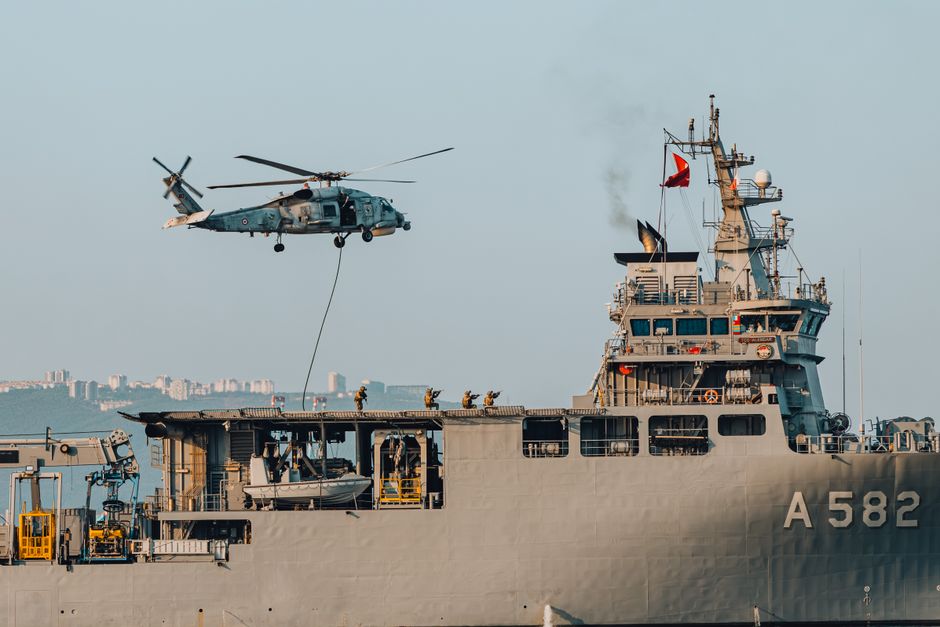
Off the coast of East Africa, the Indian Navy intercepted and retook control of a hijacked vessel in a fast-moving operation. This high-stakes intervention by the indian navy rescues hijacked ship incident highlights ongoing security challenges in the region’s shipping lanes as maritime authorities remain on high alert against piracy threats.
How the Indian Navy Rescues Hijacked Ship Operations Unfold
Elite naval commandos deployed by helicopter carried out the mission. Moving quickly to secure the vessel, the elite tactical unit boarded the ship to neutralize threats and restore order. According to the original report, the military response prevented the situation from escalating further while ensuring the safety of those onboard. The targeted vessel, identified as an Iranian fishing dhow named the *Al Kambar 786*, was boarded by armed pirates roughly 90 nautical miles southwest of Socotra Island.
Defense officials reported that the interception occurred during routine maritime security patrols in the western Arabian Sea. The operation began when Indian warship INS Sumedha, later joined by guided-missile destroyer INS Trishul, intercepted the hijacked craft. The rapid deployment of specialized forces sent a clear message to regional syndicates that naval coalitions are watching international transit corridors closely.
Protecting Vital Maritime Routes
The incident underscores the persistent vulnerability of commercial shipping in the international waters surrounding the Horn of Africa. With global supply chains heavily reliant on these vital corridors, regional and international navies routinely patrol the area to deter unlawful boarding attempts and protect civilian crews from harm. Shipping associations have repeatedly warned that the resurgence of piracy off the Somali coast poses severe risks not only to crew members but also to global energy supplies and food security.
Military analysts point out that international naval task forces have had to adapt quickly to evolving tactics by criminal networks, who often use captured dhows as motherships to launch attacks further out to sea. Coordinated patrols and intelligence sharing between allied nations have proven essential in countering these asymmetric threats before they disrupt critical commercial shipping lanes.
Ensuring Crew Safety and Official Responses
Following the successful recapture of the vessel, naval forces conducted thorough sweeps to ensure the safety and well-being of the crew members. The rescued crew comprised several foreign nationals who were held hostage by armed perpetrators before the elite intervention team subdued the threat without major casualties.
Official statements released by naval headquarters emphasized the commitment of maritime forces to safeguarding seafarers of all nationalities. Authorities continue to monitor the surrounding waters closely to maintain stability and prevent any subsequent security breaches in the busy shipping lanes.
As maritime security forces maintain an active presence across the region, operations like this demonstrate the critical role international navies play in keeping global trade routes safe from renewed piracy threats. Ongoing cooperation between regional governments and international coalitions remains paramount to securing these strategic waters for the foreseeable future.
Related reading:
- Iranian Commercial Vessel Struck Near Strait of Hormuz, Leaving One Dead – iranian ship strait of hormuz struck
- Iran ship attacks Hormuz: Surge in Vessel Attacks as Energy Shipments Peak
- Indian National Killed and 19 Rescued in Vessel Attack Off Oman
