

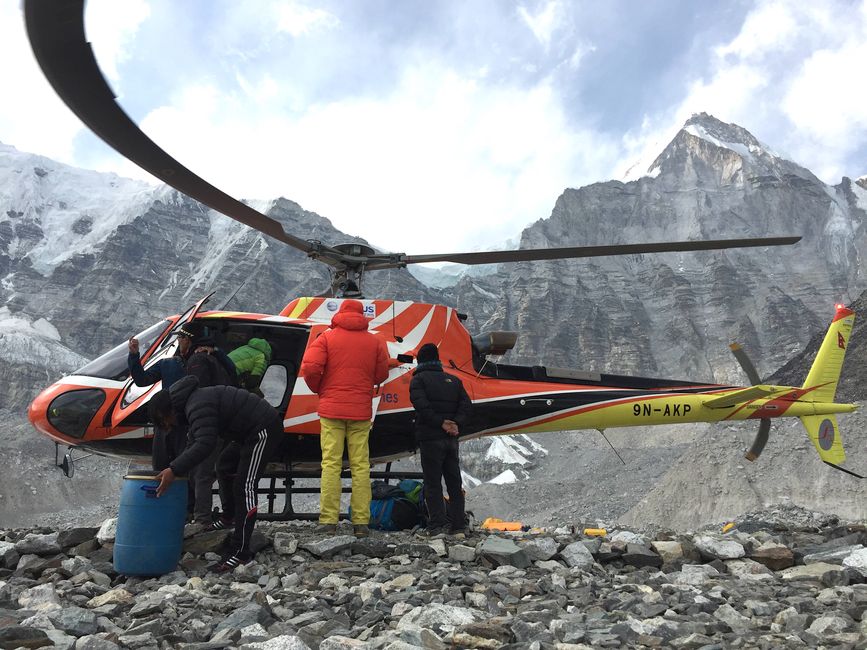
A tragic accident near the base of Mount Everest has left one Indian tourist dead after two helicopters collided during landing attempts. The everest base camp helicopter crash happened just meters above the ground as both aircraft tried to land at the same spot, highlighting the dangers of high-altitude aviation. The incident underscores the intense logistical challenges of high-altitude aviation in the Himalayas.
The Incident Near Everest Base Camp
High-altitude aviation requires extreme precision, particularly in regions surrounding the world’s highest peak where weather, terrain, and heavy traffic converge. According to the original report, the collision took place as the two separate aircraft approached the exact same landing spot. Instead of a safe descent, the two helicopters collided while mere meters from the ground, resulting in a devastating outcome for those aboard.
Understanding High-Altitude Aviation Risks
The routes leading to and from Everest base camp are among the busiest aerial corridors in Nepal, especially during peak climbing and trekking seasons. Tour operators, rescue teams, and transport providers frequently rely on helicopters to move visitors, supplies, and climbers across treacherous mountain terrain where roads do not exist. However, limited landing spaces and rapidly shifting weather conditions often create high-pressure environments for pilots navigating these remote locations.
Over the past decade, the rapid growth of mountain tourism has significantly increased aerial traffic in the region. Helicopters are no longer used strictly for emergency medical evacuations; they are routinely chartered for sightseeing tours, luxury trekking packages, and cargo transport. This surge in flight frequency has placed unprecedented strain on existing infrastructure, particularly at high-altitude helipads where physical space is severely restricted and meteorological conditions can deteriorate in a matter of minutes.
Investigation and Safety Concerns Following the Everest Base Camp Helicopter Crash
Local authorities and aviation officials have initiated inquiries into the circumstances surrounding the collision. This crash is likely to trigger renewed questions about air traffic management, operator communication, and safety rules at busy mountain helipads. Ensuring the safety of both tourists and aviation personnel remains a critical priority as the region continues to welcome thousands of visitors each year.
Industry experts have long advocated for modernized tracking systems and stricter oversight of commercial flights in remote Himalayan regions. Unlike major international airports equipped with advanced radar and dedicated air traffic controllers, many mountain landing zones rely heavily on visual flight rules (VFR) and direct radio communication between pilots. When multiple aircraft attempt to utilize a single landing zone simultaneously under high-stress conditions, the margin for error narrows dramatically.
As details continue to emerge from the investigation, the local community and tourism sector are mourning the loss of life resulting from this unfortunate event. The incident serves as a stark reminder of the unpredictable hazards inherent in high-altitude travel and the constant need for stringent safety oversight in the world’s most extreme mountain environments.
Related reading:
- indian himalayan helicopter crash Tragic Accident Leaves Six Feared Dead
- Tragic Saudi Helicopter Crash in Najran Claims Lives of Two Officers
- From Nightlife Boss to Everest Base Camp: How Michael Chuah Lung Cancer Diagnosis Reset One Man’s Life
