

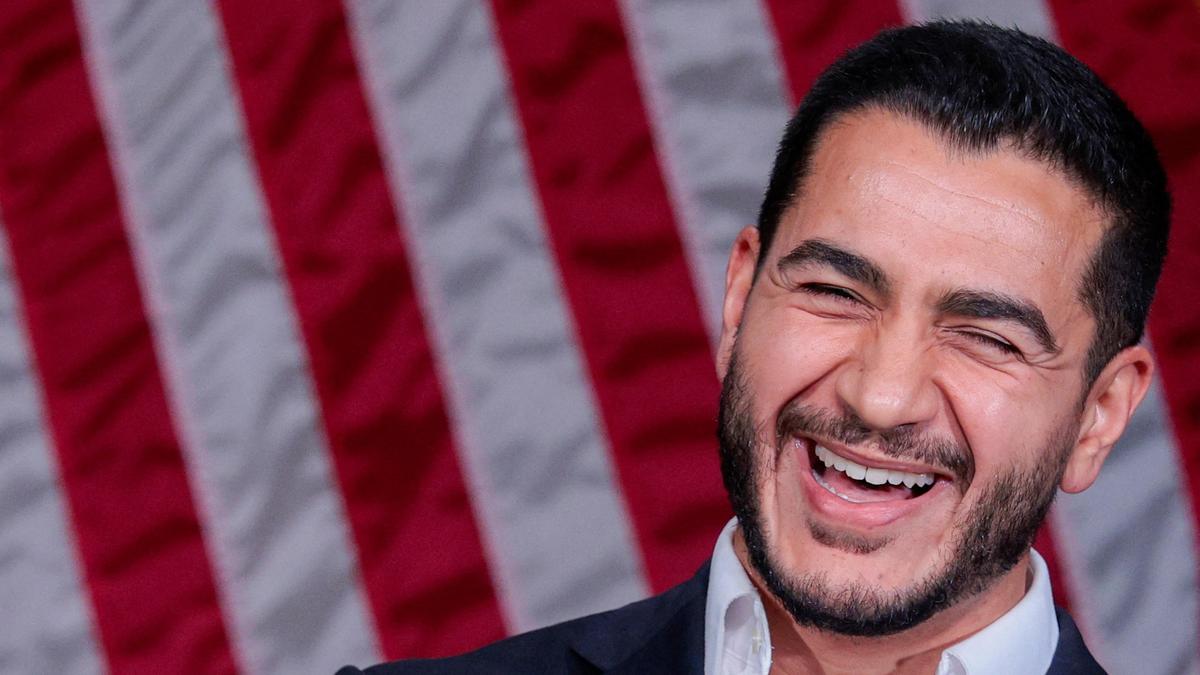
Abdul El-Sayed progressive politics define a unique approach where fierce advocacy meets pragmatic economic realism in modern America. Known for championing sweeping systemic reforms, El-Sayed has steadily drawn national attention not just for his policy platforms, but for how he frames the very nature of economic systems. Rather than rejecting market frameworks outright, he presents a distinct argument about understanding them from the inside out.
A Progressive Platform Rooted in People
El-Sayed’s political identity is firmly anchored on the progressive wing of the political spectrum. Throughout his career, his campaigns and public policy stances have prioritized universal healthcare, robust social safety nets, and aggressive environmental protections. This alignment has earned him backing from prominent progressives. According to the original report, his political trajectory has earned him high-profile endorsements and backing from influential progressive figures like Senator Bernie Sanders and Representative Alexandria Ocasio-Cortez.
Furthermore, this foundational commitment to everyday people shapes every piece of legislation he advocates for. By centering the dignity of the working class, his platform addresses healthcare as a human right rather than a privilege. Advocates often point out that this uncompromising dedication to public welfare is what galvanizes grassroots volunteers and donors alike.
Redefining the Capitalist Critique
What sets El-Sayed apart from traditional leftist rhetoric is his linguistic and conceptual framing of the economy. While critics of capitalism often dismiss the entire economic model, El-Sayed takes a more analytical approach. He famously describes himself as someone who is simply a capitalist who deeply understands how capitalism actually functions. By demystifying the mechanics of capital, wealth generation, and market distribution, he argues that the system’s current failures are design flaws rather than inevitable laws of nature—flaws that can be corrected through smart, equitable public policy.
This perspective allows him to engage in debates that usually divide traditional left-wing politicians and moderate economists. Instead of getting bogged down in semantic arguments over market abolition, El-Sayed focuses on regulatory capture, corporate accountability, and fair taxation. By speaking the language of economics fluently, he disarms critics who claim that progressive policies are economically illiterate.
The Coalition-Building Strategy and Abdul El-Sayed Progressive Politics
By marrying progressive goals with an accessible, analytical critique of the economic status quo, El-Sayed has managed to build broad coalitions. He appeals to voters who are frustrated by corporate monopolies and wealth inequality, yet want practical, actionable governance rather than empty ideological posturing. This unique positioning allows him to translate complex economic theories into everyday language that resonates with working-class voters and policy wonks alike.
Building these coalitions requires deliberate outreach across different demographic groups and geographic lines. Whether speaking to urban union members or suburban professionals, El-Sayed emphasizes that economic justice benefits everyone by creating a more stable and prosperous society. This inclusive rhetoric helps bridge divides that have historically weakened progressive movements.
As progressive movements continue to mature and search for effective electoral strategies, leaders like Abdul El-Sayed offer a fascinating blueprint. By refusing to shy away from economic realities while fiercely defending progressive values, he demonstrates how the left can challenge existing systems while remaining deeply grounded in practical execution. Ultimately, his ongoing work in public service continues to shape the future direction of the American left.
Related reading:
- Abdul El Sayed Michigan Senate Victory Secures Crucial Win
- Abdul El-Sayed Michigan Senate Victory Highlights Defining Race
- Abdul El-Sayed U.S. Senator Makes History as America’s First Muslim Member of Upper Chamber
