

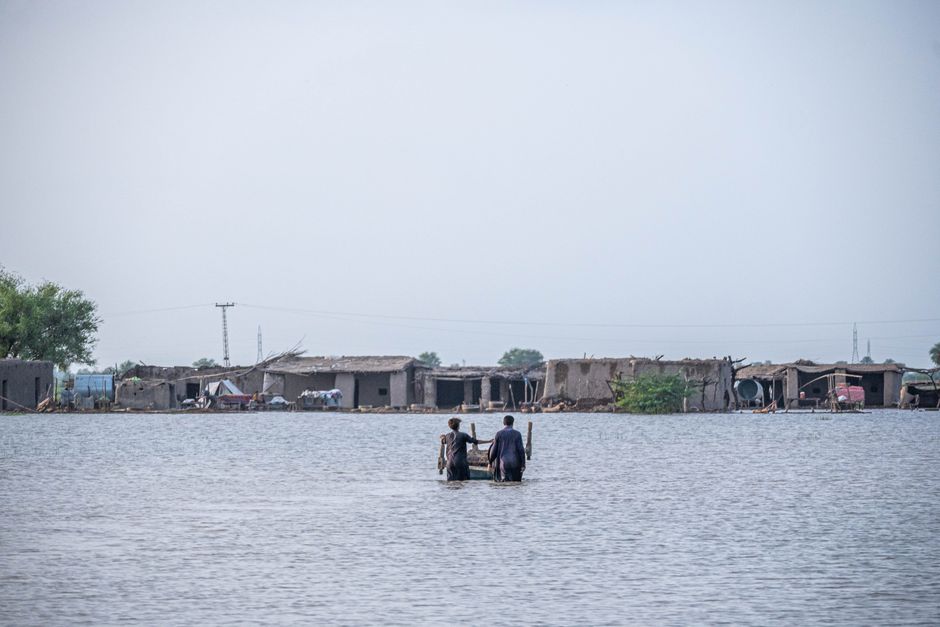
When devastating floods submerged a third of Pakistan in 2022, the international response was largely seen as a desperate scramble in the dark. Yet, a deeper examination reveals a surprising reality: the critical information needed to mitigate the disaster actually existed. Weather forecasts, household registries, and satellite mapping were all successfully collected by various government branches, but the critical insights remained trapped in isolated bureaucratic silos, pointing to a systemic failure far deeper than a simple lack of information during this ongoing pakistan 2022 floods data crisis.
The Illusion of a Data Shortage and the Pakistan 2022 Floods Data Crisis
For years, conventional wisdom dictated that Pakistan suffered from a severe lack of environmental data when preparing for extreme weather events. However, experts discussing the issue at the London School of Economics’ Environment Week pointed out a starkly different diagnosis. The Pakistan Meteorological Department had accurately predicted an above-normal monsoon season, the national socio-economic registry held detailed geo-coded metrics for millions of households, and vital hydrological information was actively monitored by multiple federal agencies. Looking back at the pakistan 2022 floods data crisis, regional departments in Sindh and Balochistan possessed localized rainfall models that could have triggered earlier evacuations if processed correctly.
The core issue was never an absence of knowledge. Instead, as detailed in the original report, the country suffers from a severe fragmentation of its institutional resources. Different buildings held crucial pieces of the puzzle, but no individual agency or official held the legal mandate to synthesize these separate streams and deliver them directly to policymakers before disaster struck. Technical branches like the Federal Flood Commission operated independently from provincial disaster management authorities, creating organizational blind spots that directly fueled the humanitarian toll.
Defining the Missing Chain of Custody
Observers often attribute these systemic failures to poor inter-agency coordination, but that terminology implies a voluntary effort where collaboration is entirely optional. True preparedness requires a formalized chain of custody, ensuring that designated entities are legally obligated to carry vital evidence straight to the point of decision-making. Without this binding protocol, vital hazard data sits unshared among multiple federal offices, rendering early warnings ineffective.
Furthermore, funding imbalances exacerbate the problem. Financial resources heavily favor the procurement of high-tech radar systems and initial risk forecasting, while vital steps like public dissemination and community response strategies remain chronically underfunded. Buying hardware makes for easy photo ops, but building resilient institutional pathways takes far deeper reforms.
Bridging Evidence and Execution
To prepare for future climate catastrophes, governments must reevaluate how evidence systems operate under pressure. Bridging the gap between scientific research and political action requires eliminating bureaucratic boundaries that isolate vital information. Unless policymakers establish strict protocols to mandate the flow of data from technical agencies to executive decision-makers, nations will continue to face preventable crises while sitting on mountains of unused knowledge.
Ultimately, solving climate vulnerability requires acknowledging that collecting data is only half the battle. Establishing accountability and clear pathways for information delivery is the only way to ensure that warnings translate into life-saving actions.
Related reading:
- How UNICEF Climate Change Girls Education Findings Reveal a Crisis for Female Students Worldwide
- Pakistan Children Online Sexual Exploitation: 1.5 Million Face Hidden Crisis
- Pakistan Faces Alarming Pakistan Child Protection Crisis Amid Rising Abuse Cases
