

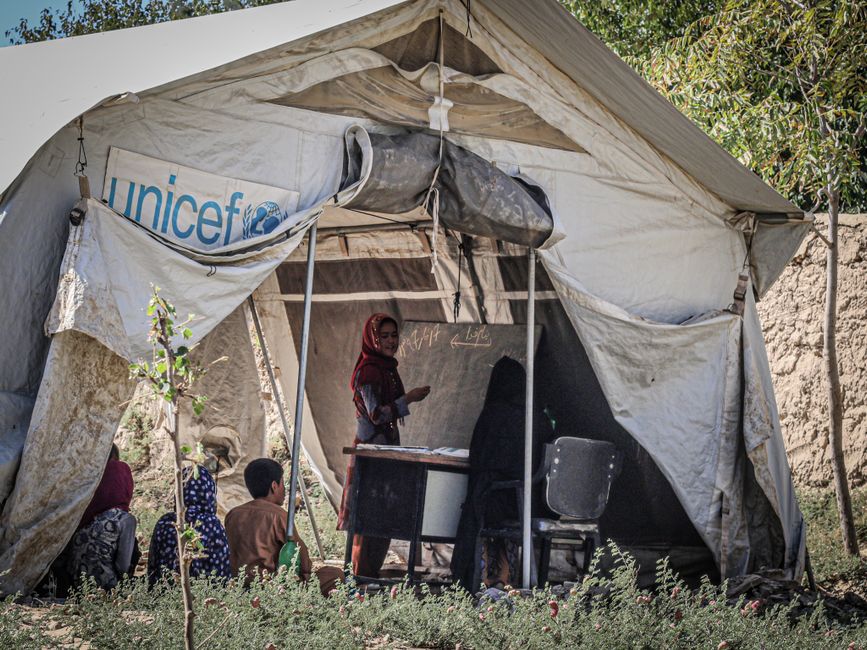
New data released this week reveals that over 40 million children have their education disrupted annually by environmental disasters, with female students bearing the heaviest burden according to new unicef climate change girls education research. When severe floods, prolonged droughts, and intense storms strike vulnerable regions, the immediate dangers extend far beyond damaged infrastructure and economic loss into a deeper, less visible crisis unfolding in classrooms across the globe.
The Hidden Toll of Environmental Disasters
As severe weather events become more frequent and intense due to global warming, educational institutions find themselves on the front lines of climate vulnerability. Storms, droughts, and floods frequently force schools to close temporarily or sustain long-term structural damage. When these interruptions occur, communities often face tough economic choices. Families struggling to recover from a climate shock may prioritize the schooling of boys over girls, creating a gendered educational disparity that deepens with every environmental crisis. Furthermore, rebuilding efforts rarely account for gender-specific sanitation needs, making it even harder for adolescent girls to return to school once doors finally reopen.
Why Female Students Suffer Most in Unicef Climate Change Girls Education Reports
According to the original report by UNICEF, systemic vulnerabilities compound the impact of climate shocks on young women. In many developing regions across South Asia and sub-Saharan Africa, girls are traditionally tasked with household responsibilities such as gathering water and firewood. When environmental degradation makes these resources scarce—such as during prolonged droughts—families rely more heavily on their daughters to manage daily survival needs instead of attending class. Consequently, temporary school closures frequently transform into permanent dropouts, robbing millions of young women of their fundamental right to learn and achieve financial independence.
Long-Term Consequences for Communities
The interruption of learning cycles cuts girls off from vital literacy and vocational skills, directly limiting their future earning potential and civic participation. Educated women consistently secure better economic opportunities, experience better health outcomes, and contribute to more resilient communities that bounce back faster from natural disasters. When climate-driven disruptions cut their education short, the cycle of poverty and environmental vulnerability tightens across generations. Addressing this issue requires targeted interventions, gender-responsive budgeting in disaster recovery plans, and robust social protection programs that keep classrooms open and support vulnerable households during environmental emergencies.
Protecting the future of global education means recognizing that climate policy is inextricably linked to gender equality. Safeguarding classrooms from environmental threats is an essential step toward ensuring that every child, regardless of gender, can complete their education and lead their communities toward a sustainable future.
Related reading:
- Chinese researchers glacial collapse climate change: Tibetan glaciers shrink rapidly
- Al Gore climate change warning Singapore: Crisis Accelerating Past Predictions
- Outcry Erupts Over PMDC order Afghan medical students Threatening Education
