

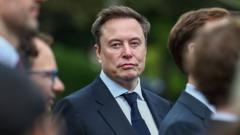
Billionaire entrepreneur Elon Musk has revealed that he is eyeing a potential combination of two of his most prominent enterprises, Tesla and SpaceX. As the chief executive officer of both the electric vehicle manufacturer and the private aerospace company, Musk recently pointed out that bringing the two corporate giants together could unlock substantial operational synergies and major advantages for both businesses. This concept of a tesla and spacex merger has immediately sparked intense speculation across global financial markets.
Analyzing the Potential Tesla and SpaceX Merger
If completed, it would rank among the largest corporate combinations in history. Both companies have grown immensely under Musk’s leadership, transforming from niche innovators into dominant global forces in their respective industries. Bringing them under a single corporate umbrella would create an unprecedented powerhouse spanning sustainable automotive transport, energy solutions, and space exploration. However, achieving this scale requires navigating a complex labyrinth of shareholder interests, valuation disparities, and cross-industry regulatory frameworks that have rarely intersected on such a massive scale.
Strategic Alignment and Shared Vision
While specific details regarding how the corporate integration would be structured remain scarce, Musk’s comments highlight an ongoing overlap in the technological ambitions of both firms. From advanced battery engineering and materials science to artificial intelligence and autonomous navigation, innovations developed at one company frequently find applications in the other. According to the original report, the entrepreneur firmly believes there is a great deal to be gained by combining their respective strengths. For instance, SpaceX’s heavy-duty manufacturing techniques and aerospace-grade materials often inform Tesla’s vehicle body engineering, while Tesla’s advancements in battery cell chemistry and autonomous software development provide foundational architecture for various aerospace initiatives. This mutual exchange of engineering talent and intellectual property creates a compelling operational logic, even if the corporate hurdles remain formidable.
Looking Ahead to Uncharted Territory
Analysts are already weighing the massive regulatory and financial hurdles of combining the two firms. Combining a publicly traded automotive company with a privately held aerospace contractor presents unique regulatory, financial, and logistical challenges. Tesla shareholders would demand rigorous governance and clear valuation metrics to ensure that capital allocation between volatile automotive markets and long-term space exploration remains equitable. Meanwhile, SpaceX holds vital defense contracts and classified security clearances with government agencies like NASA and the Department of Defense, adding layers of federal oversight that a commercial automaker does not typically face. Federal regulators would scrutinize how public market exposure might impact sensitive national security projects and proprietary aerospace technology.
Furthermore, managing the valuation gap between Tesla’s fluctuating public stock and SpaceX’s private equity valuation introduces complex accounting and structuring dilemmas. Financial engineers would need to devise innovative equity swap mechanisms or create a holding company structure capable of insulating public shareholders from the extreme capital intensity and high-risk failure modes inherent in interplanetary rocket development. Despite these daunting obstacles, the prospect of combining automotive manufacturing with private spaceflight signals a bold new chapter for Musk’s corporate empire.
As this unprecedented story unfolds, SparkNest will continue to track the latest developments and provide updates on what could become the defining business transaction of the decade.
Related reading:
- Elon Musk Starlink Ukraine Drones: US Government Intervention Suspected
- Elon Musk Starlink India: Oligarchs Accused of Interference
- SpaceX Starship First Orbit: Prepares for Historic Flight
