

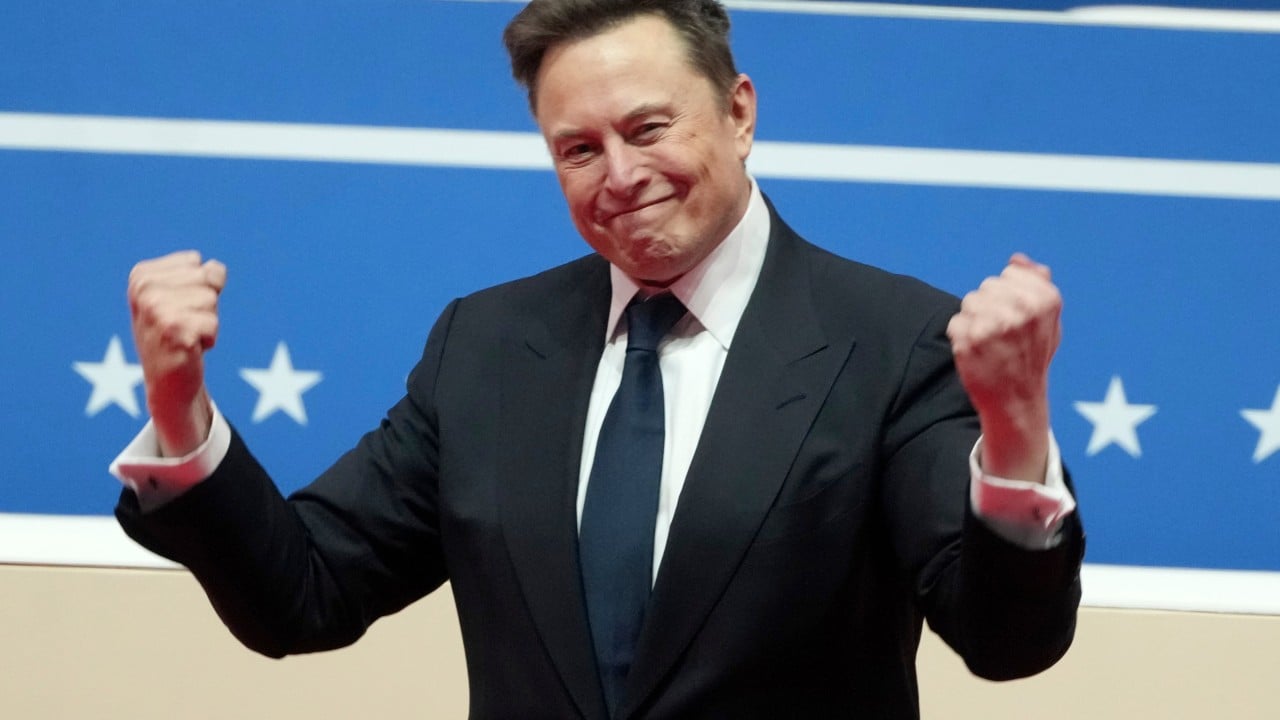
During an earnings webcast on Tuesday, chief executive officer Elon Musk announced that independent special committees have been established at both SpaceX and Tesla Inc to investigate the feasibility of a potential tesla spaceX merger deal. This major corporate evaluation brings together two of the most influential entities in modern industry to assess whether combining forces makes strategic and financial sense.
Evaluating the Historic Tesla SpaceX Merger Deal
Bringing together the world’s leading private aerospace manufacturer and its premier electric vehicle pioneer would create a staggering technological powerhouse. According to the original report, Musk made it clear that this initiative is currently in its preliminary stages, though the sheer scale of the proposal has already captivated financial markets and industry analysts alike. If the committees greenlight the transaction, the resulting enterprise would boast an unprecedented footprint spanning terrestrial transportation, clean energy, satellite internet, and interplanetary exploration.
Wall Street analysts have expressed mixed reactions to the news, noting both the immense potential for operational synergies and the significant regulatory hurdles such a transaction would entail. Market strategists point out that combining a publicly traded automotive giant with a privately held aerospace firm involves complex valuation metrics, shareholder approvals, and potential antitrust scrutiny from global regulators. Despite these challenges, equity researchers suggest that the long-term convergence of energy storage, autonomous driving, and orbital communications could unlock trillions of dollars in combined enterprise value over the next decade.
The Strategic Value of Artificial Intelligence
When outlining the rationale behind the discussions, Musk pointed directly to the massive software overlap between the two firms. Developing advanced artificial intelligence and automation requires immense computational resources and specialized engineering talent. Musk emphasized that he sees tremendous merit in pooling resources, specifically highlighting the substantial advantages to be gained from cooperating closely on the creation of advanced superintelligence software that can benefit both electric vehicles and aerospace hardware.
Industry experts note that Tesla’s advancements in neural network training for Full Self-Driving capabilities share a foundational synergy with the guidance and navigation systems required for SpaceX’s reusable rockets and Starship vehicles. By unifying these engineering teams under a single corporate umbrella, the combined entity could accelerate R&D cycles and reduce redundant expenditures on high-performance computing clusters.
Independence Within the Evaluation Process
Even though Musk serves as the chief executive at the helm of both organizations, he has consciously stepped back from the current evaluation phase. To ensure a fair, rigorous, and transparent review of the proposal, Musk confirmed that he is not participating directly in the ongoing committee discussions. This governance measure allows independent directors and advisors to thoroughly weigh the financial, operational, and regulatory implications without direct internal pressure from the dual-company chief.
As these specialized committees dive deeper into the financial mechanics and technical synergies of the proposal, the business world will be watching closely. Whether this ambitious exploration culminates in a definitive agreement remains to be seen, but the very prospect of fusing Tesla and SpaceX marks a monumental turning point for modern technology and global commerce.
Related reading:
- Elon Musk Starlink Ukraine Drones: US Government Intervention Suspected
- Elon Musk Starlink India: Oligarchs Accused of Interference
- SpaceX Starship First Orbit: Prepares for Historic Flight
