

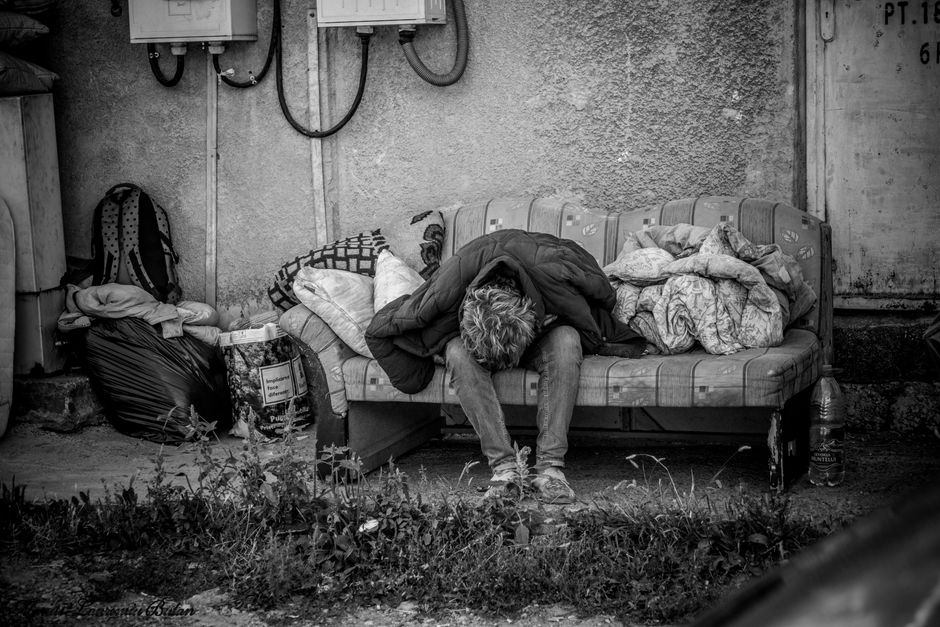
While energy bills and rent dominate cost-of-living discussions, another crisis is unfolding quietly inside homes across the UK. According to the original report from local aid groups, organizations dedicated to supplying basic household goods are reporting unprecedented levels of demand as more people find themselves unable to afford essential furnishings. This growing wave of furniture poverty in Hampshire highlights a severe gap in the local social safety net, affecting families and individuals who are already struggling to make ends meet in an increasingly difficult economic climate.
The Hidden Reality of Living Without Basics
Furniture poverty goes far beyond a lack of stylistic choices or modern comforts; it means living without the foundational items that make a house a functional home. Imagine trying to prepare a meal without a cooker, sleeping night after night on a bare floor because a bed is financially out of reach, or lacking a table where children can sit down to complete their homework. Charities working on the ground note that this invisible hardship strips away not just physical comfort, but basic human dignity and stability for families and individuals alike.
For many households, the journey into deprivation happens gradually. A broken washing machine, an unexpected medical bill, or a sudden reduction in working hours can derail a household budget entirely. Without any savings to fall back on, residents find themselves forced to sacrifice essential furniture just to keep food on the table and pay utilities. This modern struggle touches every corner of the county, leaving local support networks working overtime to bridge the gap.
Tackling Furniture Poverty in Hampshire: Surging Demand Leaves Local Charities Stretched
Charities across Hampshire say they are struggling to meet the unprecedented demand. Warehouses that once kept steady inventories are now seeing donations vanish almost as quickly as they arrive. Community workers point out that the continuous economic squeeze has left vulnerable households with zero financial cushion, meaning even a minor emergency can wipe out their savings and force them to go without essential items. As requests for help climb steadily higher, these vital support networks are struggling to keep pace with the sheer volume of need.
Local volunteers and organizers are working tirelessly to coordinate pickups and deliveries, but the sheer scale of the crisis often overwhelms available resources. Many organizations rely heavily on public generosity, corporate donations, and small grants to keep their operations running. Unfortunately, as the cost of living continues to impact donors as well, contributions have not kept pace with the soaring number of referrals coming from social workers, health visitors, and local housing associations.
Beyond the Walls: The Ripple Effects on Health and Well-Being
The absence of adequate furniture creates cascading challenges that touch every aspect of daily life. Medical professionals and support workers frequently highlight the connection between poor living conditions and declining physical and mental health. Without a proper bed, chronic sleep deprivation sets in, impacting job performance and academic focus. Lacking a functioning kitchen setup forces reliance on unhealthy eating habits. By addressing furniture poverty, community initiatives are trying to restore a sense of normalcy and health to households teetering on the edge.
Long-term studies consistently show that unstable living conditions contribute significantly to anxiety and depression among both adults and children. Growing up in a home without a proper desk, bed, or seating area can also hinder a child’s educational development and social well-being. Addressing these challenges requires a holistic approach that goes beyond simply handing out surplus items, focusing instead on long-term stability and empowerment for everyone involved.
As Hampshire charities continue to field an unrelenting wave of requests, the issue of furniture poverty demands wider attention from policymakers and the public. Solving this hidden crisis will require sustained support, increased funding, and dedicated resources to ensure no one in the local community is forced to live without the basic furnishings every home deserves.
Related reading:
- Artificial Intelligence Stocks Take a Hit Amid Rising US Interest Rate Expectations and the AI Infrastructure Stocks Rate Hike
- Fuel Price Surge Threatens Community Charities and Essential Services: Understanding the Fuel Prices Charity Impact
- US Dollar Holds Near Two Month Peak Amid Rising Yields
