

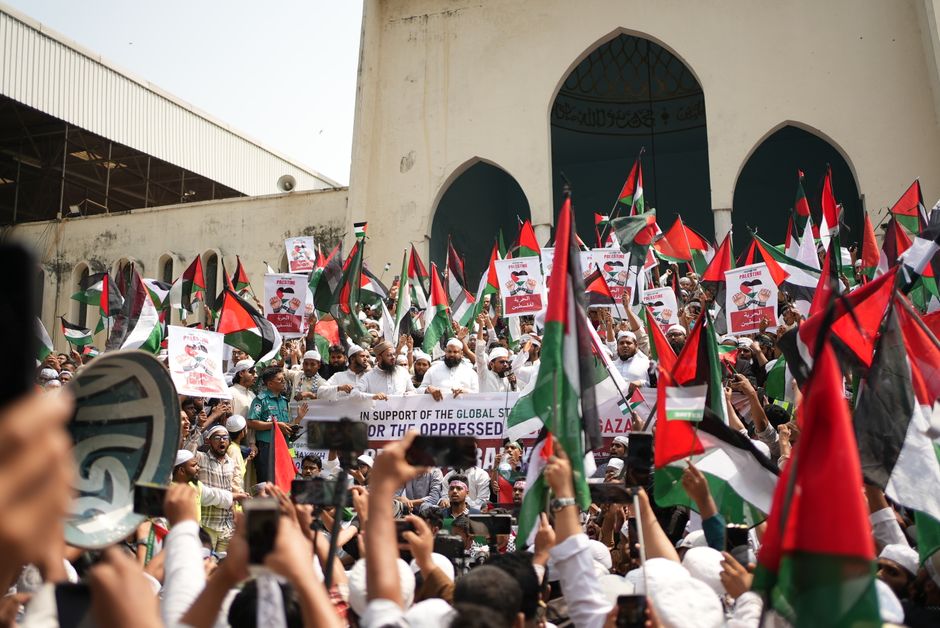
Jamaat-e-Islami (JI) is ramping up its pressure campaign against fuel taxes, setting the stage for a fresh round of nationwide demonstrations. After weeks of mobilization and public demonstrations across the country, leadership has confirmed that a fresh wave of nationwide resistance will begin later this week, focusing heavily on public gatherings and localized sit-ins. These upcoming JI anti petroleum levy protests represent a significant escalation in the ongoing political friction facing the current administration.
Escalating Pressure Through District Sit-Ins During JI anti petroleum levy protests
The upcoming phase of demonstrations, scheduled to kick off on Friday, will see organized sit-ins established in districts nationwide. According to the original report, the political party is refusing to back down until authorities completely eliminate the controversial petroleum levy that has heavily impacted household budgets and daily transit costs. Analysts note that these sustained actions are designed to keep maximum leverage on policymakers as economic grievances continue to deepen across urban and rural sectors alike.
Core Demands and Economic Concerns
At the heart of the movement is a firm demand for total relief from fuel-related surcharges. Party officials argue that ordinary citizens are shouldering an unsustainable financial burden due to rising inflation and high energy costs. By targeting the petroleum levy specifically, JI aims to force a structural shift in how fuel pricing and taxation are managed nationwide, ensuring that future budgetary adjustments take the common worker’s purchasing power into account.
Furthermore, economists and labor union leaders have voiced concerns over the compounding effects of high petroleum duties on transport fares and essential food item prices. Because fuel is a primary input for logistics and power generation, any increase in its baseline cost triggers an inflationary wave across the entire consumer market. This broader economic backdrop has given the religious-political party a broad base of sympathy from citizens who might not otherwise participate in partisan politics, amplifying the urgency behind their current agenda.
Government Response and High-Level Talks
While street protests loom, backchannel talks are reportedly picking up pace within the government. High-level discussions are currently underway within the administration, with the prime minister scheduled to convene meetings specifically addressing the potential withdrawal or adjustment of the levy. Officials are weighing the fiscal implications of altering fuel duties against the growing political fallout of continued street agitation.
Ministers are reportedly divided on how best to handle the standoff. Some advisors favor holding a firm line to protect vital revenue collection targets dictated by international lenders, while others warn that prolonged confrontation could paralyze major commercial hubs and trigger widespread civil unrest. Treasury officials are running emergency simulations to see if alternative revenue streams can compensate for any potential rollback of fuel taxes without breaching fiscal deficit boundaries.
With the next phase of demonstrations just days away, all eyes remain on both the protest organizers and government leaders to see if a compromise can be reached before nationwide disruptions take effect. Public transit associations and business councils are bracing for potential road blockades, hoping that last-minute negotiations will yield a viable breakthrough before economic activity grinds to a halt.
Related reading:
- JI fuel levy proposals government: Jamaat-e-Islami Puts Forward Six Key Demands
- Pakistan Government Resumes Govt Talks with Jamaat-i-Islami to Avert Islamabad March
- JI Islamabad march PDL government: Jamaat-i-Islami Sets Date for Capital Demonstration
