

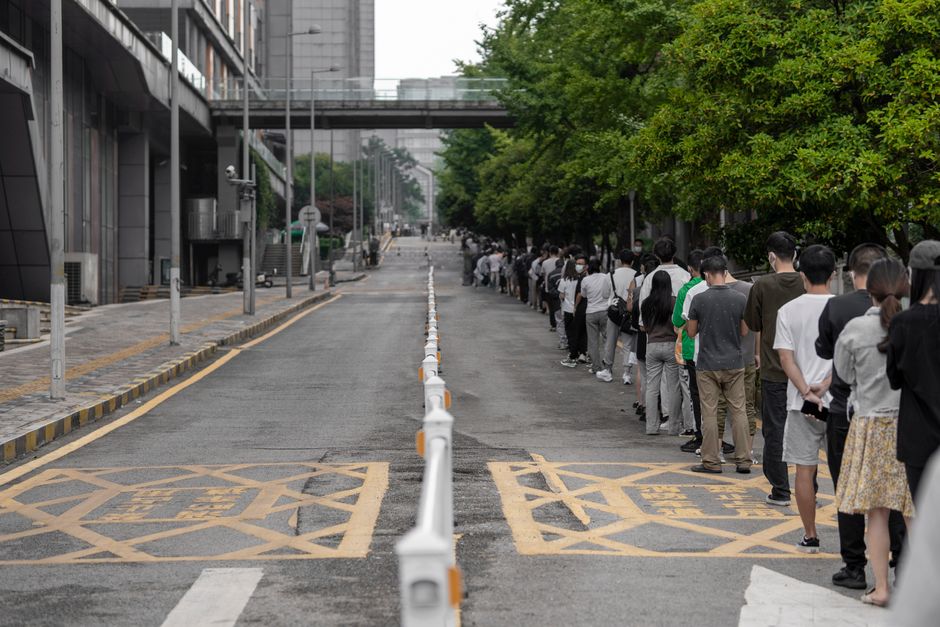
Travelers attempting to cross the border recently faced frustrating Huanggang Port long queues delays reaching up to two hours, as a newly revamped facility struggled to keep pace with an overwhelming wave of passengers. The congestion has drawn sharp scrutiny from local lawmakers, who are pointing to a combination of technical setbacks, heavy traffic, and public unfamiliarity with fresh procedural requirements as the root causes behind the bottleneck.
Record-Breaking Passenger Volume Overwhelms Facility and Causes Huanggang Port Long Queues Delays
The recently updated Huanggang Port experienced an unprecedented surge in activity, handling a record number of daily border crossings since the facility reopened in mid-October. According to the original report, official figures from the Immigration Department revealed that total crossings surpassed 152,000, divided almost evenly between outbound and inbound journeys. This massive influx highlights the growing connectivity and daily movement between the regions, emphasizing the critical role that efficient infrastructure plays in maintaining smooth regional mobility. However, the sudden spike also exposed vulnerabilities in the newly updated systems, catching both commuters and border staff off guard during peak travel windows.
The physical layout of the redesigned checkpoint, while intended to streamline long-term processing, initially created confusion as daily commuters navigated unfamiliar entry gates, automated clearance lanes, and updated security protocols. Authorities noted that minor bottlenecks at individual turnstiles quickly cascaded into much larger architectural blockages, affecting the overall flow of pedestrians and vehicular traffic alike. Transport operators reported that buses and private vehicles experienced extended idling times outside the terminal gates, further exacerbating the frustration for passengers who had anticipated a swift and seamless transit experience.
Local Residents Drive the Traffic Surge
A closer look at the demographic breakdown of the travelers reveals that the vast majority of those utilizing the port were local residents. Out of the total volume handled by the immigration checkpoint, Hongkongers accounted for the lion’s share of the traffic, making up more than 133,000 of the individual trips recorded throughout the busy weekend period. This heavy reliance by local cross-border workers, shoppers, and families underscores how deeply integrated daily cross-border routines have become in the Greater Bay Area.
Furthermore, weekend leisure travel heavily contributed to the congestion, with many residents taking advantage of the updated facilities to visit neighboring mainland cities for dining, entertainment, and short-term getaways. The sheer concentration of trips during peak morning and evening hours overwhelmed the available staffing levels, prompting calls from community leaders for more flexible rostering and real-time crowd management strategies during high-demand periods like weekends and public holidays.
Lawmakers Highlight Systemic and Procedural Hurdles
In the wake of the extensive wait times, government officials and lawmakers have stepped forward to analyze what went wrong. They noted that many passengers were still getting accustomed to the updated clearance protocols implemented at the redesigned site. Compounding this widespread user confusion were unexpected computer system reboots and a massive influx of vehicular and pedestrian traffic that pushed the border infrastructure to its absolute limits.
As authorities work to smooth out the operational friction, officials are urging travelers to plan their journeys carefully and familiarize themselves with the new clearance steps to help prevent similar gridlocks in the future. Comprehensive reviews are currently underway to upgrade server capacities, optimize queuing architectures, and deploy additional on-site assistance staff to guide confused travelers through the automated channels more efficiently.
Related reading:
- Massive Rescue Operation Underway After Indonesian passenger ship capsizes
- Global Temperatures Shatter Records as August Climbs to Unprecedented Highs Making It the Hottest Month Ever Recorded August
- New China North Korea Bridge Opens After a Decade of Delays
