

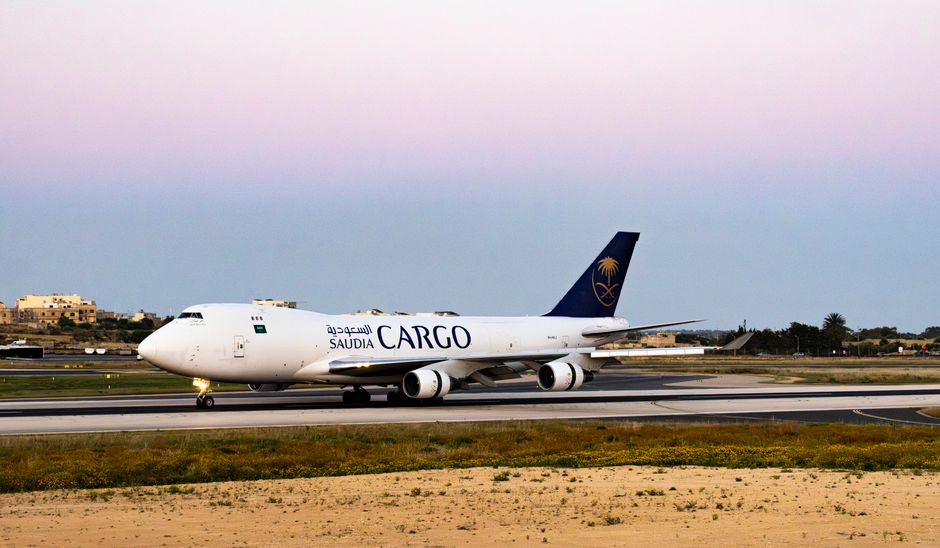
Hundreds of Nepali migrant workers missed Dashain and Tihar after being stranded in Saudi Arabia by sudden flight cancellations. Aviation disruptions triggered by regional conflict have left travelers stranded far from their families, missing major cultural festivities that only come around once a year.
Missed Holidays and Looming Deadlines for Nepali Workers Stranded Saudi Arabia
Rajesh Rai, a migrant worker hailing from Khotang, had spent three years laboring in Saudi Arabia before finally securing a month of leave from his employer. Armed with a valid exit-re-entry visa, he booked an Air Arabia flight scheduled for October 11 to journey from Riyadh back to Kathmandu via Sharjah. He hoped to share the Dashain festival with his loved ones.
However, those plans collapsed abruptly. Just a day prior to his scheduled departure, Houthi rebels launched a devastating strike targeting King Khalid International Airport. Saudi authorities reported that the attack claimed 13 lives, left over 300 individuals injured, and forced the immediate closure of the facility.
Desperate to salvage his trip, Rai learned that flights might still be operating out of Jeddah. He endured a grueling 13-hour bus journey spanning nearly 1,000 kilometers, spending a significant sum on transit, only to find himself marooned in a friend’s apartment with no clear timeline for departure.
“I am neither in my company’s camp nor have I been able to reach home,” Rai explained. With Dashain already gone and the Tihar festival rapidly approaching, his approved leave is quickly running out.
Widespread Flight Cancellations Cripple Travel
Rai’s situation reflects a much larger crisis affecting the extensive community of Nepali expatriates in the Kingdom. According to reports from the region, approximately 45 percent of all scheduled flights departing from Saudi airports were cancelled between October 8 and October 25. At Riyadh’s primary international hub, that cancellation rate surged to an alarming 86 percent.
Direct routes frequently utilized by workers to travel between Dammam and Kathmandu have also been completely halted. Major carriers like Nepal Airlines and Himalaya Airlines have scrapped nearly 20 scheduled services since October 11. While Nepal Airlines operates on a weekly basis, Himalaya Airlines—which typically runs twice-weekly services—announced cancellations extending well into early November.
A Vital Workforce Caught in the Crossfire
Saudi Arabia currently hosts about 400,000 Nepali nationals who make up a vital part of the workforce. Official figures from the Department of Foreign Employment show a steady stream of departures, with roughly 7,000 individuals acquiring or renewing labor permits each month, and more than 8,300 doing so during the mid-September to mid-October reporting period.
As diplomatic channels remain active, embassies and labor organizations are attempting to coordinate relief efforts, provide temporary shelter extensions, and negotiate with employers to prevent workers from facing legal penalties over expired leave terms. Local community groups in Riyadh and Jeddah have also stepped up, distributing food packages and financial aid to those who depleted their savings on failed transit attempts.
Meanwhile, aviation authorities are working around the clock to restore normalcy to the region’s airspace. For many nepali workers stranded saudi arabia, however, these bureaucratic and diplomatic efforts offer little immediate comfort. Caught between expired holiday windows, dwindling financial resources, and closed airport terminals, these travelers continue to face a tense and exhausting wait for safe passage back home to their families.
Related reading:
- Houthi attacks Saudi Arabia Yemen: Forces Launch Retaliatory Strikes Following Deadly Bombardment
- Egypt Saudi Arabia Houthi attacks Strategy Shifts as Iran Issues Tech Warnings
- Egypt Supports Saudi Arabia Houthi Attacks Response and Regional Defense
