

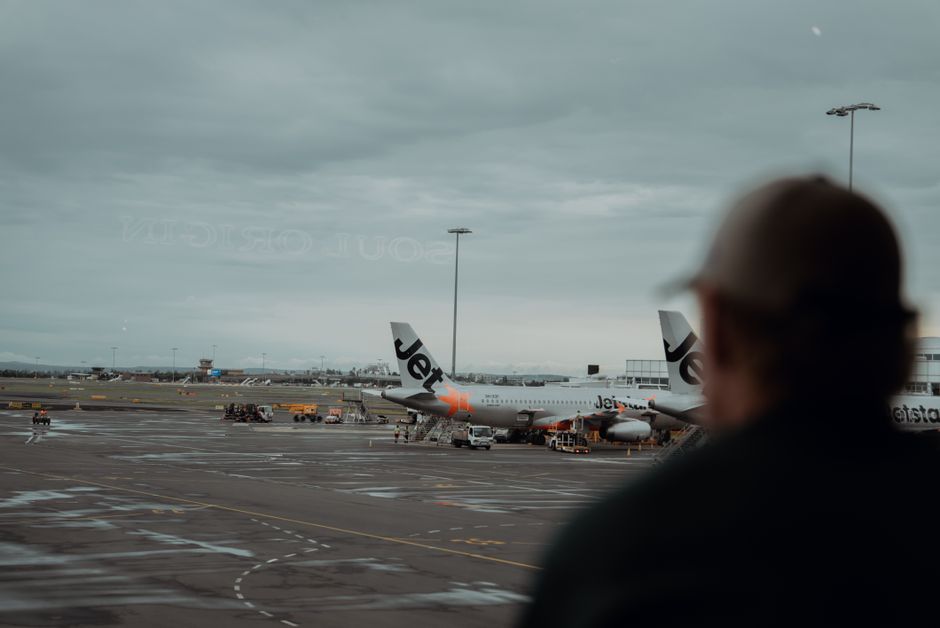
A brand-new era of aviation has officially begun in Australia as western sydney international airport’s maiden global departure takes off. Travelers watched as the first international flight departed from the new airfield designed to ease congestion and provide a fresh gateway for the nation’s most populous city. Officially named Western Sydney International (Nancy-Bird Walton) Airport, located in Badgerys Creek, this multibillion-dollar project has been decades in the planning. For over a century, the region relied exclusively on Kingsford Smith Airport near the CBD, but the opening of this modern facility finally introduces a long-awaited alternative for global travelers looking for smoother connections and modern amenities.
Relieving Century-Old Aviation Bottlenecks at Sydney’s Second Hub
For generations, anyone flying into or out of the greater metropolitan area had only one main landing strip option. While that established airfield served the community well for over a hundred years, steady population growth and surging global tourism pushed it near its limits, particularly with strict evening curfew regulations. The introduction of this second facility is designed to absorb the overflow, streamlining schedules and offering airlines like Qantas, Jetstar, and international carriers more flexibility to expand their routes into the region.
Unlike its predecessor, Western Sydney International operates on a 24/7 curfew-free schedule. This round-the-clock capability is a major turning point for cargo operations and long-haul international transit, ensuring that delayed arrivals do not cause cascading disruptions across the entire national domestic and international network, ultimately benefiting travelers across the globe.
State-of-the-Art Infrastructure for the Future
Constructed with modern travel demands in mind, the new airfield incorporates advanced technology and spacious terminal layouts intended to make passenger transit as smooth as possible. From biometric self-service drop-off kiosks to next-generation explosive detection security scanners, every detail focuses on reducing wait times and easing passenger transit. Planners hope this forward-thinking design will set a new benchmark for aviation efficiency across the region, accommodating up to 10 million passengers annually in its initial phase alone, with master plans allowing for eventual scaling up to 82 million annual passengers.
In addition to technological advancements, the airport layout has been carefully crafted to minimize walking distances between gates and baggage claims. Passengers arriving on the new sydney airport first international flight will notice an immediate difference in efficiency compared to older, legacy terminals. Sustainability has also been a core pillar of the construction process, featuring extensive solar energy integration, energy-efficient lighting systems, and advanced water recycling infrastructure designed to minimize the facility’s carbon footprint while handling massive daily crowds.
Economic Impact and Regional Growth
Beyond convenience for flyers, the launch of international operations represents a massive economic boost for the surrounding Western Sydney district. The massive infrastructure project has already generated thousands of local jobs during its construction phase and promises sustained employment through hospitality, logistics, and tourism sectors. Local businesses anticipate a surge in visitors as the airport scales up its operations, welcoming more global carriers and bolstering local hotel and transport infrastructure in the coming months and years.
Regional planners expect this influx of international business to attract foreign investment, transforming Western Sydney into a thriving economic powerhouse independent of the traditional central business district. New commercial hubs, hotels, and entertainment precincts are already being developed in adjacent suburbs to cater to the anticipated influx of tourists, business executives, and aviation personnel.
As the wheels of that historic departure lift off the tarmac, a new chapter for Australian travel officially commences. With ample room for future expansion, this modern alternative is poised to reshape how millions of people connect with the world, securing Australia’s position as a premier global destination for decades to come.
Related reading:
- France Confirms Historic First Human Case of Shamonda Virus
- Tragic Riyadh Airport Attack Egyptian Flight Attendant Incident Leaves One Dead and Five Injured
- Flynas Expresses Deep Grief Following the Riyadh Airport Attack Flynas Flight Attendant Tragedy
