

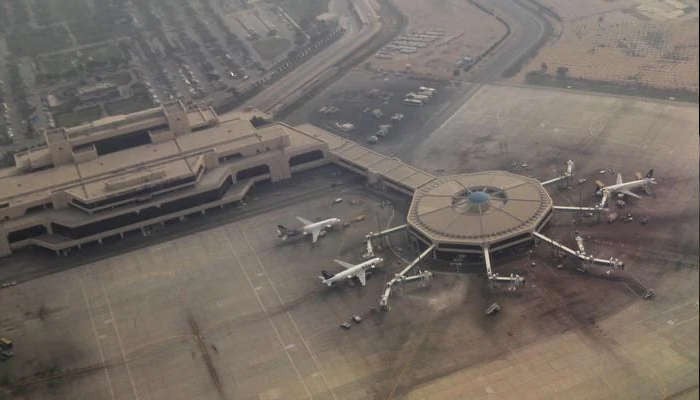
Prime Minister Shehbaz Sharif has greenlit a comprehensive modernization initiative aimed at significantly upgrading the infrastructure at two of Pakistan’s most critical aviation hubs. As part of the new pakistan airport expansion project, this ambitious undertaking focuses on both the Allama Iqbal International Airport in Lahore and the Jinnah International Airport in Karachi. The project upgrades Lahore and Karachi airports to handle more passengers and modernize facilities, catering to growing travel volumes.
A Master Plan for the Pakistan Airport Expansion Project
The extensive development projects will proceed under a carefully structured master plan. Officials overseeing the transport sector have emphasized that every phase of construction and design must adhere strictly to top-tier international standards. As reported in the original report, the strategic overhaul aims to transform the travel experience for millions of domestic and international flyers.
Both Lahore and Karachi hubs have experienced exponential traffic growth over the past decade. Jinnah International in Karachi handles the majority of the nation’s international cargo and passenger flights, serving as the primary economic gateway to the Arabian Sea. Meanwhile, Allama Iqbal International in Lahore connects the densely populated Punjab province with major global destinations across the Middle East, Europe, and Asia. Upgrading these facilities is vital for national economic competitiveness.
Strict Focus on Construction Quality
During the official briefing on the upcoming works, the prime minister issued explicit directives regarding the execution of the project. He stressed that under no circumstances should the quality of the engineering, materials, or finishing suffer. Officials must closely oversee construction to ensure terminals meet global standards.
Economic analysts point out that robust aviation infrastructure directly correlates with increased foreign investment and tourism. By streamlining customs, expanding boarding gates, and improving baggage handling systems, Pakistan hopes to position itself as a central transit hub for regional and intercontinental travel. Financing models for these upgrades involve a mix of public-private partnerships and targeted budgetary allocations to ensure fiscal responsibility.
Milestones in Karachi
While the broader expansion plan is now officially underway, aviation authorities have already achieved key infrastructural goals. Officials confirmed that the expansion work on a major runway at the Karachi hub has reached completion, marking a vital early success for the nation’s aviation modernization strategy and promising smoother operations for incoming and outgoing flights.
As these monumental projects progress, travelers and industry experts alike will be watching closely to see how the enhancements reshape air travel infrastructure across Pakistan in the coming years. Environmental sustainability is also expected to play a role, with newer terminal designs incorporating energy-efficient lighting, waste reduction protocols, and modern water management systems.
Related reading:
- Houthis attack Riyadh airport in major escalation of regional conflict
- Pakistan Rejects Pakistan UN Security Council Permanent Seats Expansion
- SCO meeting Islamabad Pakistan: Capital Prepares to Host Major Shanghai Cooperation Organisation Events
