

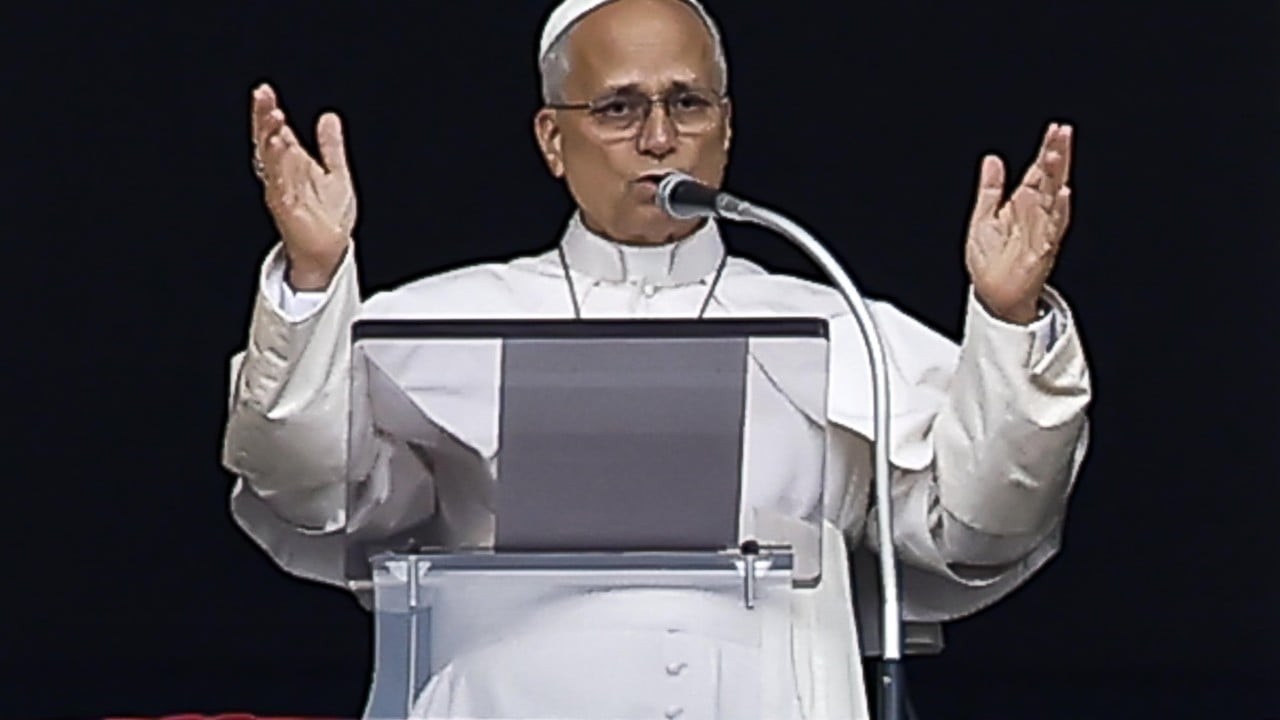
Pope Leo has made history by becoming the first pontiff to cast a ballot in a U.S. election, marking an unprecedented moment for both the Roman Catholic Church and American politics. By participating in this Pope Leo US election vote, the pontiff has blended his spiritual duties with his ongoing status as a U.S. citizen, sparking global conversations about the intersection of faith, nationality, and civic participation.
A Historic First from the Vatican for the Pope Leo US election vote
The Vatican officially confirmed on Friday that the Chicago-born pontiff completed a mail-in ballot ahead of the upcoming U.S. midterm elections. According to the original report, the Holy See press office explained that the pope’s decision stems from a deep-seated, long-standing belief in the importance of civic engagement and public participation.
U.S. midterm elections are critical political events that determine control of the United States Congress, influencing legislative agendas for the remainder of a presidential term. For American citizens living abroad—including those residing within the walls of Vatican City—participating in these elections typically involves requesting an absentee or mail-in ballot through their last registered state of domicile. Each U.S. state maintains its own specific set of laws and deadlines regarding absentee voting, requiring voters to navigate complex bureaucratic procedures from thousands of miles away. The fact that the Bishop of Rome successfully completed this process underscores a meticulous dedication to maintaining his legal rights as an American citizen.
Continuing a Lifelong Habit
Before taking the papal name and leading millions of Catholics worldwide, Pope Leo was known as Robert Prevost. Throughout his life and career within the church, he maintained his American citizenship and a consistent voting record. The Holy See’s statement noted that Prevost has exercised his right to vote as a U.S. citizen consistently whenever he was eligible, a practice he has maintained even while residing abroad over the years.
Maintaining voter registration while living internationally can present logistical hurdles. Many states require overseas voters to submit a Federal Post Card Application (FPCA) annually to request absentee ballots for all federal elections in that calendar year. Prevost’s consistent adherence to these requirements demonstrates that his commitment to civic duty predates his elevation to the papacy and remained steadfast despite his demanding ecclesiastical responsibilities.
Bridging Civic Duty and Spiritual Leadership
While popes are citizens of Vatican City State—an independent absolute monarchy where they hold supreme legislative, executive, and judicial power—they can also hold dual citizenship depending on their country of birth. Pope Leo’s decision to mail in his ballot highlights a unique intersection of modern global citizenship and papal responsibilities, sparking conversations worldwide about the personal rights of religious leaders.
Dual citizenship for sovereign leaders is a rare and complex legal status. As the head of a sovereign state, the pope engages with heads of state and international diplomats on a regular basis. Yet, by retaining his U.S. citizenship and exercising his voting rights, Pope Leo bridges the gap between global spiritual leadership and individual national accountability. This dual identity sheds light on how modern religious figures navigate political obligations in their home nations without compromising their universal pastoral mission.
As the midterm elections approach, this remarkable development serves as a reminder of the pontiff’s American roots and his personal commitment to democratic participation, setting a fascinating new precedent in the modern history of the papacy.
Related reading:
- Israel Election Benjamin Netanyahu: High-Stakes Vote Decides Political Future
- Lula wins Brazil election: President Lula Secures Historic Fourth Term After Narrow Victory
- New Sydney Airport First International Flight Marks Historic Aviation Milestone
