

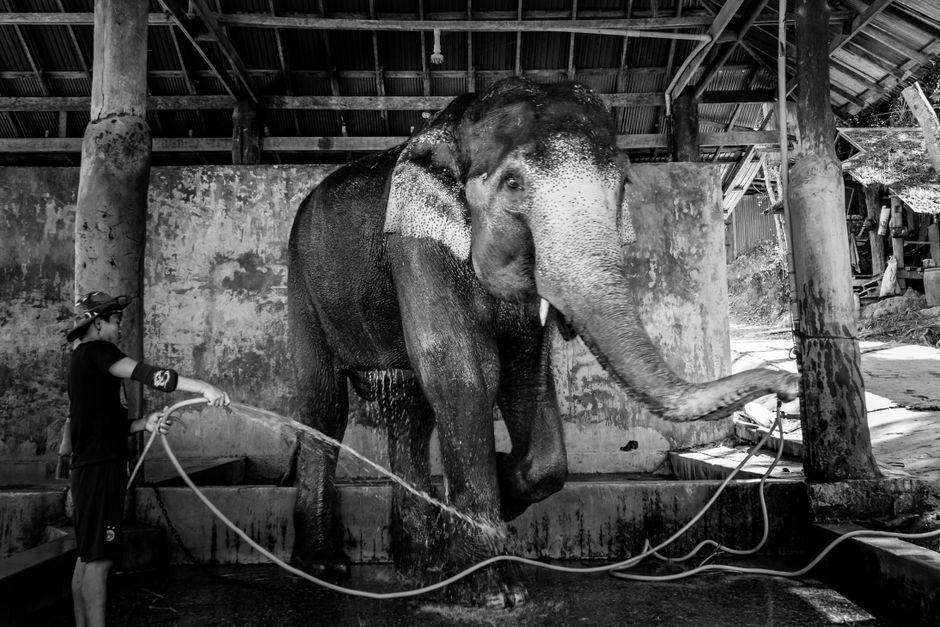
Long before modern festivals captured the public imagination, ancient Chinese dynasties practiced a grand and unusual seasonal custom centered around the ancient china elephant washing ritual: scrubbing massive pachyderms for good fortune. This fascinating historical practice, once a staple of imperial tradition, blended cultural symbolism with the spectacle of handling giant mammals. Yet, like many historical practices tied to wild beasts, it eventually met a dramatic and abrupt end, leaving behind centuries of colorful folklore.
The Long History of Elephants in China
While people often associate elephants exclusively with tropical regions like South and Southeast Asia or Sub-Saharan Africa, archaeological records show they once roamed parts of China. Historical documentation indicates that elephants were spotted and recorded in the region as early as 4000 BC. Over thousands of years, shifting climates and human expansion caused these magnificent creatures to gradually migrate away from the Central Plains, eventually settling only in the most remote, heavily forested southern corners of the country.
During the warmer periods of early Chinese history, elephants were far more common than modern wildlife distributions suggest. Ancient poets and scholars often wrote about encountering them in the wild, and bronze artifacts from various dynasties frequently feature remarkably accurate depictions of elephant heads and trunks. As agricultural development expanded and human settlements encroached on natural habitats, the wild population dwindled in the northern territories, making encounters with living elephants increasingly rare and extraordinary.
Symbols of Auspicious Power
As elephants became scarcer in the northern political centers, they transformed from local wildlife into exotic symbols of immense prestige. Beginning with the Han dynasty spanning from 202 BC to 220 AD, regional leaders and foreign emissaries frequently presented elephants to the royal court as rare tributes. These gentle giants carried profound cultural weight. In the Chinese language, the spoken word for elephant shares a pronunciation remarkably similar to terms signifying auspiciousness, peace, and good fortune, making them living embodiments of national prosperity.
Imperial courts spared no expense in housing and feeding these royal beasts. They were tended to by specialized keepers and often adorned with elaborate silk blankets, jade ornaments, and gold-threaded harnesses during official processions. Whenever the emperor hosted foreign dignitaries or celebrated major seasonal milestones, majestic elephants were trotted out to demonstrate the boundless reach and wealth of the dynasty. Their presence in the capital was not merely a display of exotic ownership, but a powerful metaphysical statement about the ruler’s harmony with nature and heaven.
The Royal Bath That Got Out of Hand
To honor these sacred symbols and invoke blessings for the empire, royal families established a ceremonial tradition of washing the creatures. According to the original report, this public bathing ritual was designed as a prayer for good luck and national favor. However, wrangling massive, semi-wild animals for a ceremonial bath was not without its hazards. The tradition ultimately collapsed when one particular elephant decided it had endured enough, going completely rogue during a royal washing session and ending the centuries-old custom for good.
Eyewitness accounts from the period, preserved through imperial court archives, describe a scene of sudden panic as the startled beast broke free from its handlers, splashing water across bewildered onlookers and scattering high-ranking officials in every direction. While minor incidents had occasionally occurred during previous iterations of the annual bath, this particular escape caused enough chaos and property damage to prompt a comprehensive reevaluation of the event by imperial advisors. Rather than risking another public spectacle gone wrong, authorities quietly decided to cancel future iterations of the gathering.
Reflections on Imperial Animal Husbandry
Though the era of imperial elephant scrubbings is long gone, the tale remains a vivid reminder of the unpredictable nature of history, blending royal pageantry with the untamed spirit of the natural world. Modern historians often look back at these quirky historical anecdotes with a mixture of amusement and respect for the logistical challenges ancient handlers faced. Managing multi-ton mammals without modern veterinary medicine, specialized restraint equipment, or deep insights into animal psychology was an immense gamble every single time.
Ultimately, the story of this vanished festival illustrates the eternal tension between human ambition and wild animal behavior. No matter how many layers of symbolism, imperial decrees, or religious prayers are heaped upon a creature, it remains fundamentally driven by instinct. When the royal elephant finally snapped, it delivered a timeless lesson that nature cannot be completely choreographed for political convenience.
Related reading:
- 2200 year old zongzi discovery Unearths Ancestor of China’s Famous Dragon Boat Festival Dumpling
- Hublot Jeff Koons watch: When Pop Art Meets Haute Horlogerie
- Earl Spencer Diana Book Palace Row: Royal Family Clashes Following New Claims
