

Access to electricity remains a fundamental hurdle for hundreds of millions of people worldwide, but a recent global financial assessment highlights a remarkably cost-effective path forward. According to the original report, scaling up decentralized solar energy could connect nearly 400 million individuals to reliable power by the end of the decade at a fraction of traditional infrastructure costs. Detailed insights from the world bank solar power report 2030 outline a transformative approach to international development and energy poverty eradication.
The Economics of Solar Outpacing Traditional Grids According to the World Bank Solar Power Report 2030
For decades, expanding national electricity grids has been the default strategy for bringing power to underserved regions. However, laying miles of high-voltage transmission lines across difficult terrain is exceptionally expensive and time-consuming. The new findings highlight how standalone solar systems and mini-grids have transformed the financial landscape. By skipping costly grid extensions, governments and private developers can deliver electricity much faster and far more economically.
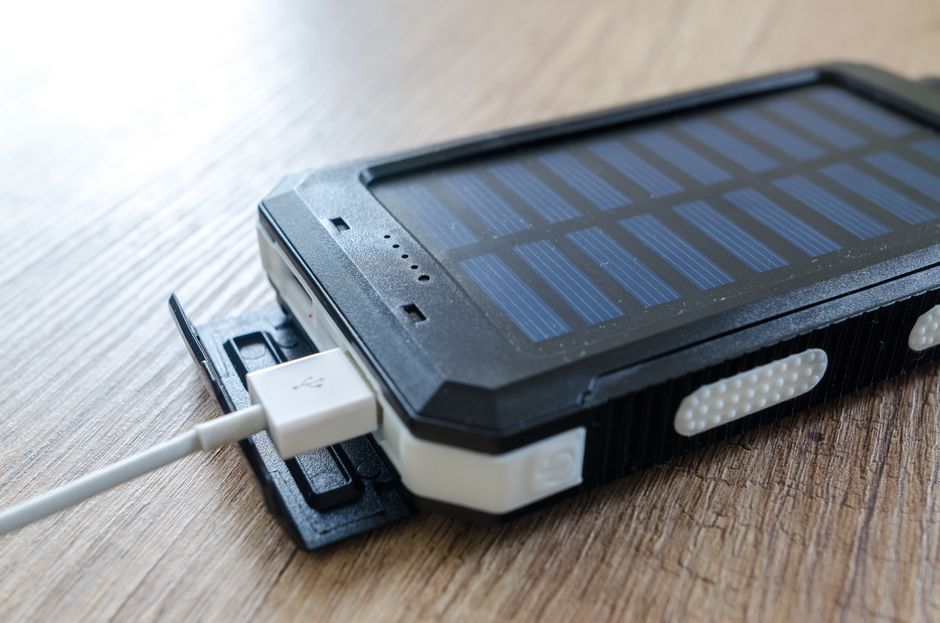
Decentralized solar economics rely heavily on modular technology that can be deployed directly where energy is consumed. Unlike centralized power plants that require massive upfront capital and extensive transmission networks, solar home systems and localized mini-grids can be scaled incrementally. This reduces financial risk for investors and ensures that capacity matches local demand more accurately. Furthermore, advancements in photovoltaic efficiency and lithium-ion battery storage have drastically lowered the per-kilowatt-hour cost of off-grid solar solutions, making them increasingly competitive with—and often superior to—extending legacy fossil fuel or centralized grids.
Connecting Hundreds of Millions by 2030
The ambitious timeline targets the year 2030 to achieve massive gains in global energy access. Reaching this milestone would fundamentally alter the daily lives of nearly 400 million people currently living in the dark. Reliable electricity unlocks incredible potential for local economies, education, and healthcare. Children can study after sunset, clinics can refrigerate essential medicines, and small businesses can operate beyond daylight hours, all powered by clean energy.
Expanding energy access through localized solar power also fosters community resilience. When villages and remote towns are not tethered to a single vulnerable national grid, they are better insulated against regional blackouts, severe weather disruptions, and fuel supply chain bottlenecks. Local cooperatives and private micro-utility operators can manage these decentralized assets efficiently, creating local employment opportunities and fostering technical expertise within rural communities.
A Manageable Investment for a Massive Impact
Financing is often the greatest barrier to large-scale infrastructure transformations. Yet, the projected price tag of $11.4 billion to achieve this sweeping electrification goal is surprisingly modest compared to traditional grid investments. This figure represents an achievable threshold that, with coordinated efforts between international financial institutions, private investors, and local governments, can be successfully mobilized over the coming years.
Mobilizing this capital requires innovative blending of public and private finance. International development banks can provide initial risk-mitigation guarantees, attracting private equity and venture capital to emerging off-grid markets. By establishing predictable regulatory frameworks, developing nations can further encourage foreign direct investment in clean energy infrastructure, ensuring that funding flows smoothly to the regions that need it most.
Looking Ahead at Global Energy Transitions
As the international community works toward sustainable development goals, integrating cost-effective renewable energy solutions will be crucial. This World Bank insight underscores a shifting paradigm in global development: prioritizing decentralized, clean technology over rigid, legacy infrastructure. If executed effectively, this initiative could serve as a blueprint for bridging the global energy divide permanently.
Ultimately, this economic analysis demonstrates that expanding energy access does not have to break the budget. By leveraging the decreasing costs of solar technology, the global community has a realistic, affordable opportunity to bring light and power to millions within the decade.
Related reading:
- Pakistan Poverty Rate World Bank Report Reveals Deepening Economic Crisis and Surging Hardship
- World Bank Chief Ajay Banga Targets Massive Boost in Critical Minerals Funding Through World Bank Critical Minerals Financing
- Bank of America Fine Money Laundering: Massive $1.2 Billion Penalty Issued
