

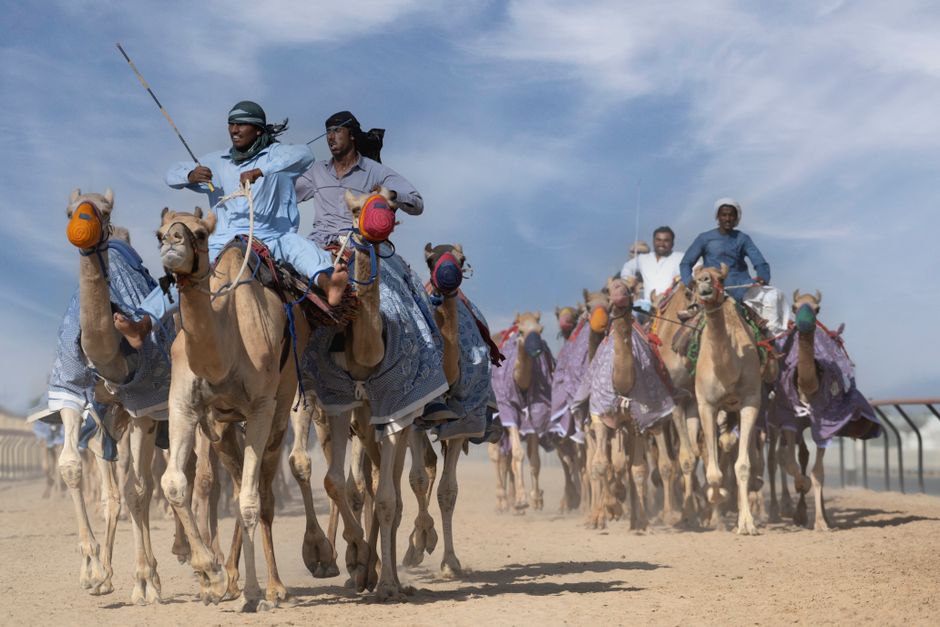
In the heart of the Arabian Peninsula, a traditional pastime continues to capture the imagination of millions. Today, camel racing in the uae is far more than a simple athletic competition; it is a vital tradition linking today’s youth to historical desert lifestyles. As the sport evolves on the global stage, it maintains a unique balance between preserving ancient customs and embracing contemporary organization.
The Roots of a Timeless Tradition in Camel Racing in the UAE
Long before modern infrastructure transformed the landscape, camels were vital companions to the people of the region. They provided transportation, sustenance, and a means of survival across harsh desert terrains. Over time, informal gatherings celebrating the speed and endurance of these remarkable animals evolved into organized racing events. These competitions served as social anchors, bringing communities together to celebrate local pride, breeding expertise, and equestrian heritage.
Historically, these gatherings were community-driven affairs held during cooler winter months. Tribes would gather to showcase their finest racing dromedaries, which were bred specifically for stamina and explosive bursts of speed over distances ranging from four to ten kilometers. The knowledge required to train these animals was passed down orally from generation to generation, forming an intricate subculture of animal husbandry and tactical race planning that remains foundational to the modern industry today.
Modernization and Global Appeal
Today, the sport has undergone a remarkable transformation. State-of-the-art tracks, advanced veterinary care, and professional training standards have turned traditional events into high-tech spectacles. According to the original report, the careful stewardship of these events ensures that animal welfare and competitive integrity remain at the forefront. This professionalization has not diluted the cultural essence of the sport; rather, it has opened doors for international audiences to appreciate the discipline, strategy, and sheer stamina required.
Modern facilities feature automated robotic jockeys, air-conditioned stables, and sophisticated nutritional tracking systems that monitor the health and peak performance windows of elite competitors. Major annual festivals, such as the Al Dhafra Festival and the President’s Cup, attract thousands of participants and spectators from across the Gulf Cooperation Council (GCC) countries and beyond, turning rural desert tracks into bustling hubs of international tourism, commerce, and cultural exchange.
Preserving Cultural Identity for Future Generations
Even as prize purses grow and global viewership expands, the core mission of the racing community remains focused on cultural preservation. Younger generations are encouraged to learn the intricacies of breeding, training, and race management. By keeping these generational skills alive, the community ensures that this historic practice continues to thrive today, inspiring new admirers worldwide.
Educational programs and local heritage clubs now actively involve youth in heritage-focused workshops, teaching them about the lineage of champion racing camels and the traditional dietary regimens that keep them competitive. These initiatives ensure that the youth do not view the sport merely as a spectator event, but as a living art form and a core pillar of national identity that requires active stewardship and personal dedication.
Ultimately, camel racing stands as a shining example of how a culture can honor its historical roots while successfully adapting to the modern era. By welcoming global curiosity without losing its soul, the sport secures its place as a living heritage with an enduring global future.
Related reading:
- Inside Myanmar’s Brutal Underground: Why Youth Are Turning to myanmar bareknuckle lethwei youth sport
- Your Complete Guide to Following womens super league bbc sport Coverage This Season
- Pioneering Women Breaking Tennis Barriers Who Paved the Way for Modern Trailblazers
