

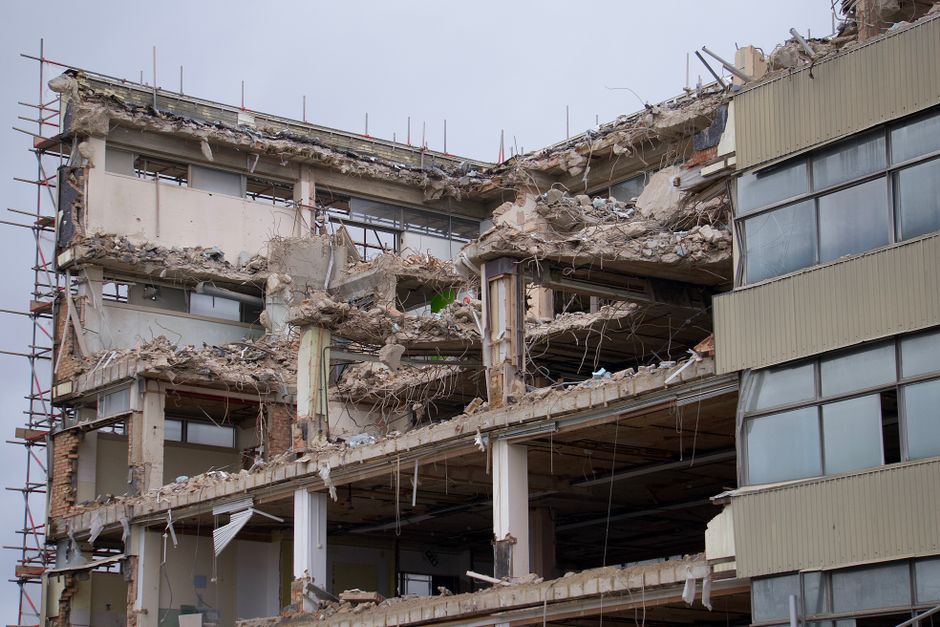
Tensions between neighboring nations have flared following the controversial demolition of a mosque in northern India. Pakistani officials have formally voiced their intense disapproval over the recent destruction of a religious sanctuary that stood for over a hundred years, drawing sharp parallels to historical flashpoints from decades past. As news of the event spread rapidly across social media platforms and news outlets, political analysts noted that this development occurs at a particularly delicate time for regional diplomacy, where bilateral ties remain deeply strained over various territorial and cultural disputes. The announcement by Islamabad reflects a broader anxiety regarding the safety and security of minority populations residing across the border, intensifying the diplomatic friction between the two nuclear-armed neighbors.
How Pakistan Condemns Mosque Demolition India
The incident took place in the northern Indian state of Uttar Pradesh, where heavy law enforcement personnel were deployed to secure the perimeter while the structure was brought down. According to the original report, the century-old mosque was demolished on September 5, sparking immediate concern among regional observers and minority rights advocates who worry about the preservation of cultural heritage sites. Local authorities in Uttar Pradesh defended the operation by citing municipal zoning regulations and urban development plans, claiming the structure was built illegally on public land. However, community leaders and independent historians have fiercely contested these claims, producing decades-old land titles and community tax records that purportedly prove the religious site’s legitimate status long before modern municipal boundaries were drawn up. This sharp divergence in narratives has fueled protests and widespread condemnation from various religious organizations throughout the subcontinent, who view the event as an assault on pluralism and religious freedom.
Islamabad Calls for Global Intervention
In response to the teardown, Pakistan’s Foreign Office released a stern statement denouncing the action. Islamabad urged international organizations and human rights monitors to step in, arguing that minority communities face escalating persecution and that historic places of worship lack adequate protection under the current climate. International human rights watchdogs have previously expressed concern over the rising tide of religious nationalism and cultural erasure in South Asia, urging governments on all sides to exercise maximum restraint and protect sacred sites regardless of their community affiliation. Diplomatic channels, which are already operating at a bare minimum, face renewed pressure as various international bodies deliberate whether to issue formal inquiries or send fact-finding missions to investigate the legality and execution of the demolition.
Echoes of Past Communal Tensions
During the official briefing, diplomats in Islamabad explicitly referenced the infamous 1992 Babri Masjid demolition, a watershed moment in South Asian history that triggered widespread communal violence across the region. By invoking that historic tragedy, the Foreign Office sought to highlight what it perceives as a recurring pattern of disregard for minority religious architecture and cultural landmarks. Historians note that the collective memory of the 1992 event continues to cast a long shadow over contemporary politics in the region, serving as a powerful catalyst for both grievance and political mobilization. Civil society groups emphasize that safeguarding historical architecture requires transparent legal frameworks, inclusive community consultations, and an absolute commitment to upholding the constitutional rights of all citizens, regardless of their religious affiliation.
As reactions continue to pour in from regional leaders and civil society groups, the incident underscores ongoing sensitivities surrounding religious heritage sites and the urgent need for cross-border dialogue to prevent further escalation. Observers suggest that without meaningful engagement and confidence-building measures between New Delhi and Islamabad, minor local disputes will continue to carry the potential to ignite broader geopolitical crises, threatening stability across the entire South Asian subcontinent.
Related reading:
- Pakistan Security Forces Kill Terrorists KP ISPR Operations Eliminate Over 20 Militants
- Pakistan Issues Alert as Punjab Cities Flood Forecast Rainfall Threatens Low-Lying Zones
- Kawal Preet Singh U.S. charges: Indian National Faces Life Sentence Over Drug Trafficking and Illegal Arms

1 comment
[…] Pakistan Issues Strong Condemnation As Pakistan Condemns Mosque Demolition India […]