

Amid ongoing regional tensions, Tehran is shifting its focus inward to shore up domestic financial stability while closely monitoring how economic issues and attacks in Iran continue to shape the broader geopolitical landscape. At the same time, officials have issued strong warnings regarding future regional conflicts, signaling that any subsequent military actions could carry a much heavier cost for adversaries navigating the volatile Middle East landscape. To properly evaluate this dual strategy, one must examine both the structural vulnerabilities currently facing the administration and the high-stakes deterrence posture it maintains along its borders.
Shifting Priorities Toward Domestic Finances and Addressing Economic Hardships and External Threats
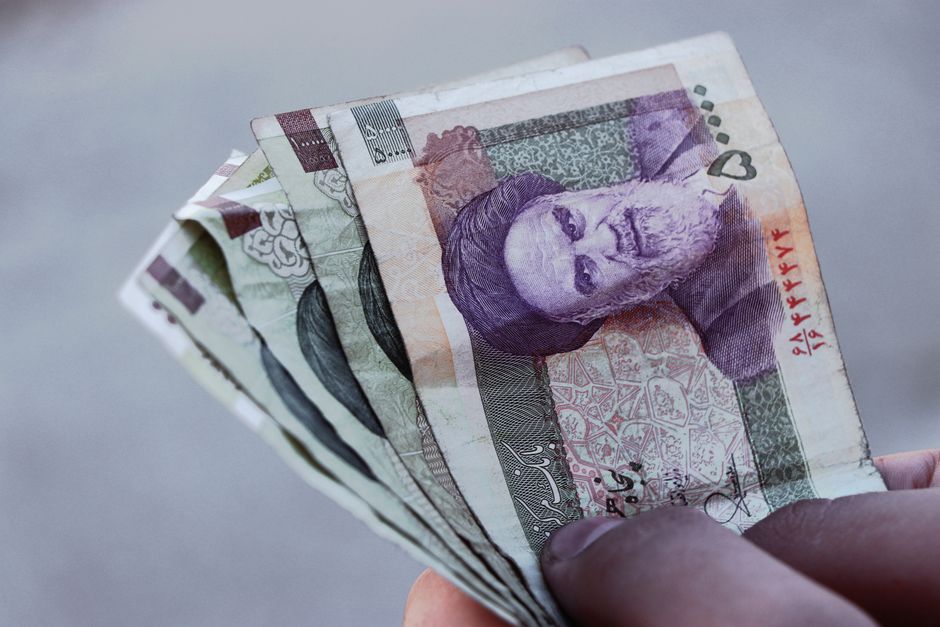
Economic stability remains a paramount concern for the Iranian government as leaders look to address ongoing financial hardships impacting the population. Policymakers are actively evaluating domestic strategies to alleviate financial pressures, recognizing that economic resilience is just as critical as security measures in navigating the current political climate. Inflation, currency depreciation, and mounting international sanctions have placed severe strains on everyday citizens, prompting urgent debates within the parliament over how to restructure subsidies and bolster local production without triggering further social unrest.
Furthermore, officials argue that tackling domestic vulnerabilities is a prerequisite for maintaining long-term geopolitical leverage. When a nation faces external pressures, internal financial security acts as the primary bulwark against foreign coercion. Consequently, state media and government briefings have increasingly tied domestic reforms directly to national security narratives, suggesting that economic fortitude is the ultimate defense against outside interference.
To fully understand the current trajectory, experts must also examine the historical context of regional sanctions and trade restrictions. Over the past decade, successive waves of economic measures have forced Tehran to adapt through alternative supply chains and bilateral trade agreements with neighboring states. While these measures have prevented a total collapse of the financial sector, they have also created structural inefficiencies that disproportionately affect the working class. Independent economists frequently point out that systemic corruption and mismanaged state monopolies exacerbate the pain caused by external blockades, leaving the government with very narrow margins for error as it attempts to stimulate local manufacturing.
Stern Warnings on Regional Security and Iran Economic Issues Attacks
Alongside domestic economic policy discussions, government representatives addressed external security threats. According to the original report, officials emphasized that any upcoming security breaches or military strikes directed at the nation will face a significantly harsher response than previously experienced. Military commanders have reiterated that their defensive posture is fully primed to counter any miscalculation by hostile states in the region.
Defense analysts note that these bellicose statements serve a dual purpose: they act as a deterrent against potential preemptive strikes from adversaries while rallying domestic support around a unified national security banner. By projecting unwavering strength abroad, Tehran hopes to discourage further escalation even as its diplomats explore backchannel negotiations to de-escalate ongoing proxy conflicts. Intelligence assessments shared among Western and regional observers suggest that military readiness has been elevated across multiple branches of the armed forces, including naval units stationed near critical shipping lanes and missile defense batteries positioned strategically along the borders.
Weighing Domestic Needs Against External Pressures
Balancing internal economic reforms with an aggressive foreign policy stance presents a complex challenge for administration officials. While addressing the livelihood of citizens is vital for maintaining social stability, projecting military strength and deterrence remains a core priority in shaping the nation’s foreign affairs strategy. As government agencies monitor how iran economic issues attacks unfold on a weekly basis, long-term planning requires balancing treasury allocations carefully between civilian subsidies and military modernization.
This dual approach reflects a tricky balancing act for Tehran as it tries to fix the local economy and deter foreign attacks. As policymakers draft the upcoming national budget, the fundamental tension between funding military deterrence and subsidizing basic consumer goods will undoubtedly take center stage in parliamentary debates.
Related reading:
- Iran Launches Strikes on U.S. Regional Bases Following Controversial Wedding Bombing Investigation
- Israeli strikes lebanon casualties ministry reports emerge after fresh attacks
- US Iran Conflict Economic Blockade: Washington Denies Active Warfare Amid Tightening Sanctions
