

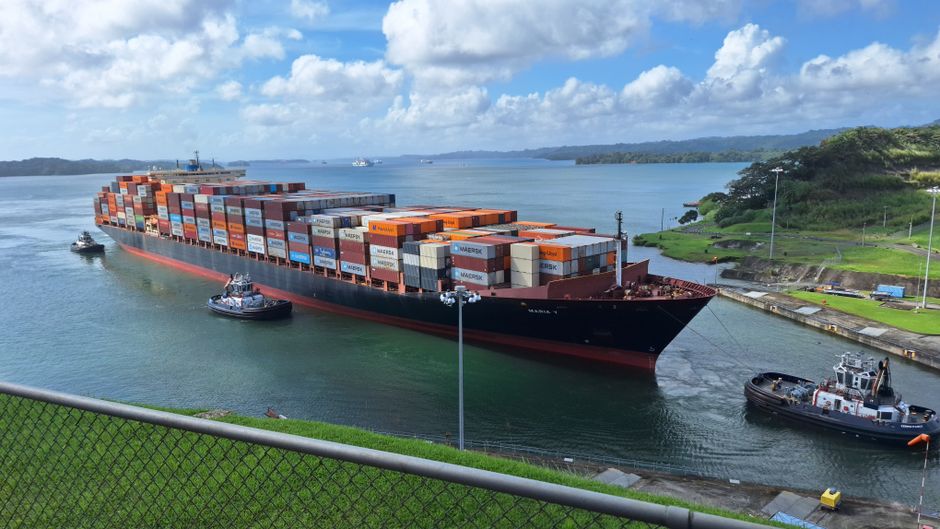
Global shipping routes are facing mounting pressure once again as the vital Panama Canal considers implementing further reductions in vessel transits. Ongoing climate disruptions tied to the El Niño weather pattern have severely depleted the freshwater supplies required to operate the canal’s massive lock system, threatening to disrupt international supply chains and add delays to global trade. As global markets react to the unfolding situation, stakeholders are increasingly forced to re-evaluate logistics strategies because disruptions caused by El Niño-driven reductions in Panama Canal transits have become a recurring threat to predictable ocean freight schedules.
The Impact of El Niño on Water Levels
At the heart of the issue are the crucial freshwater reservoirs that feed the canal system. The natural weather phenomenon has significantly suppressed regional rainfall, causing water levels in these critical storage basins to drop far below normal seasonal averages. Because the canal relies entirely on gravity-fed freshwater from these lakes to lift and lower ships through its locks, any drop in water volume directly restricts how many vessels can safely make the crossing. Meteorological experts note that these prolonged dry spells are directly linked to broader oceanic temperature shifts, making seasonal forecasting more challenging for waterway administrators.
Growing Strain on International Shipping and Draft Limits
As detailed in the original report, maritime authorities are carefully weighing additional limitations to manage the dwindling resource responsibly. Previous dry spells have already forced officials to restrict daily ship passages and lower maximum draft limits for cargo vessels, causing bottlenecks and forcing some operators to seek costly alternative routes or lighten their loads before attempting the transit.
These draft restrictions mean that container ships cannot load to their maximum capacity, substantially increasing the cost per unit transported. Shipping lines have reported multi-day queues at both the Pacific and Atlantic entrances, leading to schedule reliability drops across major trans-Pacific and trans-Atlantic trade lanes. Economic analysts warn that prolonged capacity constraints ultimately translate to higher freight rates and potential inflationary pressures on retail goods globally, as carriers pass on the added expenses of delays and alternative routing.
Broader Economic Fallout and Global Market Vulnerabilities
Beyond immediate shipping delays and surcharges, the restrictions create a ripple effect across international supply chains. Industries relying on just-in-time manufacturing inventories find themselves uniquely vulnerable when maritime pathways through Central America experience bottlenecks. Retailers, electronics manufacturers, and agricultural exporters all face increased uncertainty regarding delivery windows, forcing companies to hold larger safety stocks, which ties up valuable capital. Furthermore, insurance premiums for cargo vessels navigating congested or altered routes have begun to tick upward, compounding the financial burden on smaller logistics providers who lack the leverage of massive multinational shipping fleets. As these commercial pressures accumulate, economists note that structural adaptations will be required industry-wide to build greater resilience against climate-induced supply shocks, particularly when panama canal cut transits el nino scenarios force sudden capacity reductions.
Balancing Water Conservation and Global Trade
Balancing local drinking water needs with global maritime traffic remains a difficult challenge for canal operators. With millions of gallons of freshwater discharged with every ship passage, authorities must continuously adapt slot availability to match fluctuating reservoir levels. As long as the weather patterns continue to restrict rainfall, international logistics planners will need to prepare for ongoing operational adjustments. Innovative water-saving basins and conservation protocols are currently being deployed, but these technological fixes offer only partial relief during severe, multi-year meteorological droughts.
While canal operators work around the clock to optimize water usage and manage the daily queue, the situation underscores the growing vulnerability of critical global infrastructure to changing climate conditions. Stakeholders across the shipping industry will be watching closely to see what further restrictions are announced in the coming weeks as the region navigates these unprecedented environmental hurdles.
Related reading:
- India Rejects Tribunal Decision Water Sharing Amid Fresh Regional Tensions
- US Iran War Hormuz Exclusion Zone: Tehran Weighs Shipping Restrictions
- Germany Faces Gaza Genocide UN Court Scrutiny Over Arms Policy
