

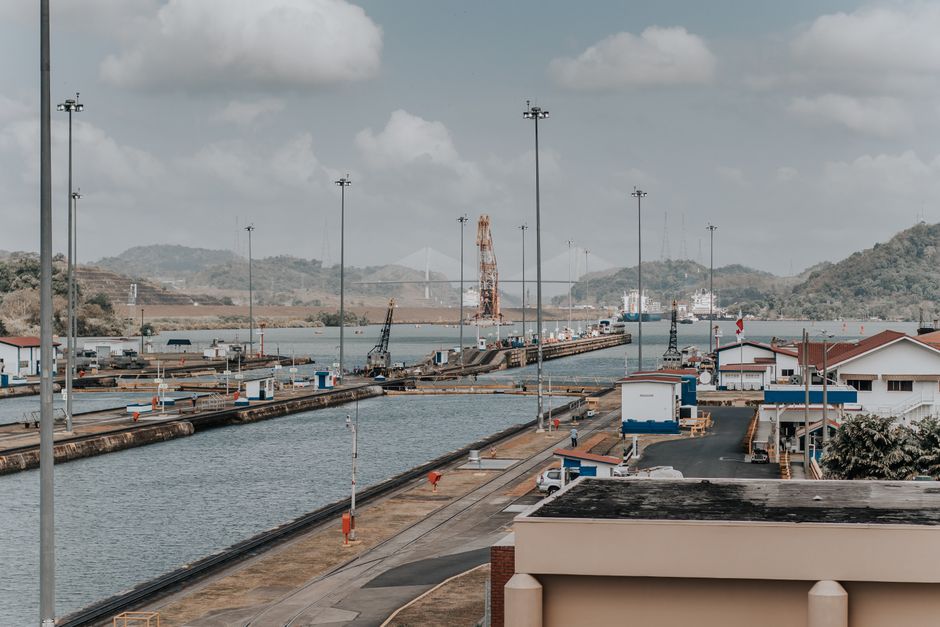
Global maritime trade routes are bracing for further disruption as severe drought conditions continue to grip Central America. Amid these growing operational challenges, upcoming transit reductions are expected to test the resilience of international supply chains. The newly appointed administrator of the vital waterway has warned that the ongoing climate phenomenon could force authorities to implement even stricter limits on the number of ships allowed to pass through the crucial global shortcut.
The Growing Impact of El Niño and Panama Canal El Nino Cuts
The ongoing climate cycle has triggered severe weather anomalies and pushed global temperatures higher. In response to the intensifying crisis, local authorities have officially declared a nationwide emergency. This weather event is shaping up to be exceptionally severe, with scientific indicators suggesting it will outpace any comparable pattern recorded over the past four decades. Experts note that changing precipitation trends across the watershed have severely disrupted normal reservoir replenishment, leaving levels critically low ahead of peak shipping seasons.
Furthermore, meteorologists emphasize that these patterns are not isolated anomalies but part of a broader climatic shift affecting weather systems globally. As temperatures rise in the tropical Pacific, evaporation rates increase significantly, depleting the freshwater reserves that are vital for both local human consumption and the operational integrity of the interoceanic route. Without adequate rainfall to recharge Gatun Lake and its surrounding tributaries, the region remains highly vulnerable to prolonged ecological stress.
Stricter Limits on Maritime Traffic and Economic Fallout
Vessel operators have already faced significant hurdles navigating the canal due to dropping water levels in the artificial lakes that feed the locks. Because each transit requires millions of gallons of freshwater to lift ships across the continental divide, prolonged dry spells directly threaten the operational capacity of the entire passage. Further reductions in daily vessel crossings threaten to create bottlenecks for international supply chains carrying goods between Asia, the Americas, and Europe. Economists warn that prolonged restrictions will drive up freight rates, extend delivery times for consumer electronics and perishable goods, and force cargo liners to absorb higher operational costs by rerouting around alternative capes or utilizing costly land bridges.
Global manufacturers are already scrambling to redesign supply chain timelines, keeping larger buffer stocks in warehouses to hedge against potential shipment delays. This shift from just-in-time manufacturing to just-in-case inventory management introduces additional overhead expenses that will inevitably trickle down to retail consumers. In regions heavily dependent on imported grain, energy, and manufactured goods, the ripple effects of restricted shipping capacity could trigger inflationary spikes and supply shortages.
Historical Context of Waterway Restrictions
This is not the first time environmental pressures have forced dramatic operational changes on the vital waterway. During previous severe weather cycles, authorities had to gradually lower maximum draft allowances for traversing vessels, forcing cargo liners to lighten their loads significantly before attempting the crossing. These historical bottlenecks demonstrated just how fragile global shipping lanes are when faced with localized water shortages. Comparing past drought responses to current strategies highlights how modern administrators must rely on predictive modeling, advanced meteorological forecasting, and stringent water conservation protocols to mitigate losses before complete transit paralysis occurs.
Engineering teams have consistently looked for ways to optimize water usage during transits, implementing water-saving basins and advanced recycling techniques at the newer lock sets. However, even the most sophisticated infrastructure projects have limits when rainfall deficits reach extreme thresholds. The ongoing discussions surrounding panama canal el nino cuts illustrate that technological adaptations must be continuously evaluated against unprecedented environmental realities.
A Balancing Act for the New Administration
Taking the helm during a historic environmental challenge places immense pressure on the canal’s new leadership. Administrators must carefully weigh the economic demands of international shipping companies against the pressing need to preserve water for local communities and ecosystems. Managing this delicate balance will require creative scheduling and potentially long-term adjustments to how the infrastructure adapts to an increasingly volatile climate.
As the dry conditions persist, shipping lines and global markets will need to monitor the situation closely and prepare for alternative logistics routes should restrictions tighten further in the coming months. Stakeholders across the international logistics sector are urging greater cooperation between government entities, environmental agencies, and private shipping firms to ensure long-term sustainability for the corridor.
Related reading:
- Unprecedented Pacific Hurricanes El Nino Hawaii Trio Threatens Islands Amid Strong Cycle
- Germany Faces Gaza Genocide UN Court Scrutiny Over Arms Policy
- Pakistan Issues Alert as Punjab Cities Flood Forecast Rainfall Threatens Low-Lying Zones
