

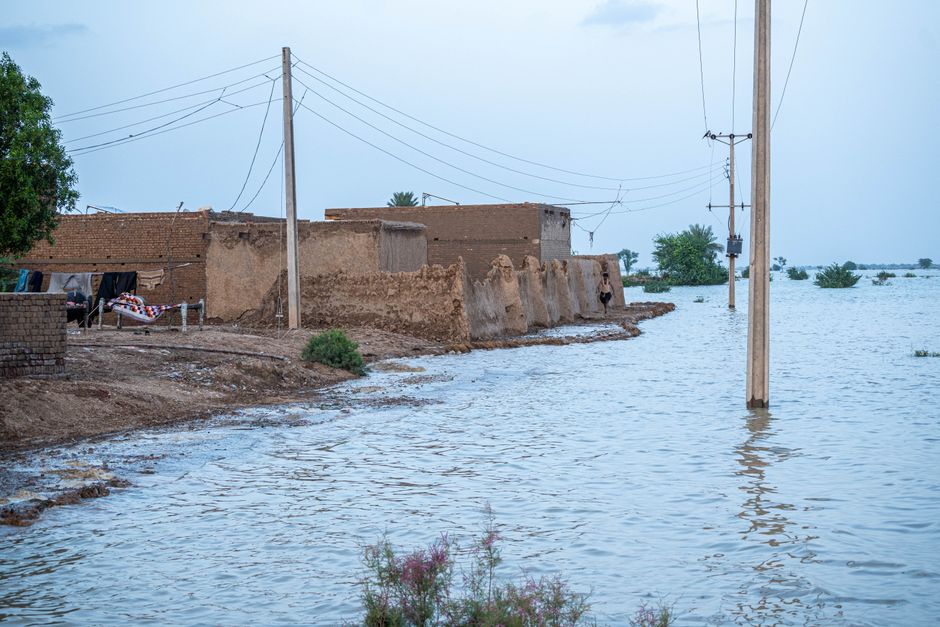
Urban centers across Pakistan are facing severe threats from changing weather patterns, with insights from the newly published pakistan cities climate risk report placing several major metropolitan areas near the bottom of the list for climate resilience. As environmental pressures mount globally, densely populated regions in South Asia are finding themselves increasingly vulnerable to extreme weather events, infrastructure strains, and rising temperatures.
Environmental scientists and urban planning experts have spent years warning that rapid, unplanned development would make South Asian cities primary hotspots for climate disasters. The latest data confirms those fears, showing that the combination of intense heatwaves, unpredictable monsoon rains, and deficient drainage networks has created an existential threat for tens of millions of urban residents. Local governments are now scrambling to draft emergency response blueprints, but funding shortages and bureaucratic delays continue to hamper meaningful progress on the ground.
Where Major Pakistani Cities Stand in the Pakistan Cities Climate Risk Report
According to the original report detailing global vulnerability indices, multiple urban hubs in Pakistan have recorded alarming scores regarding their capacity to absorb and recover from environmental shocks. Hyderabad emerged as the second least resilient city globally in the evaluation. Meanwhile, Multan secured the third position on the vulnerability scale, Lahore was positioned fifth, and the country’s economic capital, Karachi, ranked eighth. These rankings point to a severe urban preparedness crisis across the country.
Each of these cities faces distinct yet overlapping environmental perils. In Karachi, rising sea levels and devastating urban flash floods pose an annual threat to coastal neighborhoods and commercial districts alike. Further inland, Lahore and Multan battle hazardous air quality combined with brutal summer heatwaves that frequently push local healthcare systems to their absolute limits. Civic leaders in these regions argue that national budgets must be reallocated immediately to protect vulnerable populations before the next major weather anomaly strikes.
Regional Context and Global Comparisons
The challenges facing Pakistan’s urban centers are part of a broader regional vulnerability affecting South Asia. In the same global evaluation, the city of Ahmedabad in neighboring India claimed the top spot as the least resilient urban area in the world. The findings highlight shared geographic and infrastructural challenges, where rapid urbanization, historical development patterns, and intensifying monsoons or heatwaves collide with insufficient adaptation measures.
International aid organizations point out that regional cooperation on climate forecasting and water management remains weak, leaving individual nations to fight these battles in isolation. Experts suggest that sharing data on river flows, glacial melt, and pollution patterns could drastically improve early warning systems across both sides of the border, potentially saving countless lives during extreme weather events.
Infrastructure and Adaptation Challenges
The low resilience scores point to deep-seated infrastructural vulnerabilities. Rapid population growth and expanding concrete landscapes have left cities like Karachi and Lahore heavily exposed to urban flooding, severe heat stress, and water scarcity. Without significant, targeted investments in climate-smart infrastructure, drainage systems, and disaster response frameworks, these urban centers risk facing escalating humanitarian and economic consequences as global temperatures continue to rise.
Civil society groups are also pushing for stricter building codes and green spaces to combat the worsening urban heat island effect. As these international findings gain attention, urban planners and policymakers face mounting pressure to accelerate adaptation strategies. Protecting millions of residents living in these high-risk zones will require immediate, coordinated action to fortify city infrastructure against an increasingly unpredictable future.
Related reading:
- UN climate overshoot report 1.5C limit: Outlines Strategy to Reverse Global Warming After Expected Breach
- Pakistan Issues Alert as Punjab Cities Flood Forecast Rainfall Threatens Low-Lying Zones
- Global Climate Threshold Nears As Extreme Weather Threatens Vulnerable Regions With paris agreement 1.5 threshold overshoot
