

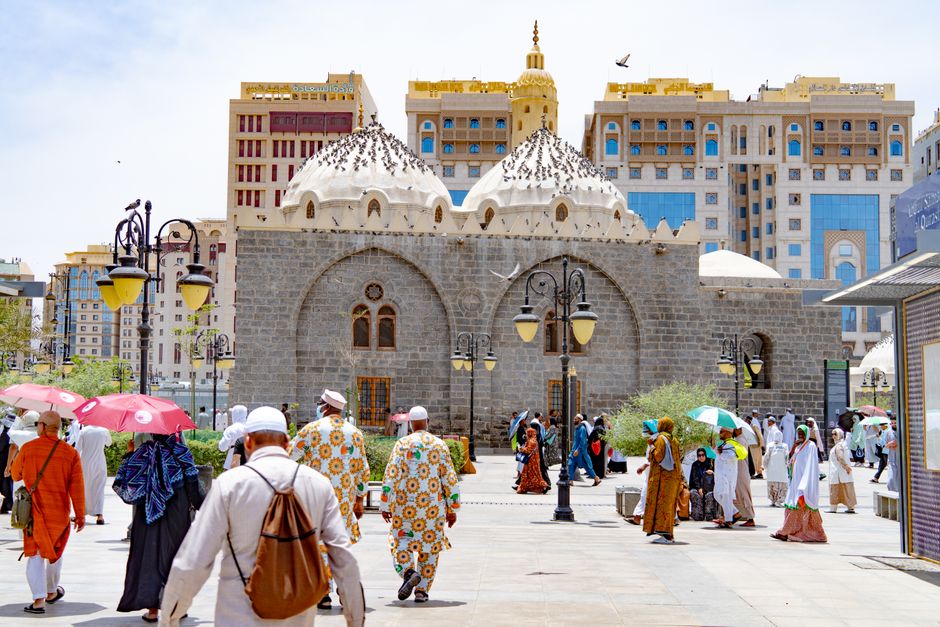
When exploring the fascinating cultural history of saudi arabia, one must examine how the physical landscape has dictated human settlement and societal development for millennia. Across the globe, human settlement patterns, ancient trade routes, and distinct cultural traditions have always been heavily influenced by physical geography, local climates, and the availability of natural resources. In Saudi Arabia, this intricate relationship between the land and its people is deeply etched into the region’s rich archaeological heritage.
Diverse Landscapes and Early Settlement in the Cultural History of Saudi Arabia
Spanning a massive and varied terrain, the landscape of Saudi Arabia encompasses much more than just vast expanses of arid desert. The country features rugged mountain ranges, scattered fertile oases, and expansive coastlines stretching along the Red Sea and the Arabian Gulf. According to the original report, these diverse geographical features dictated where ancient communities chose to establish permanent homes and how societies managed to thrive in challenging environments.
Throughout the centuries, survival in these diverse environments required an intimate understanding of microclimates and seasonal weather patterns. Communities learned to harness scarce rainfall through sophisticated irrigation systems like the ancient falaj networks, transforming arid valleys into productive agricultural hubs. These engineering feats not only sustained growing populations but also laid the permanent economic foundations for flourishing local societies.
The Evolution of Ancient Trade Networks
Geography also played a pivotal role in shaping the economic and social trajectories of the region through commerce. The distinct topography created natural corridors and pathways that facilitated movement across the Arabian Peninsula. Over centuries, these routes evolved into vital economic lifelines, connecting different regions and fostering cultural exchange with neighboring civilizations. Merchants, travelers, and nomadic groups navigated these paths, leaving behind a legacy of shared traditions and influences.
The Incense Route, for instance, traversed the western part of the peninsula, bringing immense wealth and diverse cultural elements from the southern regions up toward the Mediterranean. Towns like Al-Ula and Najran grew into bustling metropolitan centers where ideas, religious beliefs, and artistic styles mingled freely with indigenous traditions, further enriching the societal fabric.
Cultural Identity Rooted in the Terrain
Ultimately, the way people lived, built their dwellings, and expressed their artistic and social identities was a direct response to their immediate surroundings. Communities near coastal areas developed maritime traditions, pearl diving, and seafaring commerce, while those near mountain ranges and oases adapted agricultural and pastoral practices suited to their microclimates. These localized adaptations gradually wove together to form the diverse cultural fabric that defines the region today.
Traditional architecture likewise mirrored environmental realities. Thick mud-brick walls in central Najd kept interiors cool during scorching summer months, while coastal dwellings utilized porous coral stone and open courtyards to capture cooling sea breezes. Every aspect of daily existence, from culinary arts to local folklore, reflects a profound dialogue between human creativity and ecological necessity.
Understanding the interplay between land, climate, and human history provides profound insight into how the heritage of Saudi Arabia was forged. By examining the archaeological record left behind in deserts, mountains, and valleys, modern historians can piece together the remarkable story of adaptability and endurance that defines the peninsula’s past.
Related reading:
- The Rich Tradition and History of Sheikh Zayed Majlis Coffee Gahwa in the UAE
- Lahore SCO tourism and cultural capital: Pakistan’s Historic Heart Crowned for 2026-27
- Houthi strikes Saudi Arabia wounded 73 in Missile and Drone Attacks
