

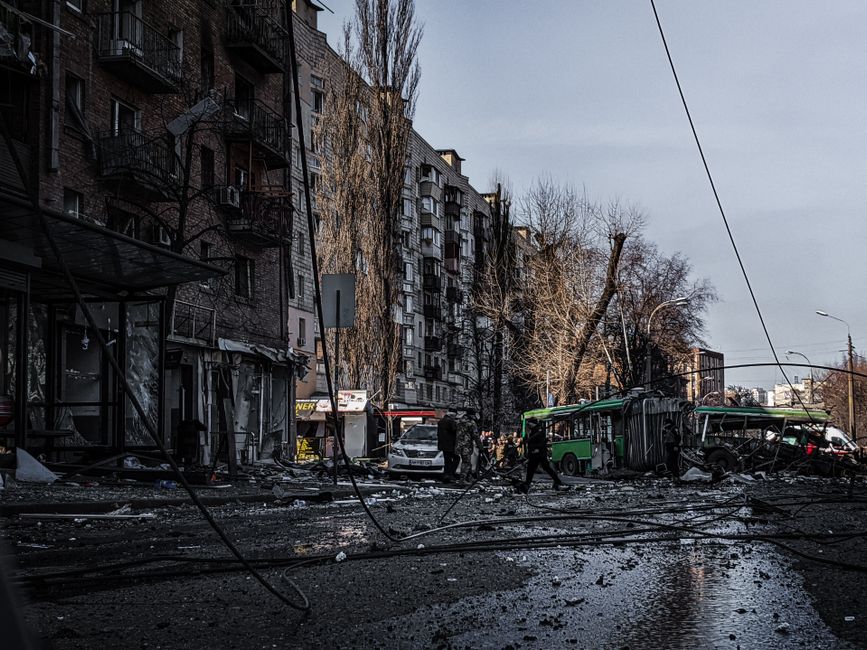
A quarter of a century has passed since the devastating events of 9/11 fundamentally altered the geopolitical landscape, introducing an era defined by permanent security measures and global military intervention. In the wake of the attacks, the United States launched a campaign that set off the global war on terror impact, a far-reaching phenomenon that subsequently reshaped governance, public policy, and military strategies across multiple continents.
The Expansion of State Power and the Erosion of Liberty
In the years following the 2001 directives from Washington, governments around the world adopted a similar posture, framing the elimination of terrorism as their primary objective. Media and political figures have spent decades pushing the narrative that constant threats surround us. This steady drumbeat has repeatedly justified expanding state powers, frequently at the expense of basic civil liberties and fundamental freedoms.
Regional Consequences: The Case of Pakistan
Few regions experienced the direct fallout of these policies quite like Pakistan, which served as a major staging ground for international military efforts in neighboring Afghanistan while simultaneously conducting extensive domestic anti-terror operations. Over the decades, a vast array of new legal instruments was introduced to curb extremist threats. However, critics note that these laws have frequently been utilized to suppress political dissent and civil mobilization, even as localized insurgencies and various forms of violence have proven remarkably resilient. Beyond South Asia, nations across the Middle East and parts of Africa faced similar turmoil, where foreign interventions frequently destabilized local governance, displaced millions of civilians, and left behind power vacuums that fueled decades of ongoing sectarian violence and humanitarian crises.
The Financial Engines of Permanent Conflict
Beneath the rhetoric of national security lies a massive economic ecosystem. Since 2001, Washington has allocated approximately $8 trillion toward various military engagements. A substantial portion of these funds has flowed directly to private defense contractors and deeply integrated state functionaries. Similarly, within Pakistan, the security climate created lucrative new avenues for private contractors and officials alike to generate substantial revenue through military logistics and counterterrorism infrastructure.
The Modern Intersection of State and Big Tech
As the landscape evolves, the mechanisms of control have shifted into the digital realm. Today, the convergence of government agencies and dominant technology corporations forms a powerful coalition without historical precedent. This alliance extends the traditional policing of dissent into automated digital spaces, creating new challenges for privacy, free expression, and global accountability as society navigates this ongoing security paradigm. Furthermore, algorithmic surveillance and data-sharing agreements between intelligence agencies and multinational tech giants have normalized a level of continuous digital monitoring that was unimaginable twenty-five years ago, fundamentally altering the relationship between the citizen and the digital state.
Analyzing the True Global War on Terror Impact
When examining the broader global war on terror impact, observers note that the promises of enduring peace have largely given way to institutionalized militarization. From airport security checkpoints that became permanent fixtures of daily travel to intelligence-sharing frameworks that bypass traditional judicial oversight, the legacy of the past twenty-five years is written into the very architecture of modern governance.
Twenty-five years after the inception of these sweeping military and legislative campaigns, the world remains caught between the promise of absolute security and the reality of perpetual conflict, economic profiteering, and restricted civil freedoms.
Related reading:
- Iceland Whaling Ban Set to Change Global Marine Conservation
- Vladimir Putin BRICS Summit New Delhi: Russian Leader Arrives Amid Global Economic Pressures
- Houthis seize Mocha port city in major escalation of Red Sea conflict
