

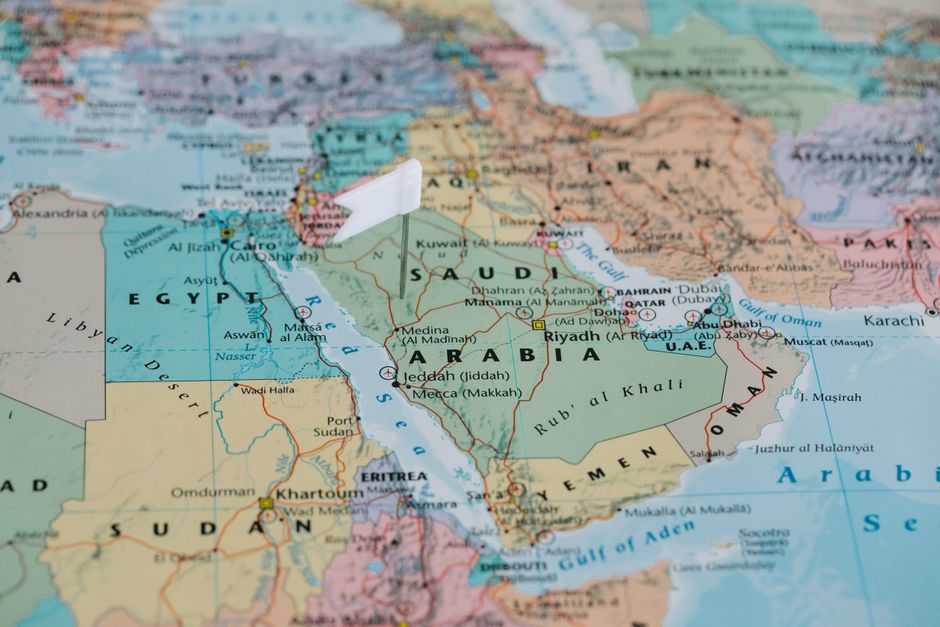
Tehran and Riyadh have resumed high-level diplomatic talks, bringing fresh attention to the ongoing crisis as regional tensions reach a critical juncture. The latest round of Iran Saudi Arabia Yemen talks convened as officials from both nations addressed mounting security concerns across the Middle East, with discussions heavily focused on the worsening conflict and humanitarian fallout in Yemen.
The resumption of bilateral dialogue highlights a complex web of geopolitical interests that have defined the Arabian Peninsula for decades. For years, proxy conflicts and competing regional ambitions have kept the two Islamic powers at loggerheads. However, the sheer economic and humanitarian costs of the protracted war in Yemen have forced a strategic recalculation in both capitals. Observers note that while deep-seated mistrust remains, both Tehran and Riyadh recognize the pressing need to establish direct communication channels to prevent miscalculations from triggering a wider regional war.
Renewed Regional Tensions
The dialogue comes at a pivotal moment for the Arabian Peninsula. As fighting flares up on the ground in Yemen, neighboring powers are feeling the pressure to prevent a wider destabilization of the region. Both governments recognize that ongoing military engagements pose a direct threat to broader geopolitical stability, drawing in international actors and severely disrupting global shipping lanes and energy markets.
Military analysts point out that the situation on the ground remains highly volatile. Despite intermittent ceasefires and diplomatic posturing, frontlines in governorates like Marib and Hodeidah continue to see sporadic clashes. These localized flare-ups serve as a constant reminder of how fragile the current diplomatic opening truly is, underscoring why regional stakeholders are watching the negotiations with cautious optimism.
The Diplomatic Landscape
Engagement between Iran and Saudi Arabia has historically set the tone for regional security dynamics. According to the original report, these high-level discussions highlight a shared acknowledgment that communication lines must remain open, even as opposing interests persist in active conflict zones.
Diplomatic intermediaries, including regional partners such as Oman and Iraq, have played a crucial role in facilitating these backdoor channels. By providing neutral ground for intelligence chiefs and senior diplomats to meet, these third-party states have helped bridge the gap between two adversaries that severed formal diplomatic ties back in 2016. The current talks build upon earlier rapprochement efforts brokered internationally, signaling a maturing approach to regional crisis management.
Behind the Iran Saudi Arabia Yemen Talks
Addressing the root causes of the escalation in Yemen remains a central challenge for diplomatic efforts. Observers are watching closely to see whether these bilateral talks can translate into meaningful de-escalation measures or humanitarian relief for the affected populations caught in the crossfire.
At the heart of the agenda is the future governance of Yemen and the cessation of cross-border attacks that have frequently targeted critical infrastructure in the Kingdom. Humanitarian organizations are pressing both Riyadh and Tehran to leverage their respective influence over local Yemeni factions to secure unhindered access for aid distribution, particularly in areas facing severe food insecurity and medical shortages.
Related reading:
- Xi Jinping visit Egypt Sisi: Chinese President Travels for High-Level Talks
- UN Nuclear Watchdog Iran Referral Escalates Tensions with Security Council
- U.S.-Iran Conflict Enters Seventh Month Amid Escalation Fears: US Iran War Updates

4 comments
[…] Iran Saudi Arabia Yemen Talks Progress as Regional Conflict Escalates […]
[…] Iran Saudi Arabia Yemen Talks Progress as Regional Conflict Escalates […]
[…] Iran Saudi Arabia Yemen Talks Progress as Regional Conflict Escalates […]
[…] Iran Saudi Arabia Yemen Talks Progress as Regional Conflict Escalates […]