

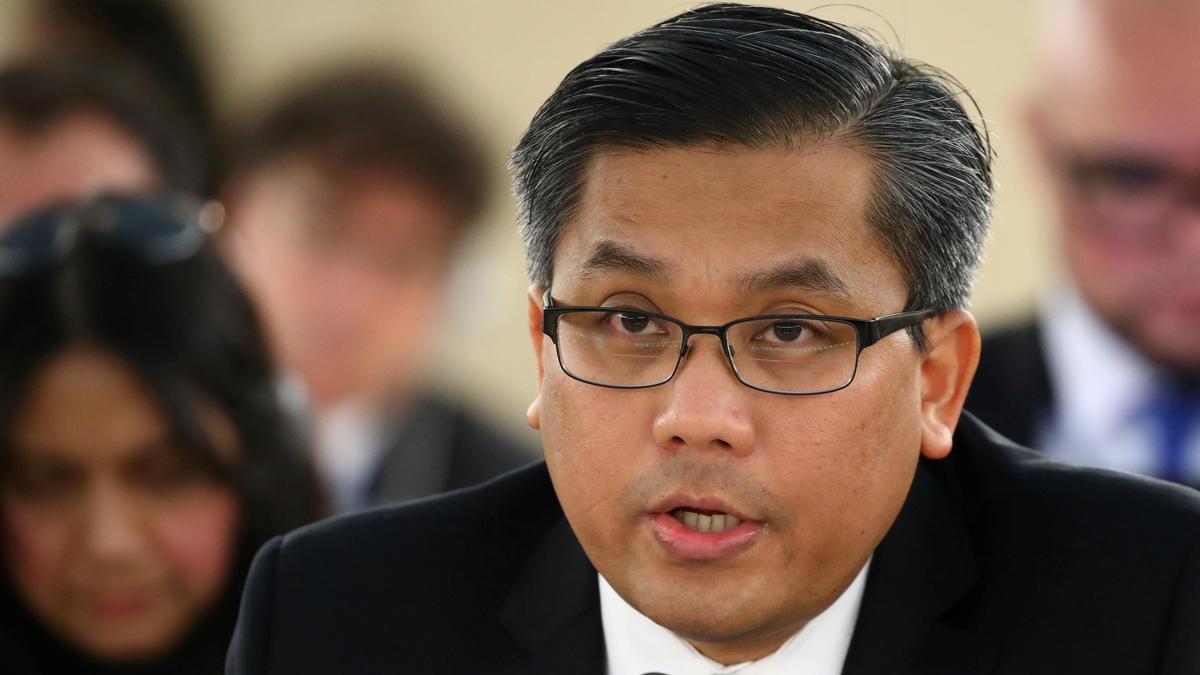
In an escalating diplomatic standoff, the government of Myanmar has officially moved to strip its United Nations representative of his standing, calling for decisive measures to be taken against him. The recent pressure surrounding Myanmar UN envoy Kyaw Moe Tun highlights ongoing tensions surrounding international representation and internal governance as authorities seek to distance themselves entirely from the diplomat’s current role at the global body.
Background of the Dismissal for Myanmar UN envoy Kyaw Moe Tun
According to the original report, state-backed media released a formal announcement detailing the measures taken against Kyaw Moe Tun. Official records indicate that his removal from the civil service dates back several years to late February 2021. The rationale provided by authorities at the time centered on his refusal to comply with directives issued by the administration, a stance that has only hardened as the political landscape inside the country underwent profound shifts following the military takeover.
Observers note that the ongoing dispute reflects broader questions of legitimacy that have dogged the regime on the international stage. While domestic authorities insist that representatives abroad must reflect the current administration’s mandate, international bodies have largely maintained existing accreditation protocols, creating a persistent diplomatic impasse.
The Clash Over UN Representation
This new escalation thrusts long-running institutional battles back into the spotlight. While international organizations often grapple with contested credentials during political upheavals, this formal escalation emphasizes the administration’s persistent refusal to recognize his authority on the global stage. The move underscores a deep rift between domestic leadership and the diplomatic personnel operating within international forums, raising questions about how multilateral institutions manage dual claims to representation during severe domestic crises.
Furthermore, analysts point out that these credentials battles rarely remain confined to procedural committees. They frequently spill over into debates regarding humanitarian aid delivery, recognition of state assets abroad, and the overall posture that regional blocs adopt toward the ruling authorities.
Implications for Global Diplomacy
The push for punitive measures leaves international bodies wrestling with a procedural dilemma over accreditation. Diplomatic observers note that such friction complicates broader international efforts to address crises within the nation. The outcome of these demands could set a notable precedent for how disputed national representatives are handled within major multilateral institutions.
As international organizations navigate these uncharted procedural waters, member states remain deeply divided on the appropriate response. Some nations advocate for strict adherence to established credentials committees, while others argue that political realities on the ground necessitate a pragmatic reassessment of who speaks for member states during times of profound internal conflict.
The standoff involving Kyaw Moe Tun demonstrates the ongoing friction between domestic authorities and international diplomatic channels. SparkNest will continue to monitor updates regarding this developing story and provide in-depth analysis as new diplomatic developments emerge.
Related reading:
- U.S. Ambassador to Israel Demands Tougher Action Against West Bank Violence
- Pakistan first ambassador to Armenia: Islamabad Appoints Historic Envoy
- Netanyahu sue newspaper UAE warning over 7 October claims threatens legal action
