

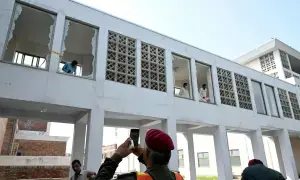
An official investigation into the devastating nursery fire at an Islamabad hospital reveals deep organizational failures. The comprehensive Pims hospital fire investigation report concludes that deep institutional failures ultimately allowed the disaster to occur, pointing to electrical malfunction as the most probable physical trigger for the flames.
The Tragedy at the Mother and Child Hospital
The incident took place on August 26 within the nursery unit of the Pakistan Institute of Medical Sciences (Pims) Mother and Child Hospital. The fast-moving fire resulted in the heartbreaking loss of 14 newborn infants, instantly triggering massive public outrage and intense scrutiny over existing safety protocols across public medical facilities. According to the original report, the resulting pressure from both citizens and officials quickly pushed the government to demand immediate administrative accountability and strict punitive measures.
As families across the country demanded answers, emergency responders faced immense challenges in containing the blaze due to narrow corridors, locked emergency exits, and outdated firefighting equipment within the decades-old medical complex. Healthcare workers heroically attempted to rescue the newborns, but the rapid accumulation of toxic smoke inside the enclosed nursery unit made survival nearly impossible for the vulnerable infants receiving intensive care.
Investigation Findings and Leadership Accountability
Established under the direct orders of Prime Minister Shehbaz Sharif on the very day of the catastrophe, a dedicated committee led by former interior secretary Shahid Khan thoroughly reviewed the circumstances surrounding the event. Their comprehensive 43-page document highlights that while individual culpability varies depending on specific evidence, the senior administration bore primary organizational blame. The panel emphasized that hospital leadership repeatedly ignored prior warnings, established safety hazards, and neglected basic oversight duties required to maintain a secure environment.
Furthermore, the Pims hospital fire investigation report detailed alarming lapses in routine electrical maintenance. Investigators found that sparking wires behind substandard drywall panels had been reported by nursing staff weeks prior to the tragedy, yet administrative requests for repairs were routinely ignored or delayed due to bureaucratic red tape and budget reallocations. This glaring negligence transformed a preventable maintenance issue into a catastrophic loss of human life, exposing widespread administrative apathy within public health institutions.
Path Forward and Proposed Disciplinary Actions
The investigative panel stressed that administrative, contractual, and criminal consequences must be strictly tied to proven omissions and direct causal links. In the wake of these preliminary findings, criminal proceedings and official suspensions have already been directed against several personnel linked to the facility. As authorities push for broader structural reforms, this tragic event serves as a stark reminder of the critical need for uncompromising infrastructure maintenance and robust safety standards in healthcare institutions everywhere.
As communities continue to mourn the young lives lost in Islamabad, the spotlight remains firmly on government and health officials to ensure that systemic vulnerabilities are permanently addressed so that such a preventable disaster never happens again. Independent oversight boards are now being proposed to conduct random safety audits across all major government-run hospitals in the province.
Related reading:
- How the Islamabad Hospital Fire Newborns Tragedy Exposed Systemic Healthcare Vulnerabilities
- Pakistan Prime Minister Promises Strict Accountability After PIMS Hospital Fire
- Uncovering the PIMS fire inquiry report failures behind the nursery disaster
