

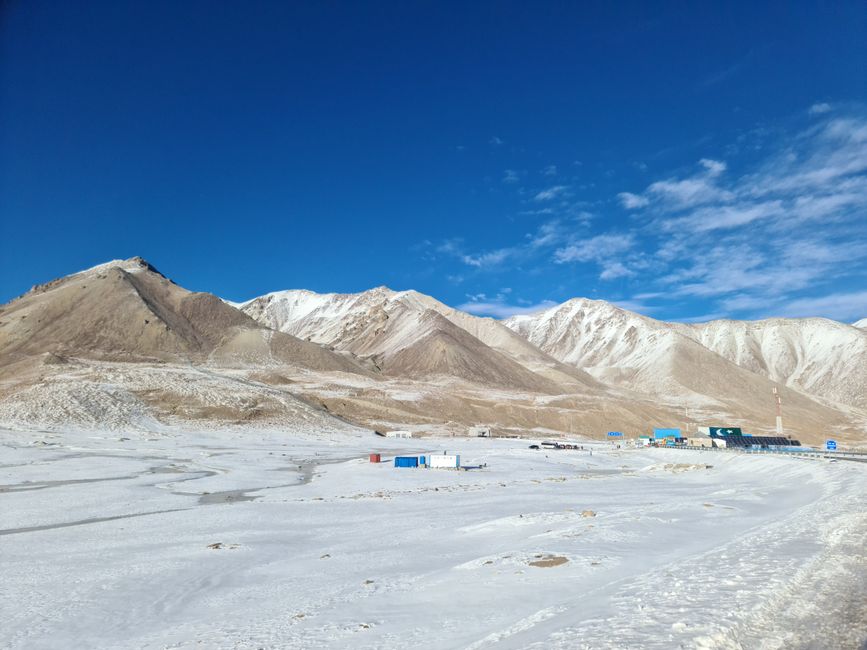
Pakistan and China have officially operationalized a long-anticipated joint mechanism aimed at streamlining administration and security along their shared frontier. Representatives from both nations met in Islamabad this week to launch the pakistan china joint border commission, which officials describe as a major milestone in bilateral relations and a practical step toward improving cross-border trade, connectivity, and communication.
A Decade in the Making: The Pakistan China Joint Border Commission
The newly activated Pakistan-China Boundary Joint Commission traces its origins back to an agreement signed in 2013 during a high-profile diplomatic visit to Islamabad by then-Chinese Premier Li Keqiang. Under Article 45 of that historic pact, the two governments agreed to establish a dedicated oversight committee to ensure the smooth implementation of mutual border management strategies. According to the original report, the long delay before operationalization has finally come to an end with this week’s formal proceedings.
Diplomatic Co-Leadership in Islamabad
The inaugural session took place at the Ministry of Foreign Affairs in the Pakistani capital. The meeting was co-led by senior diplomatic officials from both sides: Bilal Mahmood Chaudhary, who serves as the director general for China at Pakistan’s Foreign Office, and Li Ya, deputy director general of the Department of Boundary and Ocean Affairs at China’s Ministry of Foreign Affairs. Their collaboration highlights the mutual priority both governments place on establishing clear channels of communication at the diplomatic level.
Expanding Trade and Security Frameworks
Beyond basic security, the commission provides a comprehensive institutional framework to address day-to-day administrative challenges along the boundary line. This includes coordinating joint boundary surveys, conducting routine inspections and maintenance of physical border markers, and managing cross-border infrastructure facilities. Officials also expect the mechanism to play a crucial role in swiftly handling any localized incidents that arise near the frontier.
Broadening Economic Ties and Regional Integration
The operationalization of this bilateral body arrives at a critical juncture for both nations as they seek to maximize the economic potential of the China-Pakistan Economic Corridor (CPEC). Improved administrative efficiency at the frontier directly supports the movement of goods, lowers logistics costs, and provides investors with greater predictability. By removing bureaucratic hurdles and enhancing physical infrastructure maintenance, both Islamabad and Beijing are signaling a renewed commitment to seamless regional commerce. Enhanced security coordination also ensures that trade routes remain resilient against disruptions, fostering an environment where small businesses and large enterprises alike can expand their cross-border operations.
Strengthening People-to-People Ties
By establishing clear protocols and cooperative structures, Islamabad and Beijing hope to foster smoother economic exchanges and boost regional commerce. The Foreign Office emphasized that the initiative will lay the groundwork for deeper integration, ultimately facilitating better trade flows and strengthening cultural and people-to-people connectivity between the neighboring nations for years to come.
Related reading:
- China Nepal Border Port Flood Leaves Quiet Ruins in Place of Bustling Trade Hub
- Pakistan Taliban Border Security Talks Stall Over Afghan Safe Havens
- India China Border LAC Talks Explore New Steps to Clarify Perceptions

1 comment
[…] Pakistan and China Launch Pakistan China Joint Border Commission to Manage Shared Frontier […]