

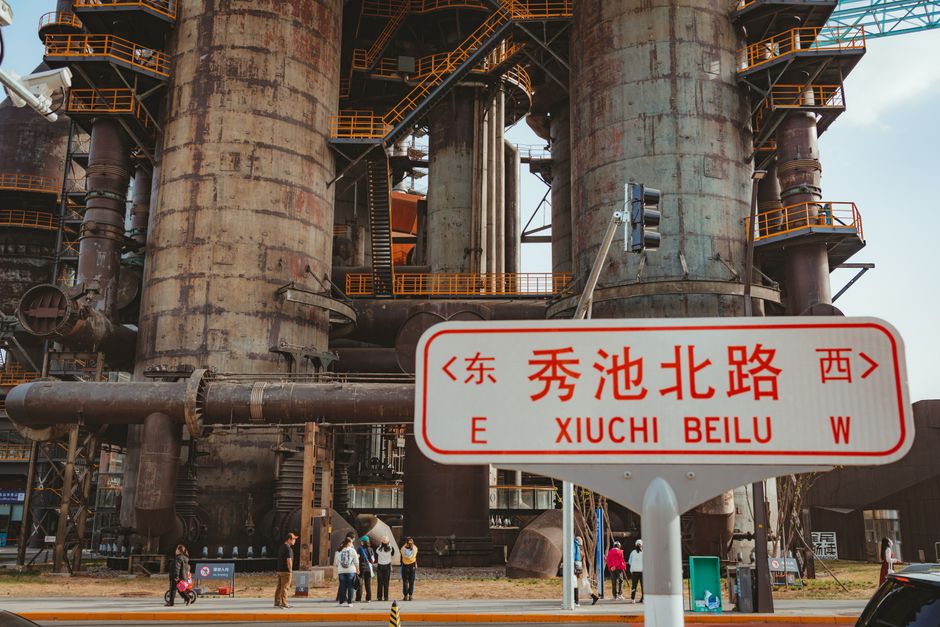
Travel trends are taking a fascinating turn as factories and high-tech production facilities emerge as hot new vacation spots. Rather than retreating to quiet beaches or historical landmarks, growing numbers of visitors are choosing to spend their holidays walking factory floors, marveling at assembly lines, and witnessing large-scale manufacturing firsthand. This growing movement blends leisure with education, offering a unique window into the mechanics of modern production, a phenomenon that defines the rise of industrial tourism in china.
Showcasing Modern Innovation Through Industrial Tourism in China
Visitors are guided through sprawling facilities where they can watch advanced robotics, automated logistics, and heavy machinery in action. According to the original report, these tours are carefully curated to display the sheer scale of national progress, transforming ordinary industrial zones into hubs of public engagement and wonder.
To truly understand this phenomenon, one must look at the specific sites welcoming the public today. For instance, the Haier Interconnected Smart Home factory in Qingdao allows travelers to observe fully automated kitchens and refrigerators being assembled by robotic arms with virtually zero human intervention on the main lines. Similarly, automotive giants like Geely and BYD have opened their massive vehicle production plants, where tourists can witness thousands of electric vehicles moving seamlessly from stamping presses to final quality testing zones in state-of-the-art mega-factories.
Inspiring National Pride
Beyond simple curiosity, these experiences are designed to evoke a strong sense of civic pride. By bringing everyday citizens face-to-face with state-of-the-art engineering feats and home-grown manufacturing triumphs, organizers foster a collective appreciation for national achievement. Walking past miles of humming machinery and precision robotics reminds visitors of the country’s rapid ascent as an economic and technological powerhouse on the global stage.
Other notable destinations include the Wuliangye Liquor Culture Park in Sichuan, which merges ancient brewing traditions with ultra-modern bottling facilities, and the various aerospace science museums attached to rocket launch and manufacturing bases. These locations offer a tangible connection to the nation’s technological milestones, drawing families and school groups by the thousands each month to witness engineering excellence up close.
Shaping Future STEM Careers
Perhaps the most strategic aspect of this phenomenon is its appeal to the younger generation. Educators and industry leaders view factory tours as a powerful recruitment tool, aiming to spark a genuine interest in science, technology, engineering, and math. By presenting modern manufacturing as dynamic, clean, and forward-looking, these programs encourage students to envision stable and rewarding careers in high-tech industries rather than traditional desk jobs.
As factory floors continue to open their doors to the public, industrial tourism is proving to be much more than a passing novelty. By successfully bridging the gap between heavy industry and everyday education, it is reshaping public perceptions of manufacturing and inspiring the next generation of innovators.
Related reading:
- Nepal China Trade Route Floods
- China Imposes Heavy Anti-Dumping Tariffs on Japanese Semiconductor Chemical
- China Imposes Stiff New Deposit Requirements on Japanese Chip Chemicals
