

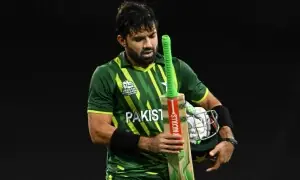
Pakistan cricket star Mohammad Rizwan has hit a legal roadblock in his ongoing battle with federal investigators. The Lahore High Court Chief Justice recently declined to hear a petition filed by the prominent athlete challenging an investigation launched against him by the National Cyber Crime Investigation Agency, an event that has triggered widespread discussions regarding the Mohammad Rizwan NCCIA inquiry LHC proceedings.
The Background of the Mohammad Rizwan NCCIA inquiry LHC
The legal friction began when the NCCIA issued a formal notice to Rizwan on September 8, summoning him regarding an ongoing inquiry. Following the directive, Rizwan and fellow cricketer Imam-ul-Haq appeared before the agency on September 10. However, rather than letting the administrative process run its course, Rizwan decided to challenge the validity of the notice and the overarching inquiry directly in the Lahore High Court, according to the original report. This legal maneuver highlights the growing friction between prominent sports figures and federal cyber crime regulators in Pakistan, setting a notable precedent for how high-profile sports-related investigations are handled under current legal frameworks.
Chief Justice Refuses Immediate Relief
When Rizwan’s legal representative, Qazi Umair Ali, brought the challenge before Lahore High Court Chief Justice Alia Neelum, the court drew a firm boundary regarding judicial intervention in active administrative inquiries. Justice Neelum refused to entertain the petition at this early stage, instructing the defense counsel to first submit a formal written response directly to the investigating agency. “Just go and respond to the notice,” the Chief Justice directed. Legal experts note that this judicial reluctance to intervene prematurely is standard procedure in writ petitions challenging simple investigative notices, emphasizing that individuals must exhaust lower administrative remedies before seeking constitutional protection from higher courts.
Legal Arguments and Online Betting Allegations
The underlying probe stems from allegations concerning online betting and gambling within Pakistan’s cricket circles. In his court filings, Rizwan’s legal team argued that the agency’s notice was vague, arbitrary, and issued entirely without proper legal jurisdiction. The petition further contended that online betting does not constitute a scheduled offense under the Prevention of Electronic Crimes Act of 2016 or its subsequent 2025 amendments. Consequently, the defense characterized the investigation as a “fishing and roving expedition” aimed at damaging the cricketer’s reputation. Critics of the agency’s approach argue that expanding cyber crime mandates into sporting integrity issues requires clearer statutory definitions to prevent overreach, while supporters maintain that robust investigative powers are necessary to protect the sanctity of the sport from illicit financial influences.
Apprehensions of Coercive Measures and Broader Implications
Fearing potential coercive actions—including the threat of arrest or detention—the petition originally urged the high court to set aside the notice, quash the inquiry altogether, and bar authorities from taking any adverse measures against the player. Despite these urgent appeals, the court maintained its stance that the proper administrative protocol must be followed first. Meanwhile, outside the courtroom, Rizwan’s lawyer maintained to members of the media that a formal response had already been submitted to the agency. The ongoing developments surrounding the Mohammad Rizwan NCCIA inquiry LHC case carry significant implications for other athletes facing similar scrutiny, as the final legal interpretation of PECA’s reach over online betting allegations will likely shape how future sports corruption and cyber crime probes are litigated in Pakistani courts.
As this legal saga unfolds, all eyes remain on how the investigating agency will handle the responses provided by the national cricketers, and whether the courts will intervene if the inquiry escalates further. The intersection of sports law, electronic crimes legislation, and fundamental rights guarantees ensures that this case will remain a focal point for legal analysts and cricket fans alike in the months to come.
Related reading:
- Diego Moreira Shines as AC Milan Claims Dramatic Draw Against Lazio
- Lottie Woad Korda Solheim Cup Showdown Set for High-Stakes Clash
- Islamabad High Court Forms Extended Bench to Review IHC petition challenging PTI protest
