

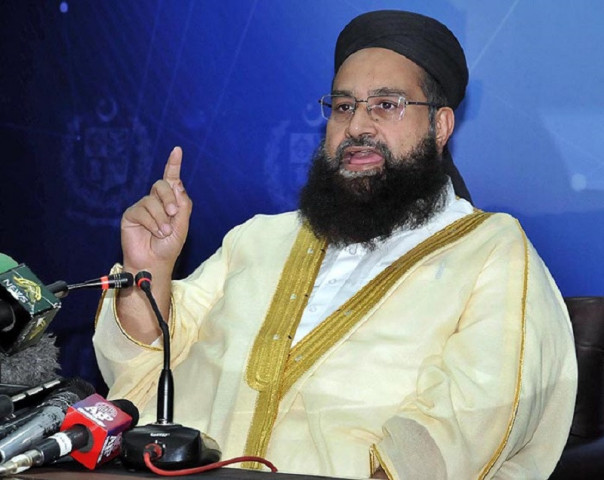
In a notable diplomatic and religious development, the Archbishop of Canterbury has chosen to retract an honor previously presented to Pakistani cleric Tahir Ashrafi. The decision comes amid scrutiny surrounding past remarks made by the religious figure, prompting a reassessment of the accolade by church leadership.
Understanding the Context Behind the Archbishop of Canterbury Tahir Ashrafi Decision
The decision to revoke the honor follows intense public discussion regarding specific statements attributed to Ashrafi over the years. Observers and critics pointed to previous comments concerning sensitive religious and geopolitical topics, which ultimately led to a re-evaluation of the recognition by the Archbishop’s office. When global religious institutions bestow honors, they do so with the expectation that recipients will uphold shared values of peace, reconciliation, and mutual respect. However, modern scrutiny means that archival statements are frequently brought to light, forcing leadership bodies to re-examine past decisions in the cold light of contemporary standards and public expectations.
Furthermore, this unfolding controversy has opened up broader discussions within diplomatic and religious circles regarding the vetting processes utilized by international bodies. Critics argue that insufficient background checks or a lack of thorough contextual analysis regarding a nominee’s historical public record can lead to embarrassing retractions later on. Defenders of such awards, on the other hand, often emphasize the importance of engagement and dialogue, suggesting that bestowing recognition can sometimes encourage positive reform or maintain crucial diplomatic channels with influential regional leaders.
Ashrafi’s Response and Clarifications
In the wake of the announcement, Tahir Ashrafi addressed the controversy directly. According to the original report, the cleric maintained that several of his past remarks had been taken out of context. Specifically, Ashrafi pointed to commentary regarding Osama Bin Laden and delicate blasphemy legislation as instances where his intended meaning was misinterpreted or misconstrued by critics.
In his statements defending his record, the cleric emphasized his long-standing commitment to interfaith harmony, minority rights, and the protection of vulnerable communities within Pakistan. He argued that his public career has consistently involved bridging divides between different religious factions and advocating for peaceful coexistence. Nevertheless, public relations experts note that once a controversy reaches the level of international church leadership, clarifying nuanced political and religious commentary becomes an uphill battle, particularly when dealing with deeply polarizing historical figures and sensitive geopolitical events.
Implications for Interfaith Relations and the Archbishop of Canterbury Tahir Ashrafi Controversy
The withdrawal of the award highlights the delicate balance international religious institutions must maintain when recognizing figures from different regions and cultural backgrounds. Interfaith dialogues often navigate complex political and social landscapes, and decisions of this nature underscore how heavily public scrutiny can influence official church recognitions and partnerships.
Religious diplomacy is inherently fraught with challenges. Leaders must constantly weigh the benefits of honoring regional figures who possess substantial local influence against the risk of alienating global constituencies who prioritize strict adherence to human rights and progressive social standards. The recent actions involving the Archbishop of Canterbury Tahir Ashrafi dynamic serve as a case study in how rapidly public sentiment can shift, compelling traditional institutions to adapt swiftly to protect their moral authority and credibility.
As discussions continue surrounding the retracted honor, the situation serves as a reminder of the far-reaching impact of public statements and the ongoing challenges of cross-cultural communication in global religious leadership. Moving forward, observers expect international faith organizations to implement more stringent vetting procedures and maintain greater transparency regarding their criteria for bestowing accolades, ensuring that future honors withstand rigorous public examination and truly reflect the core values of the institutions granting them.
Related reading:
- Najib Razak House Arrest Malaysia Ruling Granted for Former Prime Minister
- UK Vets Diagnose Bluetongue UK: New Powers Granted to Tackle Outbreaks
- Konain Shah bail KU professor: Prime Suspect Granted Interim Bail
