

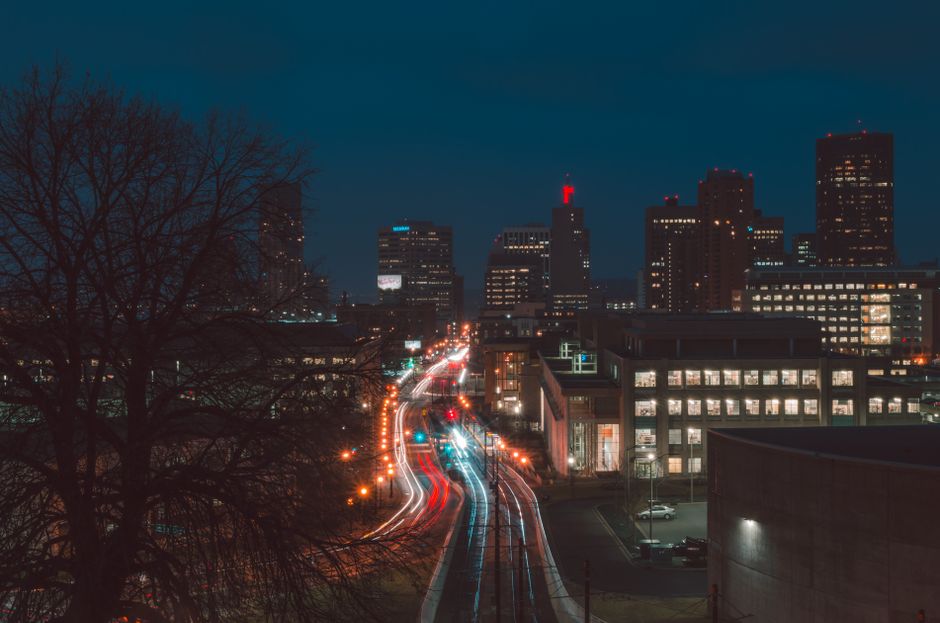
Modern urban planning is shifting from reactive disaster management to proactive resilience. As metropolitan areas face increasingly complex challenges, city planners and emergency responders are turning to advanced technologies to simulate, predict, and mitigate potential disasters before they ever touch the physical world. The rise of AI and digital twins cities has completely transformed how local governments approach emergency preparedness and infrastructural strength.
The Rise of Virtual Metropolises Using AI and Digital Twins Cities
Digital twins—dynamic virtual replicas of physical cities—are driving this technological shift. Powered by vast amounts of data from IoT sensors, traffic feeds, and weather monitoring systems, these digital models mirror every aspect of a functioning municipality. Planners can observe traffic flow, energy consumption, and structural integrity in real time, creating a comprehensive baseline of normal urban activity.
Simulating Crises Before They Happen
Digital twins also allow planners to run advanced crisis simulations. As detailed in the original report, combining these virtual models with artificial intelligence allows municipal authorities to stress-test their infrastructure against severe weather events, major accidents, or rapid public safety threats. Algorithms can calculate the exact impact of a flash flood on transit networks or model evacuation routes under peak emergency conditions.
Real-world implementations of these concepts are already visible in major global hubs. For instance, Singapore has pioneered a comprehensive virtual model of its entire island state, utilizing real-time sensor data to monitor pedestrian traffic, optimize public transport networks, and simulate the spread of environmental hazards. Similarly, municipal leaders in Rotterdam leverage similar platforms to test flood barriers and optimize drainage systems against rising sea levels, providing a tangible blueprint for coastal resilience worldwide.
Empowering Decision-Makers with AI Insights
Artificial intelligence processes the massive influx of simulation data at speeds no human team could match. By identifying hidden vulnerabilities in urban design, AI helps municipal leaders allocate resources more effectively and reinforce weak points in critical infrastructure. Whether upgrading drainage systems or optimizing emergency response times, decision-makers are equipped with predictive insights that save lives and reduce property damage.
In addition to weather-related challenges, these predictive models assist security teams and emergency dispatchers during large public gatherings and transit disruptions. By running hundreds of hypothetical scenarios every hour, computational systems help dispatchers reroute ambulances, police cruisers, and fire engines autonomously, ensuring minimal disruption during critical incidents.
Building Resilient Communities for the Future
Ultimately, the integration of artificial intelligence and digital twins represents a fundamental evolution in how we inhabit modern cities. By leveraging these advanced visualization and predictive tools, urban centers are better positioned to weather unforeseen challenges and build a safer, more resilient tomorrow.
Related reading:
- Trump new AI adviser: Donald Trump Announces Plans to Appoint a New Artificial Intelligence Adviser
- Abu Dhabi AI Executive Council Integrates Artificial Intelligence for the First Time
- UAE teachers AI schoolwork: How Educators Tackle Artificial Intelligence

1 comment
[…] How AI and Digital Twins Cities Are Revolutionizing Urban Crisis Management […]