

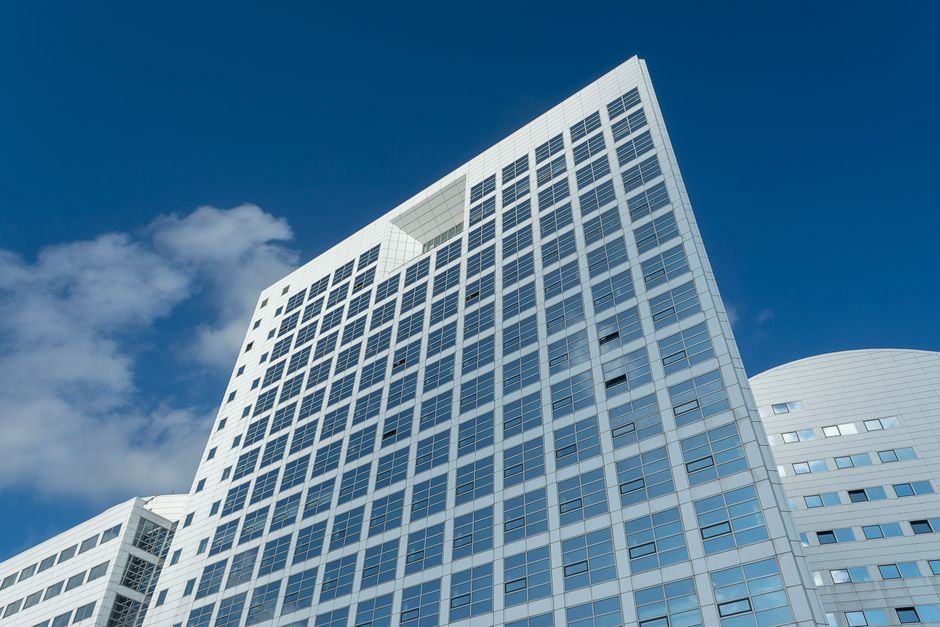
The United States government is reportedly preparing stringent financial and travel measures against International Criminal Court officials. The friction stems from the court’s ongoing legal actions involving American military personnel and high-ranking foreign officials, creating a tense atmosphere in international diplomacy.
Understanding Why Trump Sanctions International Criminal Court Officials
According to the original report, Washington officials are demanding a complete reversal of several controversial legal measures. Chief among these demands is the dismissal of active arrest warrants targeting Israeli leadership. Additionally, the U.S. administration wants the tribunal to officially drop historical investigations into the conduct of American troops who served in Afghanistan. These demands reflect a broader, long-standing skepticism from Washington regarding the court’s authority over non-party states, setting the stage for what many analysts predict will be a profound institutional crisis for the global judicial body.
Furthermore, policy experts note that these targeted measures are designed to signal a zero-tolerance approach toward judicial bodies that attempt to exert jurisdiction over nations that have not ratified the Rome Statute. This policy shift is not merely symbolic; it represents a tangible enforcement mechanism backed by executive power. As discussions intensify behind closed doors, lawmakers and diplomats are evaluating the long-term viability of maintaining cooperative relationships with a tribunal that actively pursues cases against citizens of non-member states.
A History of Tensions with The Hague
This is not the first time Washington and the global tribunal have clashed. The United States has historically maintained a complex relationship with the court, notably declining to ratify the Rome Statute that established it back in 2002. Past U.S. administrations have similarly expressed deep skepticism over the court’s jurisdiction regarding non-member nations and military personnel acting in sovereign capacities. Over the decades, this friction has occasionally boiled over into legislative threats, but the current escalation represents a significant hardening of American policy.
Historically, the American Servicemembers’ Protection Act of 2002—often informally dubbed the “Hague Invasion Act”—already authorized all means necessary to free U.S. or allied personnel detained or imprisoned by the tribunal. However, the latest wave of punitive measures goes significantly further by directly targeting the operational capabilities, financial assets, and personal mobility of prosecutors, judges, and administrative staff working within The Hague. Analysts suggest that this escalation could fundamentally alter how international organizations operate under the threat of unilateral sanctions from powerful member states.
Potential Global and Diplomatic Fallout
Implementing financial and travel restrictions against an international judicial body will likely trigger a major diplomatic backlash. Observers note that such measures could further strain diplomatic ties between the U.S. and various international allies who staunchly support the court’s mission to prosecute war crimes, crimes against humanity, and genocide.
Legal experts are closely monitoring how the tribunal will respond to this mounting pressure from Washington. Many fear that retaliatory or defensive postures from either side could freeze critical cooperation on other international justice matters, including ongoing investigations in Ukraine and various African nations where the ICC plays a stabilizing role in combating impunity. As preparations for the penalties continue behind closed doors, the international community waits to see how the impending clash will reshape global accountability frameworks and diplomatic relations in the coming months. The broader implications extend to international law enforcement, diplomatic immunity, and the future enforcement of global humanitarian standards.
Related reading:
- Trump signs Russia sanctions bill to authorize heavy tariffs on energy importers
- Former Philippine Leader Duterte Faces International Criminal Court: duterte icc appearance trial date Set
- Duterte ICC first appearance: Former Philippine President Appears Before the International Criminal Court
