

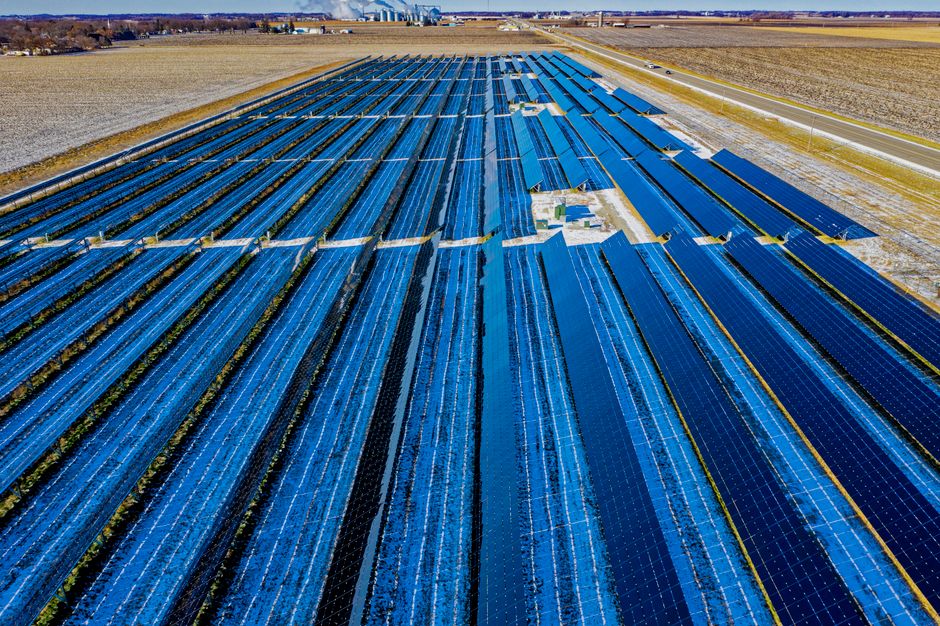
Global solar markets face unexpected disruptions as extreme weather patterns alter worldwide sunlight access, presenting a formidable test for extreme weather solar power markets everywhere. While some regions are enjoying a significant surplus of solar radiance, others are grappling with persistent gloom that severely impacts daily power output. As climate volatility accelerates, energy economists and grid operators are being forced to re-examine the foundational assumptions of modern photovoltaic infrastructure.
A Divided Sun: Winners and Losers in Europe and Asia
The geographic divide in sunshine levels has become particularly pronounced over the summer months. According to the original report detailing these meteorological shifts, parts of Western Europe and Southeast Asia recorded well-above-average sunshine durations. For solar operators in these zones, the extra rays translated into higher-than-projected energy generation. However, the exact opposite unfolded elsewhere on the map. Eastern India, for instance, saw heavily muted sunlight totals, forcing energy planners to adapt to a shortfall in expected renewable capacity.
This geographic split creates complex financial challenges for utility providers. When generation exceeds baseline forecasts in surplus zones, wholesale electricity prices can experience sudden downward pressure, occasionally resulting in negative pricing events that cut into operator revenues. Conversely, deficit regions must ramp up secondary generation sources—often relying on fossil fuel peaker plants—to compensate for the sudden loss of expected photovoltaic output, driving up immediate carbon footprints and operational costs.
Furthermore, the long-term capital expenditure cycles for regional transmission organizations are being upended. When solar yield deviates drastically from historical meteorological baselines, utilities find it difficult to optimize debt servicing schedules tied to projected cash flows. This mismatch between modeled yields and actual meteorological performance has led regional regulators to encourage more conservative baseline assessments during project appraisal stages.
The U.S. Midwest Faces Unexpected Cloud Cover
The fluctuations are not limited to the Eastern Hemisphere. In North America, the U.S. Midwest experienced a notable dip in solar radiation levels due to persistent storm tracks and heavy cloud cover throughout the season. These regional anomalies highlight a growing vulnerability in modern energy grids: reliance on renewable resources makes power systems increasingly sensitive to localized meteorological quirks. When regional weather systems stall or shift, the financial and operational models built on historical climate averages are put to the test.
Insurance and risk management firms are closely monitoring these developments. Property and casualty underwriters focusing on commercial renewable installations are beginning to re-evaluate risk models for solar farms located in storm-prone corridors. The combination of physical damage risks from severe convective storms and the overarching threat of chronic generation shortfalls is driving a transformation in how asset owners secure project financing and revenue insurance.
Compounding these operational headaches, supply chain constraints for replacement hardware can exacerbate regional downturns. If a prolonged stretch of heavy cloud cover coincides with inverter or panel failures, operators face a compounded deficit. Maintenance logistics, already stretched thin by remote facility locations, must navigate unpredictable weather windows to perform crucial repairs.
Navigating Volatility in Extreme Weather Solar Power Markets
As extreme weather events become more frequent, energy stakeholders are forced to rethink how they manage power distribution and storage. Traditional forecasting models are struggling to keep pace with rapid atmospheric changes, making real-time grid management more critical than ever. Utilities and independent power producers are now exploring advanced forecasting tools, better battery storage integrations, and diversified energy mixes to cushion the blow when regional sunshine falls short of expectations.
Furthermore, technology providers are racing to deploy artificial intelligence and machine learning algorithms capable of processing satellite data and localized atmospheric sensor inputs with higher fidelity. These next-generation predictive tools allow grid operators to anticipate cloud cover shifts hours or even days in advance, enabling smoother load balancing across interconnected transmission lines and minimizing unexpected price volatility in regional electricity markets.
Ultimately, the long-term resilience of these systems will depend on cross-border grid interconnections and flexible demand-response programs. By allowing surplus energy to flow freely from high-sunlight corridors to regions plagued by persistent atmospheric gloom, the global energy architecture can better absorb regional meteorological shocks and ensure a stable, reliable transition to a low-carbon future.
Related reading:
- UAE National Products Global Markets: Expanding Horizons for Local Manufacturing
- What is the Yen Carry Trade and How Does It Move Global Markets?
- Global Markets Shake as Iran Threatens US Warships, Oil Prices Surge
