

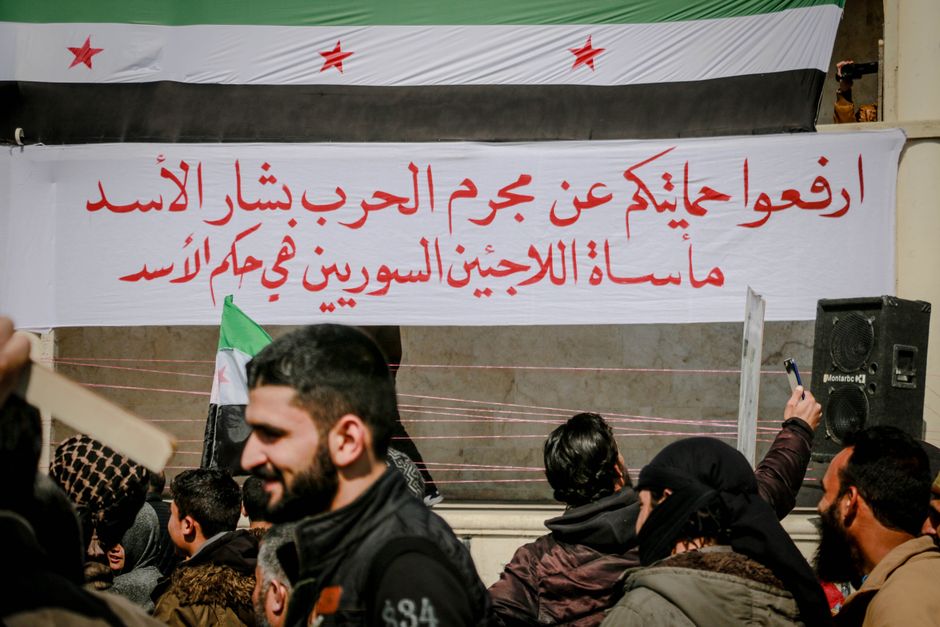
Syria faces a massive legal challenge after officially dissolving the controversial Assad-era Anti-Terrorism Court. Once the syria anti terrorism court abolished, the decision left behind a legacy of more than 90,000 cases that must now be untangled, setting the stage for one of the most complex transitional justice efforts the nation has faced in decades.
Unraveling Decades of Confiscations and Restrictions
During its operational years, the defunct court issued tens of thousands of rulings that deeply impacted the lives of ordinary citizens. The consequences of these decisions stretched far beyond initial sentencing, resulting in widespread property seizures, restrictive legal statuses, and heavy administrative burdens embedded in official state records. Reversing this immense web of punitive actions requires a systematic approach to restore what was wrongfully taken and clear tarnished histories.
Historically, this notorious judicial body functioned as an instrument of political repression rather than a conventional legal institution. Operating under broad, vaguely defined mandates, it bypassed standard judicial safeguards, handing down severe sentences to political dissidents, journalists, and peaceful protesters alike. The sheer volume of verdicts handed down over the years created an institutionalized system of dispossession, where properties were routinely confiscated without due process and families were left socially and economically marginalized.
New Judicial Mechanisms for Restitution
The legislation responsible for dismantling the institution goes far beyond a simple symbolic closure. According to the original report, the new law establishes specialized judicial committees explicitly tasked with managing the fallout of the court’s past verdicts. These dedicated bodies are designed to review prior cases and provide a structured pathway for addressing grievances, property disputes, and systemic legal restrictions.
Restoring property rights alone presents an unprecedented logistical hurdle. Many seized assets have changed hands multiple times, either sold to third parties or repurposed by state entities. Untangling these competing claims will require transparent land registries, independent arbiters, and robust mechanisms to ensure that original owners or their lawful heirs receive fair compensation or restitution without triggering new waves of displacement or social conflict.
The Road Ahead for Legal Experts
While the creation of specialized committees marks a critical step forward, legal professionals emphasize that the true test lies in the execution. The overall success and credibility of this restorative process will heavily depend on how efficiently the newly formed bodies can process claims, verify records, and deliver tangible justice to affected individuals without getting bogged down by bureaucratic delays.
Furthermore, domestic legal experts stress the necessity of transparency and public accountability throughout the proceedings. Without open channels of communication and robust oversight, the transition risk reproducing the very lack of trust that defined the previous era. Rebuilding faith in the judiciary requires active engagement with civil society organizations and legal associations that have documented human rights abuses for years.
International Reactions and Diplomatic Implications
Globally, foreign governments and international human rights organizations have welcomed the historic move, viewing it as an essential prerequisite for any broader national reconciliation process. Western diplomats and legal watchdogs have long pointed to the tribunal as a core symbol of systemic injustice under the former regime. Consequently, foreign aid and diplomatic normalization efforts are increasingly tied to how transparently and effectively Damascus handles the immense backlog of grievances.
At the same time, regional neighbors and international legal bodies are offering technical assistance to help local authorities manage the complex database of contested verdicts. Experts note that successful transitional justice in this context could serve as a vital blueprint for reforming other fractured institutions across the country, potentially unlocking broader support for long-term stabilization and reconstruction initiatives.
As Syria takes these vital first steps toward legal rehabilitation, the international community and domestic observers alike are watching closely. The journey to restore rights and rebuild institutional trust will undoubtedly require sustained effort, but the historic dismantling of the tribunal represents a definitive turning point for the nation’s judicial future.
Related reading:
- Massive Rescue Operation Underway After Indonesian passenger ship capsizes
- Afghan woman removed from US terror court in Landmark Legal Proceeding
- Karachi factory fire Landhi: Massive blaze contained after sparking collapse
