

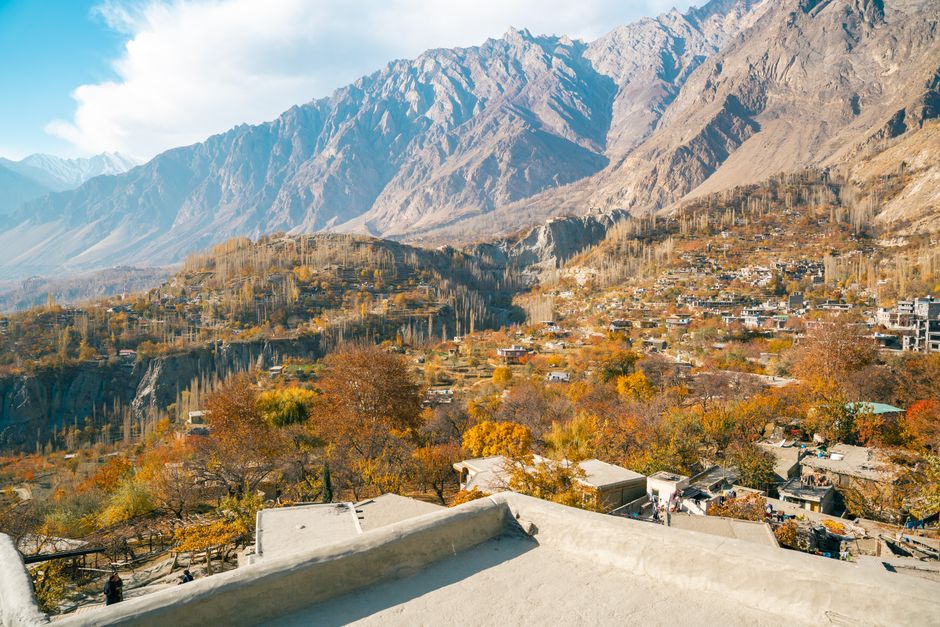
Pakistan is currently evaluating a proposal to reintroduce a chinese visa on arrival gilgit baltistan framework for travelers entering through the Khunjerab Pass. The move aims to boost regional tourism by drawing more visitors to northern hotspots like Hunza and Nagar.
High-Level Discussions at the SIFC on Chinese Visa on Arrival Gilgit Baltistan
The concept was thoroughly reviewed during a dedicated session held at the Special Investment Facilitation Council Secretariat inside the Prime Minister’s Office in Islamabad. The meeting brought together a wide array of stakeholders, including representatives from local tourism and home departments, federal ministries, trade associations, and private tourism operators, all aiming to streamline border entry for travelers.
Historically, cross-border movement via the Karakoram Highway has served as a vital trade and cultural artery between Pakistan and China. In recent years, infrastructure upgrades under the China-Pakistan Economic Corridor (CPEC) have significantly improved road conditions, making the rugged terrain much more accessible. However, tourism stakeholders have long argued that strict administrative hurdles and complex visa procedures have prevented the region from realizing its full economic potential compared to other global mountain destinations.
Balancing Tourism Growth and National Security
As the original report outlines, the initiative requires careful navigation of existing security frameworks. While the foreign affairs ministry raised no fundamental objections subject to proper background checks, the interior ministry pointed out that nationwide visa-on-arrival suspensions were enacted following high-level security reviews. Consequently, any specific exception carved out for Chinese nationals will require clearance from top government authorities.
Security officials emphasize that any new border policy must maintain robust screening protocols. Regional analysts note that striking a balance between frictionless travel and rigorous border security remains the primary challenge for federal agencies looking to operationalize the policy safely.
Economic Potential and Streamlined Clearance
Local trade groups back the policy, saying an influx of travelers will create jobs and boost foreign exchange. To support this vision alongside the visa discussions, officials have also proposed establishing a dedicated one-window NOC portal at the Sost border crossing to simplify clearance procedures for incoming guests.
Regional tour operators have expressed optimism that easing entry restrictions will revitalize hospitality businesses that faced severe downturns during broader regional shifts. “If implemented with proper coordination, this policy could transform our seasonal economy into a year-round engine of growth,” shared Raja Nasir, a prominent hotelier based in Gilgit. To support this influx, provincial authorities are also reviewing plans to upgrade local telecommunications, waste management, and emergency medical services along the primary tourism corridors.
Ultimately, while the potential pilot program has generated considerable enthusiasm among tourism stakeholders and regional businesses, its official rollout remains dependent on final approval from high-level decision-makers.
Related reading:
- Pakistan Economic Policy Follow Through Lacks Crucial Execution
- Pakistan Export Tax Relief: Government Considers Super Tax Cuts to Boost National Growth
- Middle East Tourism Spending 2030: Projections Reach $408 Billion

2 comments
[…] Pakistan Weighs Chinese Visa on Arrival Gilgit Baltistan to Boost Regional Tourism […]
[…] Pakistan Weighs Chinese Visa on Arrival Gilgit Baltistan to Boost Regional Tourism […]