

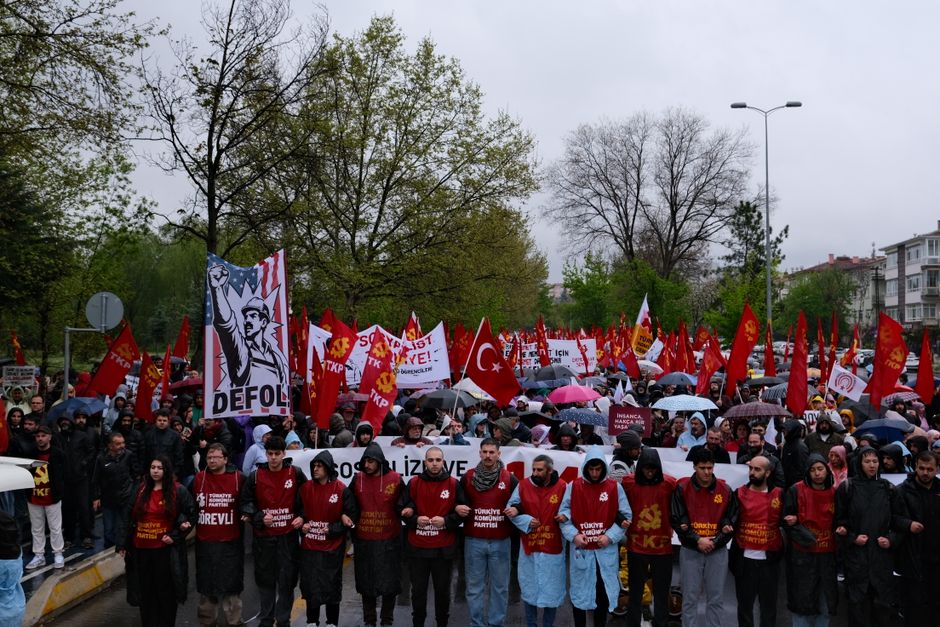
A local advocate has formally moved the court as a PTI protest lawyer challenges M-1 motorway closure, arguing that sealing off vital national transit routes causes unwarranted distress and economic paralysis for ordinary citizens. Recent political demonstrations have brought severe blockades to major travel corridors, triggering urgent legal pushback from legal professionals and commuters trying to navigate the heavily impacted regions.
PTI Protest Lawyer Challenges M-1 Closure in Court
In response to the sweeping blockades put in place during the ongoing demonstrations, the petition argues that sealing off major transit routes creates an undue burden on the general public and disrupts essential daily functions that cannot simply be paused for political events. According to the original report, the formal legal filing highlights that thousands of daily commuters, commercial vehicles, and travelers find themselves stranded for hours without access to food, water, or basic sanitation facilities due to sudden and unannounced highway blockades.
Legal representatives driving this petition emphasize that while political parties possess the democratic right to assemble and register their grievances, these demonstrations should not infringe upon the fundamental liberties of everyday citizens. The blockade of the Peshawar-Islamabad Motorway, commonly known as the M-1, isolates Khyber Pakhtunkhwa from the federal capital, cutting off vital supply chains, trade routes, and commuter traffic entirely.
Essential Services and Vulnerable Travelers Left Stranded
The core argument of the legal challenge centers on the humanitarian impact of shutting down a primary highway. The petitioner stressed that critical groups—including medical patients needing urgent care, individuals attending funerals, witnesses, and active legal counsel—should never be barred from reaching their destinations. Emergency services striving to respond to crisis situations are similarly hindered when major arteries are blocked off entirely.
Furthermore, ambulance services transporting critical care patients between major hospitals in Peshawar and Islamabad have reported facing severe delays. Doctors and medical staff attempting to report for duty have also been turned away at various barricades, severely compromising healthcare delivery during already tense periods of civil unrest. The petition calls for the establishment of dedicated, unblockable humanitarian corridors to ensure that emergency transit remains operational under all circumstances.
Balancing Security Measures with Public Mobility
Authorities frequently utilize road closures and blockades to maintain order and prevent potential clashes during high-tension political protests. However, this legal challenge highlights the growing friction between state-imposed security protocols and the civilian need for uninterrupted transit. Legal experts are closely watching how the courts will weigh public safety requirements against the constitutional rights of citizens to move freely across the region.
Law enforcement agencies often argue that total blockades are necessary preemptive measures designed to prevent violent escalations, protect public property, and manage large crowds effectively. Critics and legal minds counter that blanket closures violate constitutional guarantees of freedom of movement under Article 15 of the Constitution of Pakistan. They contend that the administration must adopt targeted crowd control strategies rather than paralyzing entire highway systems that serve millions of citizens.
As this case moves through the legal system, it underscores the broader challenges faced by urban centers and transit authorities whenever large-scale political demonstrations take over the streets. Ensuring that vital humanitarian corridors remain open remains a central concern for affected communities, setting a crucial legal precedent for how future political agitation and state security will intersect on Pakistan’s major motorways.
Related reading:
- Pakistan Tehreek-e-Insaf Faces Internal Strain as Leadership Challenge Lodged Against Chief Minister Afridi
- PTI postpones Islamabad march: Pakistan Tehreek-e-Insaf Delays Protest Demonstration to October
- Islamabad Section 144 PTI Protest: Strict Ban Enforced Ahead of Demonstrations
